
Types of Forex Orders Explained | Complete Guide to Forex Order Execution & Trading Strategies
Types of Forex Orders: Complete Professional Trading Guide
Understanding types of forex orders is one of the most important foundations in forex trading. Every trade you place in the market is executed through a specific order type, and the success of your strategy often depends on choosing the correct one.
Professional traders do not randomly enter the market. Instead, they use structured order systems to control entry, exit, and risk. In this guide, we will break down everything in a practical and experience-based manner so you can apply it directly in real trading conditions.
Understanding Forex Orders in Real Trading
A forex order is essentially a trading instruction sent to your broker to execute a buy or sell action in the currency market. However, what makes trading powerful is not just placing orders, but selecting the correct execution method.
The forex types of orders determine how your trade interacts with market price movement. Some orders execute instantly, while others wait for a specific price condition to be met.
In real trading environments, order selection can influence:
- Entry precision
- Risk exposure
- Profit potential
- Emotional control
That is why experienced traders treat order execution as a strategic decision, not a technical formality.
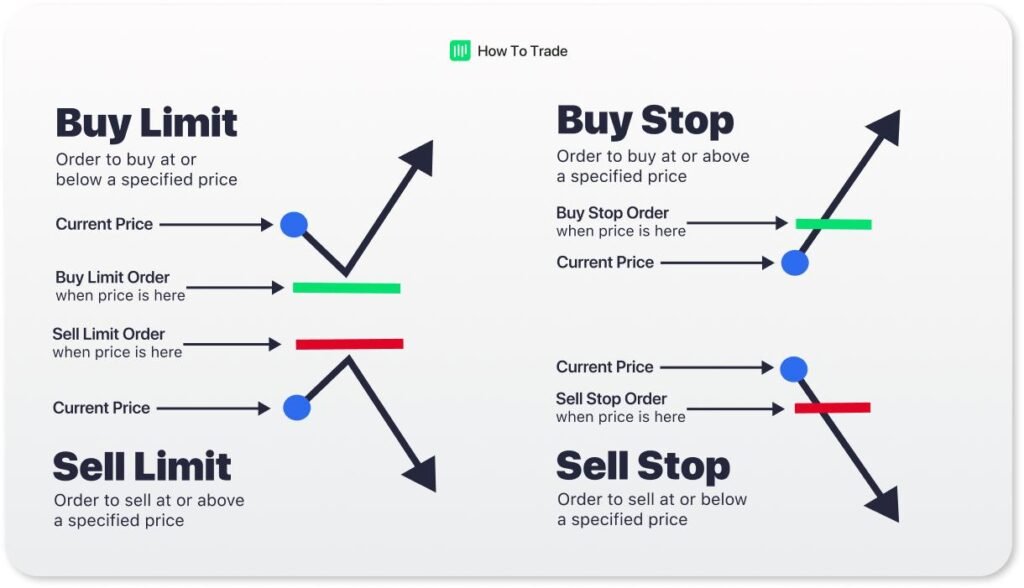
Fig 1.1 Comparison of types of forex orders including market order, limit order, and stop order with execution differences
Market Order Instant Execution Strategy
A market order is the simplest and fastest execution type in forex trading. It allows traders to enter or exit the market immediately at the current available price.
This order type is widely used when speed is more important than price precision. For example, during strong news events or high volatility conditions, traders prefer market orders to avoid missing opportunities.
However, the disadvantage is slippage. Since prices move quickly, execution may slightly differ from expected levels. Despite this, market orders remain essential in active trading environments where timing is critical.
Limit Order Precision Entry Method
A limit order is used when a trader wants to enter the market at a better price than the current level. It is one of the most strategic tools in the types of forex orders category because it allows controlled entry planning.
For example, if a trader believes EUR/USD will drop before rising, they may place a buy limit order below the current price. This ensures entry at a discount level without constant market monitoring.
This method is widely used in retracement-based strategies where traders wait for price correction before entering a trade.
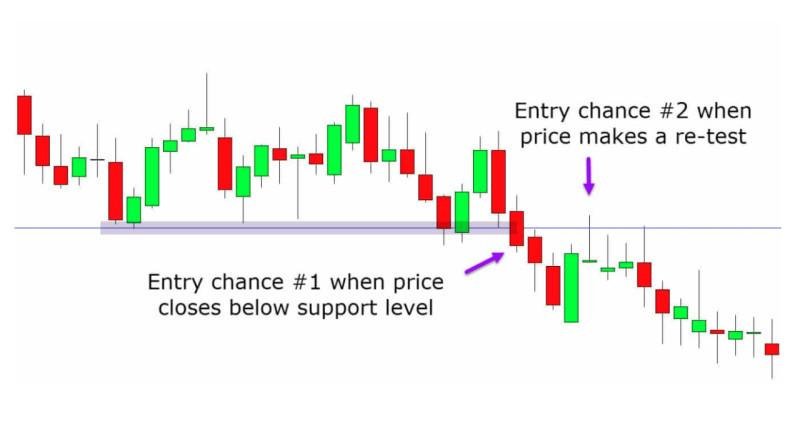
Fig 1.2 Forex trading chart showing stop order breakout strategy with entry and exit levels on candlestick chart
Stop Order Breakout Trading Approach
Stop orders are designed for momentum-based trading strategies. They activate only when price reaches a specific level, allowing traders to participate in breakouts.
A buy stop order is placed above the current price, while a sell stop order is placed below it. This makes it useful for capturing strong directional moves.
Professional traders often use stop orders during high volatility sessions when markets break key support or resistance levels.
Pending Orders Structured Trading System
Pending orders include both limit and stop orders, but they are placed in advance and executed only when conditions are met.
This system is widely used by professional traders who prefer automated execution instead of emotional decision-making. It helps maintain discipline and removes the need for constant market monitoring.
In practical trading environments, pending orders are essential for:
- Swing trading strategies
- Automated trading setups
- Risk-controlled entries
- Multi-level trade planning
Advanced Forex Order Management
Beyond basic execution types, traders also rely on advanced tools to control risk and protect profits.
Stop loss orders are used to automatically close losing trades at a predefined level, preventing large account drawdowns. Take profit orders help lock profits when the market reaches a target level. Trailing stops go a step further by adjusting dynamically with price movement.
These tools transform trading from emotional guessing into structured risk management.
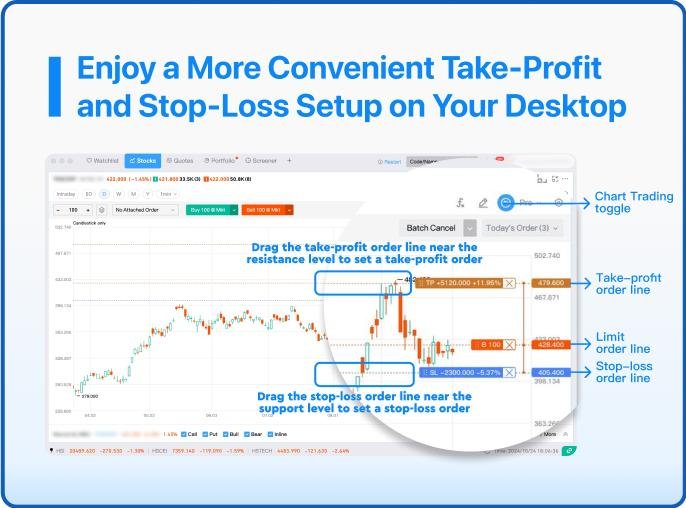
Fig 1.3 Forex trading dashboard displaying pending orders, stop loss, and take profit levels for risk management
FAQs
What are the main types of forex orders in trading?
How do forex types of orders affect trading strategy?
What is the safest forex order type for beginners?
What is the difference between limit and stop orders in forex?
Why are pending orders important in forex trading?
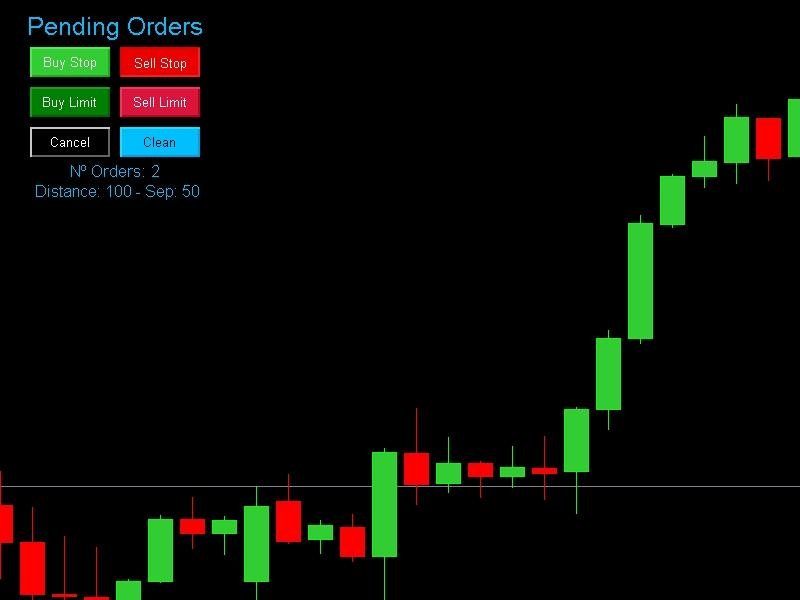
Fig 1.4 Forex pending order setup showing buy limit, sell limit, buy stop, and sell stop levels on a trading chart for structured trade planning
Conclusion
Understanding the types of forex orders is not just a theoretical concept but a practical skill that directly impacts trading performance. Every successful trader relies on structured order execution to control entry timing, manage risk, and maximize profit potential in different market conditions.
The use of market orders, limit orders, stop orders, and pending orders allows traders to adapt to both volatile and stable market environments. Each order type serves a specific purpose, whether it is instant execution, precision entry, or breakout trading strategy.
In professional trading environments, mastering forex types of orders helps reduce emotional decision-making and increases consistency in results. When combined with stop loss, take profit, and trailing stop systems, these order types create a complete risk management framework.