
Forex Leverage: Complete Guide to Smart Risk and Capital Control
In forex trading, one of the most powerful yet dangerous tools is forex leverage. It allows traders to control large positions with a small amount of capital. While it can significantly increase profit potential, it also increases risk if not used correctly.
Understanding leverage in forex is essential for every trader, whether beginner or advanced. Without proper knowledge, leverage can quickly lead to heavy losses. However, when used strategically, it becomes a powerful tool for scaling trading opportunities.
What is Forex Leverage?
Forex leverage is a financial tool that allows traders to open larger positions than their actual capital. It works like a loan from the broker, enabling traders to amplify their exposure in the market.
For example, with 1:100 leverage, a trader can control $10,000 worth of currency with just $100. This increases both profit potential and risk exposure.
To fully understand what is leverage in forex, it is important to see it as a double-edged sword. It magnifies gains but also magnifies losses if the market moves against your position.
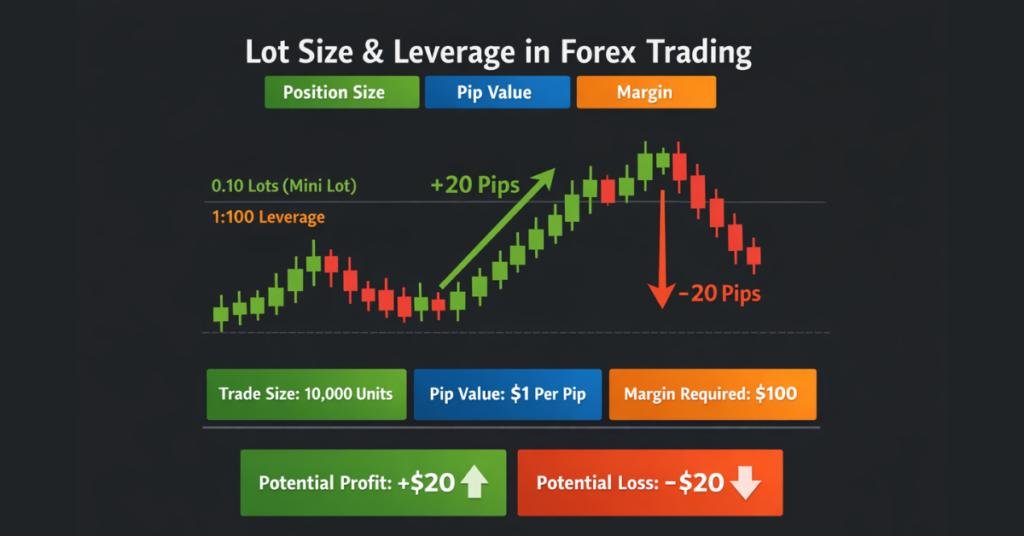
Fig 1.1 forex leverage explanation showing capital multiplier and trading exposure
How Forex Leverage Works in Trading
In real trading, leverage in forex works by using margin. Margin is the amount of money required to open a leveraged position. The broker covers the remaining exposure.
For example, if you use 1:100 leverage, a small price movement can create significant profit or loss. This makes leverage a powerful but risky tool.
Traders use leverage to maximize opportunities in small price movements. However, proper risk management is essential to avoid margin calls or account liquidation.
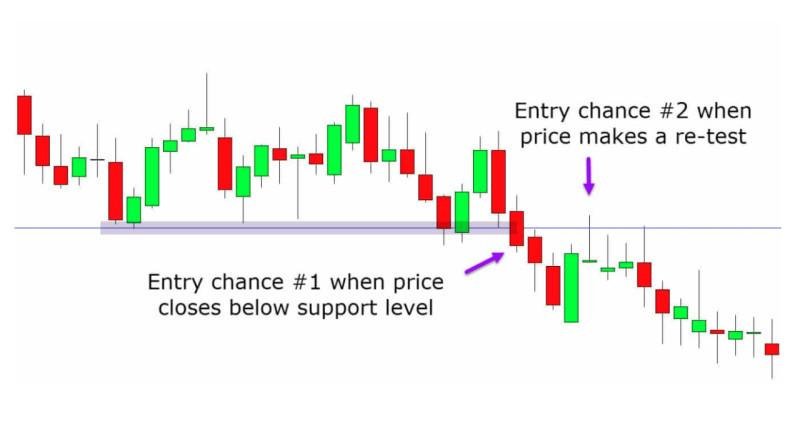
Fig 1.2 Forex trading chart showing stop order breakout strategy with entry and exit levels on candlestick chart
Types of Forex Leverage
Different brokers offer different leverage levels, and each has its own risk profile. Low leverage, such as 1:10 or 1:20, is considered safer and is often used by conservative traders.
High leverage, such as 1:200 or 1:500, allows for larger position sizes but increases risk significantly. Many beginners are attracted to high leverage without understanding its consequences.
Choosing the right forex leverage depends on your trading style, experience level, and risk tolerance.
Example of Forex Leverage in Action
| Leverage | Capital | Position Size | Risk Level |
|---|---|---|---|
| 1:10 | $100 | $1,000 | Low |
| 1:100 | $100 | $10,000 | Medium |
| 1:500 | $100 | $50,000 | High |
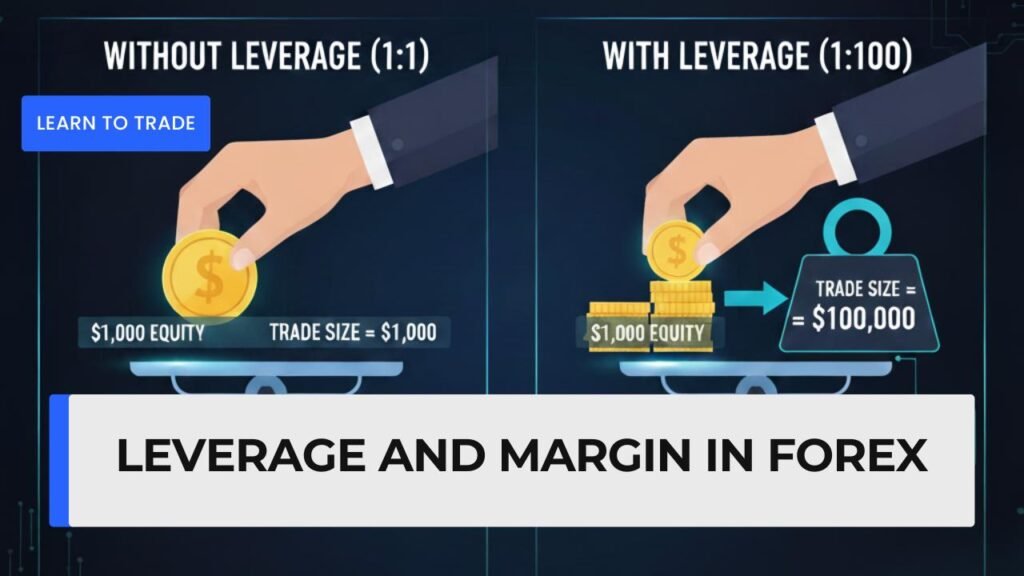
Fig 1.3 forex leverage comparison low vs high leverage trading risk chart
Best Practices for Using Forex Leverage
Successful traders use leverage carefully and strategically. They never rely on maximum leverage but instead choose controlled exposure.
- Use low leverage when starting to reduce risk and protect capital
- Always combine leverage with stop-loss orders for risk control
- Focus on position sizing rather than maximizing leverage
- Avoid emotional trading during high volatility periods
These practices help maintain balance while using forex leverage effectively.
Why Forex Leverage is Important
Despite its risks, forex leverage is essential in modern trading. Without it, small accounts would struggle to generate meaningful profits.
Leverage allows traders to access global markets and take advantage of small price movements. When managed correctly, it enhances trading efficiency and capital utilization.
Professional traders use leverage not to gamble, but to optimize returns while maintaining strict risk control.
FAQs
What is forex leverage?
How does leverage in forex work?
Is high leverage safe?
What is the best leverage for beginners?
Can leverage lead to loss of entire account?
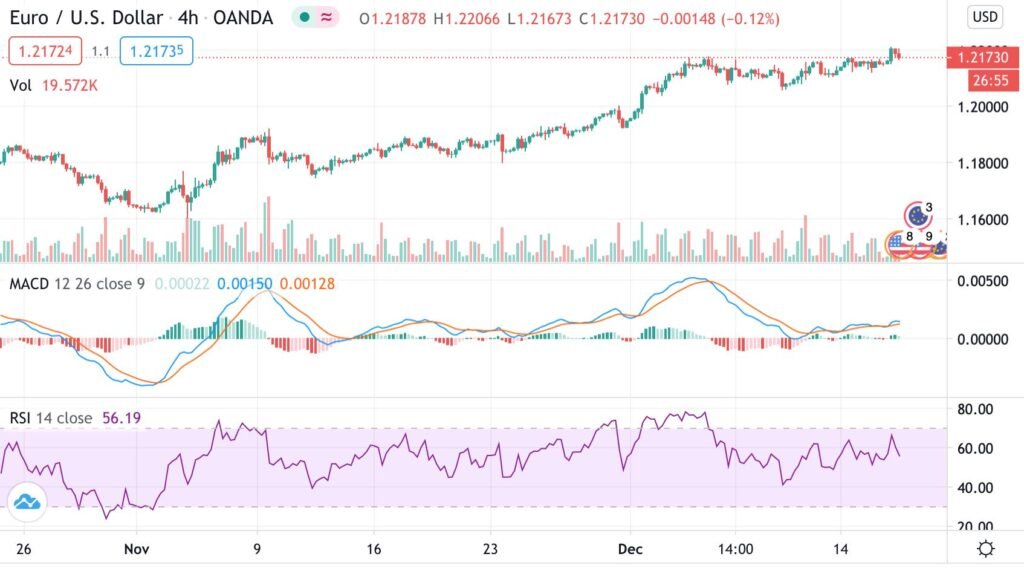
Fig 1.4 forex leverage risk showing margin call and account loss example
Conclusion
Understanding forex leverage is essential for every trader aiming for long-term success. While it offers the opportunity to amplify profits, it also increases exposure to risk. Mastering leverage in forex is not about using the highest possible ratio but about using it wisely and strategically.
Traders who combine leverage with proper risk management, disciplined trading plans, and emotional control are more likely to achieve consistent results. In the end, leverage is not a shortcut to success—it is a tool that must be used with knowledge, patience, and responsibility.