
Forex Carry Trade Strategy: Complete Expert Guide for Modern Traders
The forex carry trade strategy is one of the most widely used approaches in global currency markets. It is based on a simple yet powerful financial principle: earning profit from interest rate differences between two currencies. Traders use this method to borrow a low-interest currency and invest in a high-interest currency, generating returns from the interest rate gap.
Unlike short-term trading strategies, carry trade forex is designed for long-term positioning. It is commonly used by hedge funds, banks, and professional traders who understand macroeconomic trends and central bank policies. When used correctly, it can provide consistent income in stable market conditions.
How Forex Carry Trade Works in Real Market Conditions
The working mechanism of forex carry trade depends entirely on global interest rates set by central banks. Every currency has an associated interest rate, and this difference creates opportunities for traders.
For example, if a trader borrows a currency with a very low interest rate and converts it into a currency with a higher interest rate, they earn the difference as a daily rollover or swap. This profit continues as long as the position remains open and market conditions stay stable.
In real trading environments, brokers automatically calculate this swap. Traders holding positions overnight either pay or receive interest depending on the direction of the trade. In carry trade forex, the goal is always to hold a positive swap position for long-term gain.
However, it is important to understand that currency prices also fluctuate. Even if a trader earns interest, a strong price reversal can reduce or eliminate profits. That is why this strategy requires both macroeconomic understanding and risk management discipline.
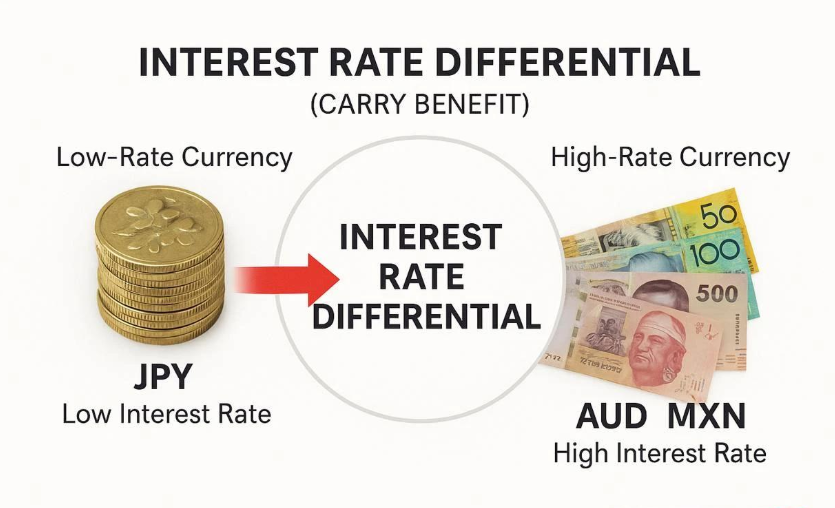
Fig 1.1 Interest rate comparison chart used in carry trade forex strategy showing global central bank rates
Best Currency Pairs Used in Carry Trade Forex
In professional trading, not all currency pairs are suitable for carry trade forex. Traders typically choose pairs where there is a significant interest rate difference between the two countries.
One of the most commonly used pairs is AUD/JPY. Australia traditionally offers higher interest rates compared to Japan, making it attractive for carry trade positions. Similarly, NZD/JPY is another popular pair for long-term strategies due to stable economic conditions.
Emerging market currencies like USD/TRY or USD/MXN can also offer higher yields, but they carry much higher volatility and political risk. Professional traders carefully balance risk and reward before entering such positions.
The selection of currency pairs plays a critical role in the success of any forex carry trade strategy because interest advantage alone is not enough; stability of price movement is equally important.
Benefits of Forex Carry Trade Strategy
One of the biggest advantages of carry trade forex is the ability to generate passive income from interest rates. Traders do not need to actively enter and exit trades frequently. Instead, they can hold positions for weeks or even months, earning steady returns through swap rates.
Another benefit is diversification. Many professional traders use carry trades as part of a broader portfolio strategy to balance risk from more volatile trading styles. When markets are calm, carry trade positions often perform well and provide stability.
Additionally, this strategy aligns well with macroeconomic analysis. Traders who understand central bank policies, inflation trends, and economic cycles can use this knowledge to strengthen their forex carry trade decisions.
Risks and Challenges in Carry Trade Forex
Despite its advantages, carry trade forex is not risk-free. One of the biggest risks is currency depreciation. Even if a trader earns interest daily, a sudden drop in exchange rate can erase profits quickly.
Another major risk is central bank policy changes. If a central bank reduces interest rates, the entire carry trade structure can collapse. This makes macroeconomic monitoring extremely important.
Market volatility is another challenge. During global crises or unexpected financial events, safe trading conditions can disappear rapidly, causing sharp reversals in currency prices.
This is why professional traders always use risk management tools such as stop-loss orders, controlled leverage, and diversified positions when working with forex carry trade strategies.
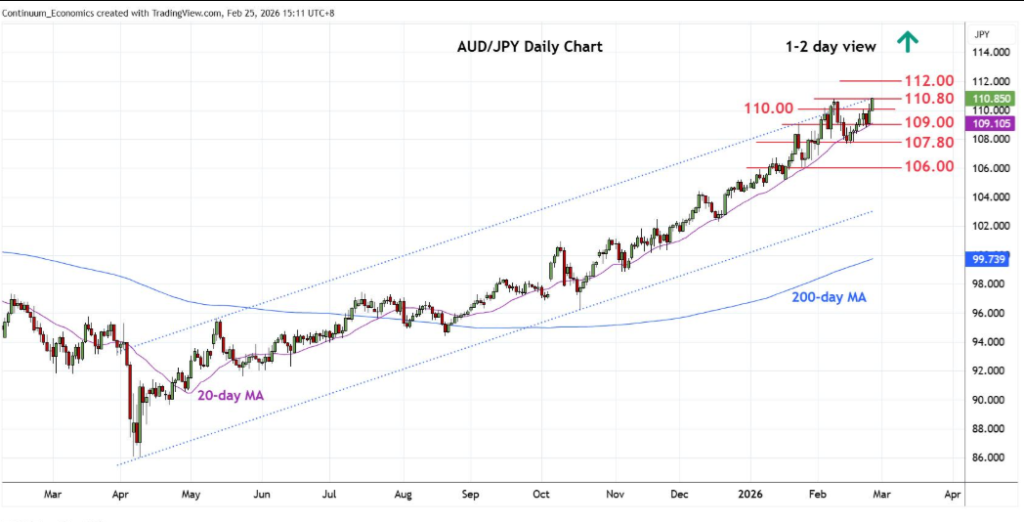
Fig 1.2 AUD JPY and NZD JPY performance chart for forex carry trade strategy analysis
Professional Carry Trade Forex Approach
Successful traders treat carry trade forex as a long-term investment strategy rather than a short-term trading method. They carefully analyze global interest rate cycles before entering the market.
A disciplined trader will always avoid over-leveraging positions because high leverage can amplify losses during sudden market shifts. Instead, they focus on stable economic environments where currencies are less likely to experience extreme volatility.
Professional traders also monitor economic calendars closely. Events like central bank meetings, inflation reports, and GDP data can significantly impact carry trade performance. Timing entry and exit points based on macroeconomic conditions is a key part of success.

Fig 1.3 Forex carry trade risk and reward comparison showing volatility impact on trading profits
FAQs
What is forex carry trade in simple terms?
How does carry trade forex generate profit?
Is forex carry trade safe for beginners?
Which currency pairs are best for carry trade forex?
What are the risks of forex carry trade?

Fig 1.4 Professional forex trader analyzing macroeconomic trends and carry trade opportunities
Conclusion
The forex carry trade strategy remains one of the most powerful long-term approaches in the global currency market. It is built on the foundation of interest rate differentials, allowing traders to earn passive income by holding positions over extended periods. However, success in this strategy depends heavily on macroeconomic awareness, disciplined risk management, and proper currency selection.
While carry trade forex can generate stable returns in favorable market conditions, it is not without risk. Exchange rate fluctuations, central bank decisions, and global financial instability can significantly impact profitability. For this reason, professional traders always combine carry trade positions with careful analysis of economic trends and strict capital protection rules.
When applied correctly, this strategy becomes more than just a trading method—it transforms into a structured investment approach within the forex market. Traders who understand both opportunity and risk can use forex carry trade as a powerful tool for long-term portfolio growth and financial stability in the dynamic world of currency trading.