
Forex News Trading Strategy: Complete Guide to Trading Economic News Successfully
The forex market reacts instantly to global economic events. Interest rate decisions, inflation reports, employment data, and central bank announcements can move currency pairs within seconds. For traders who understand market reactions, these movements create high-profit opportunities. This is where a forex news trading strategy becomes extremely valuable.
Unlike technical traders who rely mainly on charts and indicators, news traders focus on economic reports and market sentiment. They use forex fundamental analysis to predict how news releases may impact currency values. In modern forex trading, understanding both technical and fundamental factors is essential for long-term success.
News trading can be highly profitable, but it also carries significant risk due to sudden volatility and rapid price movements. Traders who approach the market without preparation often experience slippage, emotional decision-making, and unnecessary losses. However, traders who understand economic data, market expectations, and risk management can use news events to their advantage.
A professional forex news trading strategy helps traders identify market-moving events, anticipate volatility, and execute trades with greater confidence and precision.
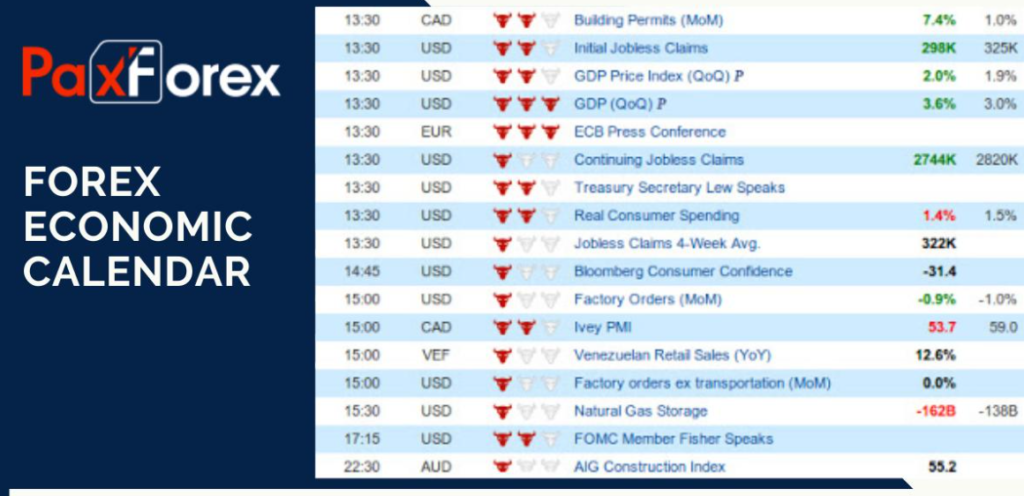
Fig 1.1 forex news trading strategy using economic calendar and market events
What Is a Forex News Trading Strategy?
A forex news trading strategy is a trading method focused on profiting from market volatility caused by economic news releases and financial events. These events include interest rate decisions, inflation data, GDP reports, employment figures, and central bank statements.
The forex market responds strongly to economic information because currencies represent national economies. Positive economic data often strengthens a currency, while weak data can weaken it significantly.
For example, if U.S. inflation data comes out stronger than expected, traders may anticipate future interest rate hikes from the Federal Reserve. This can increase demand for the U.S. dollar and push USD currency pairs higher.
Professional traders combine forex fundamental analysis with market sentiment and technical confirmation to improve trading accuracy during major news releases.
Why Forex Fundamental Analysis Matters
Many beginner traders ignore economic data and focus only on charts. However, charts alone cannot explain why markets move aggressively during certain periods. This is why forex fundamental analysis is critical for serious traders.
Fundamental analysis studies the economic strength of a country by evaluating indicators such as:
| Economic Indicator | Market Impact |
|---|---|
| Interest Rates | Strong effect on currency value |
| Inflation (CPI) | Influences central bank policy |
| Employment Data | Measures economic health |
| GDP Reports | Shows economic growth |
| Retail Sales | Reflects consumer spending |
These indicators directly influence market expectations and investor confidence.
A strong economy usually attracts foreign investment, increasing demand for that country’s currency. Weak economic conditions typically reduce currency demand. Understanding these relationships allows traders to predict long-term market direction more effectively.
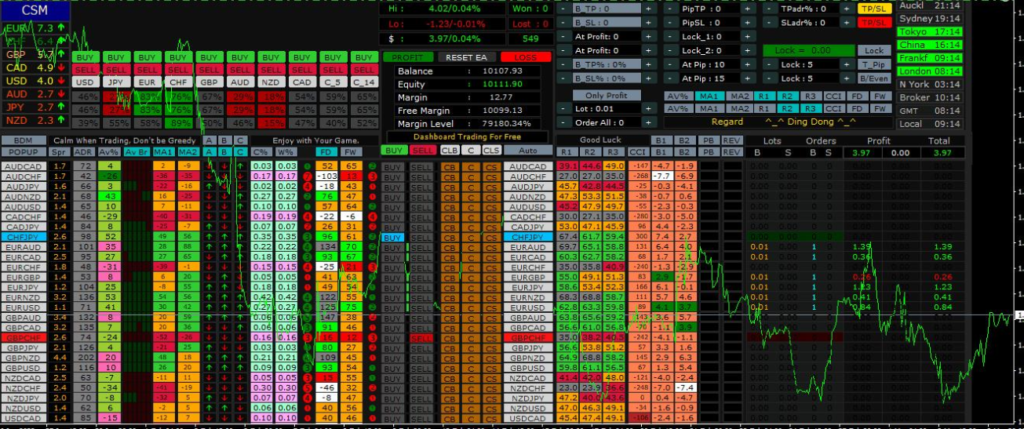
Fig 1.2 forex fundamental analysis dashboard showing economic indicators and market data
Common Mistakes in Forex Position Sizing
One of the biggest reasons traders lose money is incorrect position sizing. A common mistake is using fixed lot sizes regardless of account changes. This ignores risk fluctuations and leads to inconsistent results.
Another major mistake is ignoring stop-loss placement. Without a defined stop loss, position sizing becomes meaningless and exposes traders to unlimited risk.
Over-leveraging is also a frequent issue among beginners. High leverage may increase profits, but it also increases losses dramatically. Proper forex trading risk management always prioritizes survival over aggressive growth.
Advanced Position Sizing Strategies Used by Professionals
Experienced traders do not rely on a single method. Instead, they use advanced techniques to adapt to market conditions.
One common approach is the fixed fractional method, where traders risk a fixed percentage of their account on every trade. This keeps risk consistent regardless of account size.
Another method is volatility-based position sizing. Here, trade size is adjusted depending on market volatility. Higher volatility results in smaller positions, while stable markets allow larger exposure.
Some traders also use equity-based compounding strategies, where position size increases as account equity grows. This helps maximize returns while still maintaining controlled risk exposure.
How Forex News Trading Works
A successful forex news trading strategy requires preparation before the news release occurs. Traders first analyze the economic calendar to identify high-impact events likely to move the market.
Most traders focus on events marked as “high impact” because they create strong volatility. Common examples include:
- Non-Farm Payrolls (NFP)
- Federal Reserve interest rate decisions
- Consumer Price Index (CPI)
- GDP reports
- Central bank speeches
Before the release, traders compare market expectations with forecasted data. Market movement often depends not only on the actual result but also on whether the result beats or misses expectations.
For example, if traders expect U.S. inflation at 3.0% but the actual report shows 3.5%, the U.S. dollar may strengthen rapidly because the result exceeded expectations.
Professional traders use forex fundamental analysis to understand these market reactions instead of blindly entering trades during volatility.
Best Forex News Trading Strategies
Different traders use different methods when trading economic events. The best strategy depends on risk tolerance, trading style, and market experience.
1. Breakout News Strategy
This strategy involves placing buy-stop and sell-stop orders above and below key price levels before the news release.
When volatility increases, price breaks in one direction and triggers the appropriate order. This method works well during highly volatile events such as NFP or FOMC announcements.
2. Post-News Confirmation Strategy
Many professional traders avoid entering trades immediately after news releases because spreads and volatility can become extreme.
Instead, they wait for the initial reaction to settle before entering trades with confirmation signals. This reduces emotional trading and improves risk management.
3. Fundamental Trend Trading
Some traders use forex fundamental analysis to identify long-term economic trends rather than short-term volatility.
For example, if a central bank continues raising interest rates while another economy weakens, traders may hold positions for weeks or months based on macroeconomic trends.
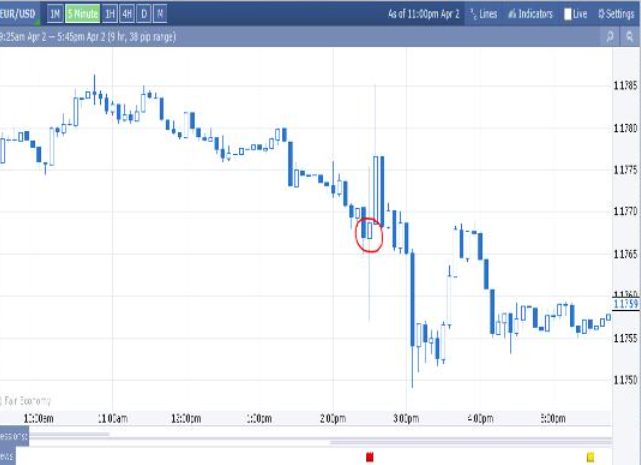
Fig 1.3 forex news trading volatility spike after economic data release
Risk Management in Forex News Trading
Risk management is essential when using a forex news trading strategy because market volatility increases dramatically during major announcements.
One of the biggest mistakes traders make is using excessive leverage during news events. Even accurate market predictions can fail due to unpredictable price spikes and slippage.
Professional traders follow several important risk management principles:
| Risk Management Rule | Purpose |
|---|---|
| Use smaller lot sizes | Reduces exposure |
| Avoid overleveraging | Protects account balance |
| Use stop losses | Controls losses |
| Wait for confirmation | Reduces emotional trading |
| Avoid trading every event | Focus on high-quality setups |
Controlling risk is more important than chasing profits. Long-term success comes from consistency and discipline rather than aggressive trading behavior.
Common Mistakes Traders Make
Many beginner traders misunderstand how news trading works. One common mistake is entering trades seconds before the release without understanding market expectations.
Another issue is ignoring spreads and slippage. During high-impact news, spreads can widen dramatically, causing unexpected losses even if the trade direction is correct.
Some traders also focus only on headlines while ignoring broader economic context. Effective forex fundamental analysis requires understanding how central banks, inflation, and market sentiment interact together.
Emotional trading is another major problem. Sudden volatility often causes traders to panic, move stop losses, or close trades prematurely.
Advantages of Forex News Trading
The popularity of the forex news trading strategy comes from its ability to create fast market movement and strong profit opportunities.
Key advantages include:
- High volatility creates large trading opportunities
- Economic data provides clear market direction
- Strong trends can develop quickly
- News events increase trading volume
- Fundamental analysis improves long-term market understanding
When combined with technical confirmation and disciplined execution, news trading can become a highly effective trading approach.
FAQs
What is the best forex news trading strategy for beginners?
Why is forex fundamental analysis important?
Which news events move the forex market the most?
Can beginners trade forex news successfully?
Is forex news trading risky?

Fig 1.4 professional trader using forex news trading strategy during market volatility
Conclusion
A well-planned forex news trading strategy allows traders to capitalize on some of the most powerful movements in the forex market. Economic reports, central bank announcements, and major financial events create volatility that can generate exceptional trading opportunities when approached correctly.
However, successful news trading requires more than reacting to headlines. Traders must understand forex fundamental analysis, market expectations, and risk management principles. The most profitable traders focus on preparation, discipline, and long-term consistency rather than emotional reactions during volatile conditions.
By combining economic analysis with technical confirmation and proper trade management, traders can build a structured approach to news trading that improves confidence and trading performance over time. In today’s competitive forex environment, mastering the forex news trading strategy can provide a significant edge for serious traders.