
Forex Position Sizing: Complete Professional Risk Management Guide
Introduction to Forex Position Sizing
In forex trading, survival is more important than profit. Many traders focus only on entries and signals, but ignore the most critical factor forex position sizing. This concept defines how much volume you should trade based on your account size, risk tolerance, and stop-loss level.
Position sizing is the foundation of professional forex risk management. Without it, even a strong trading strategy can lead to heavy losses. Experienced traders always calculate risk before entering any trade, ensuring that no single position can damage their overall capital.
In simple terms, position sizing answers one question: “How much should I trade so that I can survive long-term in the market?”
What is Forex Position Sizing?
Forex position sizing is the method of determining the exact trade size (lot size) based on your account equity and risk percentage per trade. It ensures that every trade is proportional to your trading capital.
Professional traders use position sizing as a protective mechanism. Instead of guessing lot sizes, they calculate exposure using structured formulas or a forex position sizing calculator. This approach keeps trading consistent and prevents emotional decisions.
Position sizing is not about maximizing profits instantly. It is about preserving capital so that traders remain active in the market long enough to succeed.
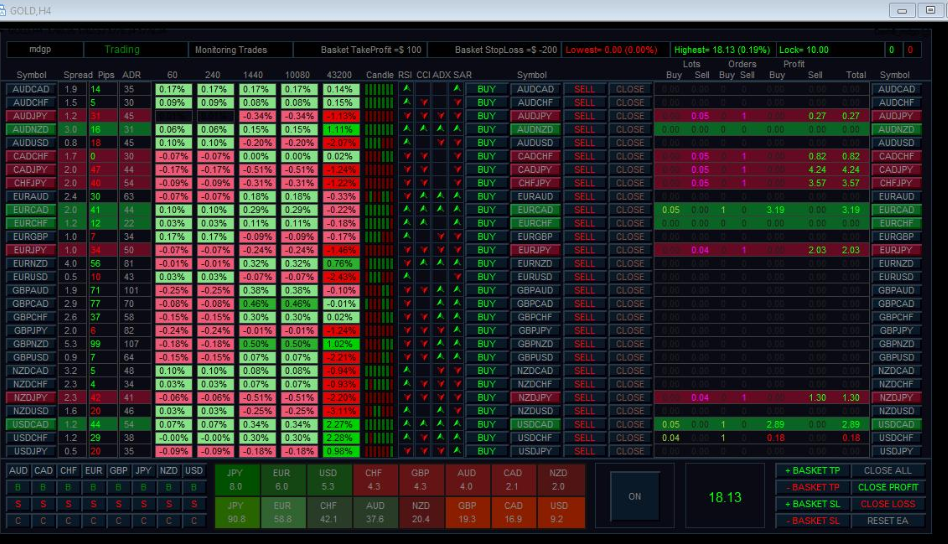
Fig 1.1 Forex position sizing calculator showing input fields for risk percentage, stop loss, and lot size calculationf
Why Forex Position Sizing is Important in Trading
Position sizing plays a crucial role in building a sustainable trading career. Many traders fail not because they lack strategy, but because they risk too much on a single trade.
Proper forex position sizing strategy helps traders control drawdowns and maintain discipline during volatile market conditions. It creates a balance between risk and reward, ensuring that losses remain manageable even during losing streaks.
Another important benefit is emotional control. When traders know their risk is limited, they avoid panic decisions and overtrading. This directly improves consistency and long-term performance.
How to Calculate Forex Position Size (Professional Method)
The calculation of position size is based on a simple but powerful formula used by institutional traders:
Risk per Trade = Account Balance × Risk Percentage
Then:
Position Size = Risk Amount ÷ (Stop Loss in Pips × Pip Value)
This formula ensures that every trade is aligned with your risk tolerance level.
For example, if a trader has a $1,000 account and risks 2%, the maximum loss per trade is $20. If the stop loss is 50 pips, the lot size is adjusted accordingly. This systematic approach prevents oversized trades and protects the trading account from unexpected volatility.
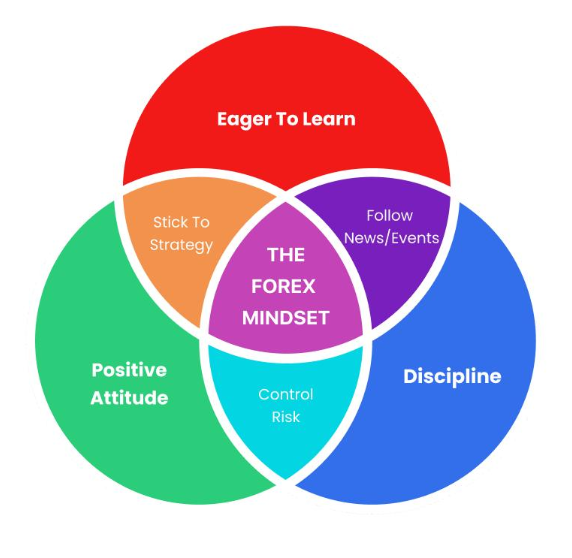
Fig 1.2 Forex trader analyzing charts showing emotional discipline and position sizing decision-making process
Common Mistakes in Forex Position Sizing
One of the biggest reasons traders lose money is incorrect position sizing. A common mistake is using fixed lot sizes regardless of account changes. This ignores risk fluctuations and leads to inconsistent results.
Another major mistake is ignoring stop-loss placement. Without a defined stop loss, position sizing becomes meaningless and exposes traders to unlimited risk.
Over-leveraging is also a frequent issue among beginners. High leverage may increase profits, but it also increases losses dramatically. Proper forex trading risk management always prioritizes survival over aggressive growth.
Advanced Position Sizing Strategies Used by Professionals
Experienced traders do not rely on a single method. Instead, they use advanced techniques to adapt to market conditions.
One common approach is the fixed fractional method, where traders risk a fixed percentage of their account on every trade. This keeps risk consistent regardless of account size.
Another method is volatility-based position sizing. Here, trade size is adjusted depending on market volatility. Higher volatility results in smaller positions, while stable markets allow larger exposure.
Some traders also use equity-based compounding strategies, where position size increases as account equity grows. This helps maximize returns while still maintaining controlled risk exposure.

Fig 1.3 Professional forex trading environment focused on position sizing and capital protection
Position Sizing vs Risk Management
Although both terms are related, they serve different purposes in trading. Forex position sizing determines trade volume, while risk management controls overall exposure and strategy discipline.
When combined, they create a powerful trading system. Position sizing ensures each trade is safe, while risk management ensures the entire portfolio remains stable. Professional traders always integrate both concepts into their trading plans.
FAQs
What is forex position sizing in trading?
Why is forex position sizing important for beginners?
How does a forex position sizing calculator work?
What is the best risk percentage for forex trading?
Can position sizing improve trading profitability?
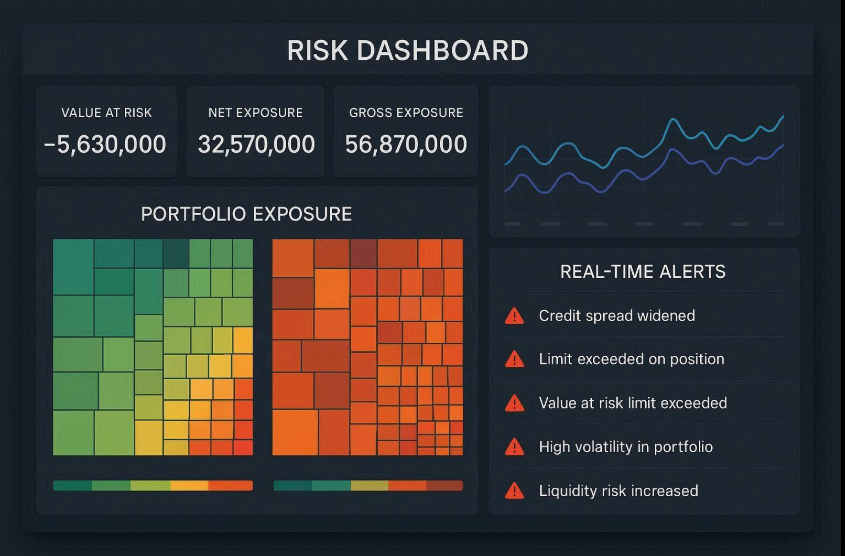
Fig 1.4 Forex volatility-based position sizing illustration showing adaptive risk exposure management
Conclusion
Forex position sizing is one of the most critical elements of successful trading. It is not just a calculation method but a complete risk control system that determines how long a trader survives in the market. Without proper position sizing, even profitable strategies can lead to account failure due to uncontrolled losses.
A disciplined trader always prioritizes risk over reward. By using structured methods and tools like a forex position sizing calculator, traders can eliminate guesswork and bring consistency to their trading decisions. This leads to more stable performance and reduced emotional pressure during market volatility.
Another key takeaway is that position sizing should never be random. It must always be aligned with account size, stop-loss level, and overall trading strategy. This ensures that every trade is part of a controlled and professional system rather than speculation.
In the long run, traders who master forex position sizing strategy gain a significant advantage. They protect capital during losing streaks and grow steadily during winning phases. This balance between risk and reward is what separates amateur traders from professionals.
Ultimately, success in forex trading is not about finding the perfect entry it is about managing risk intelligently. And that begins with mastering position sizing.