
Forex Trend Reversal Strategy: Complete Guide to Identifying Market Turning Points
The forex market constantly moves between trends, consolidations, and reversals. While many traders focus on trend-following strategies, experienced traders understand that some of the most profitable opportunities occur during market reversals. This is where a professional forex trend reversal strategy becomes highly valuable.
A trend reversal happens when the market changes direction after a prolonged bullish or bearish movement. Identifying these turning points early allows traders to enter positions near the beginning of a new trend rather than chasing late entries.
However, trading reversals is not easy. Many traders confuse temporary pullbacks with actual trend reversals. This often leads to premature entries and unnecessary losses. Successful reversal trading forex techniques require patience, technical confirmation, and strong market understanding.
Professional traders use price action, market structure, candlestick patterns, momentum analysis, and support and resistance zones to identify potential reversals. When combined correctly, these tools help traders recognize high-probability market turning points before major moves occur.
In modern forex trading, mastering reversal strategies can provide traders with better entry timing, stronger risk-to-reward ratios, and increased trading opportunities across different market conditions.
What Is a Forex Trend Reversal Strategy?
A forex trend reversal strategy is a trading method focused on identifying when the market is likely to change direction. Instead of trading with the current trend, reversal traders attempt to capture the beginning of a new trend after momentum weakens.
For example, if EUR/USD has been trending upward for several weeks but begins showing signs of exhaustion, traders may anticipate a bearish reversal and look for selling opportunities.
The goal of reversal trading forex is to identify:
- Trend exhaustion
- Momentum shifts
- Market structure changes
- Institutional reversal zones
- Strong support or resistance reactions
Unlike random countertrend trading, professional reversal strategies rely on technical confirmation and market behavior rather than guessing.
Related guides:
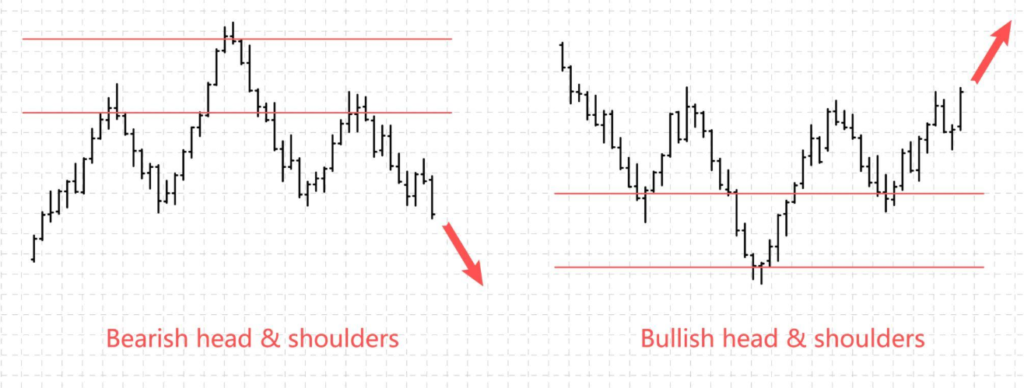
Fig 1.1 forex trend reversal strategy chart showing bullish and bearish reversal zones
Why Trend Reversals Happen in Forex
Trend reversals occur because market sentiment changes over time. A strong bullish trend eventually attracts profit-taking, while bearish trends eventually reach undervalued levels where buyers re-enter the market.
Several factors can trigger reversals, including:
| Reversal Trigger | Market Impact |
|---|---|
| Economic news | Changes market sentiment |
| Central bank policy | Alters currency demand |
| Institutional profit-taking | Weakens momentum |
| Overbought or oversold conditions | Increases reversal probability |
| Major support/resistance zones | Creates price reactions |
Professional traders analyze these factors carefully to improve reversal accuracy.
One reason forex trend reversal strategy trading remains popular is because reversals often create strong momentum moves with excellent risk-to-reward potential.
How to Identify Forex Trend Reversals
Successful reversal trading forex depends on identifying confirmation signals rather than predicting blindly.
Professional traders use several methods to detect reversals.
1. Market Structure Changes
One of the clearest reversal signals occurs when market structure changes.
For example:
- Uptrend = Higher highs and higher lows
- Downtrend = Lower highs and lower lows
If an uptrend suddenly fails to create a new higher high and instead forms a lower low, it may signal a bearish reversal.
Market structure analysis is one of the most reliable components of a professional forex trend reversal strategy.
2. Candlestick Reversal Patterns
Candlestick patterns help traders recognize momentum shifts.
Popular reversal candlestick patterns include:
- Bullish engulfing
- Bearish engulfing
- Pin bars
- Morning star
- Evening star
These patterns become stronger when they appear near major support or resistance zones.
3. Momentum Divergence
Momentum indicators such as RSI and MACD help traders identify weakening trends.
For example, if price creates a new high but RSI fails to create a new high, bearish divergence may signal trend exhaustion.
Momentum divergence is widely used in advanced reversal trading forex strategies.
Best Forex Trend Reversal Strategies
Different market conditions require different reversal techniques.
1. Support and Resistance Reversal Strategy
This strategy focuses on strong historical levels where price previously reversed.
If price reaches a major weekly resistance zone and forms bearish confirmation signals, traders may enter short positions anticipating reversal momentum.
This is one of the most common forex trend reversal strategy methods used by professional traders.
2. Trendline Reversal Strategy
Trendlines help traders identify trend exhaustion.
When price breaks a major trendline with strong momentum, it may indicate the beginning of a new market direction.
Traders often combine trendline breaks with candlestick confirmation for stronger setups.
3. Double Top and Double Bottom Strategy
Double tops and double bottoms are classic reversal patterns.
| Pattern | Signal |
|---|---|
| Double Top | Bearish reversal |
| Double Bottom | Bullish reversal |
| Head and Shoulders | Trend exhaustion |
| Inverse Head and Shoulders | Bullish reversal |
These patterns help traders identify high-probability reversal zones.
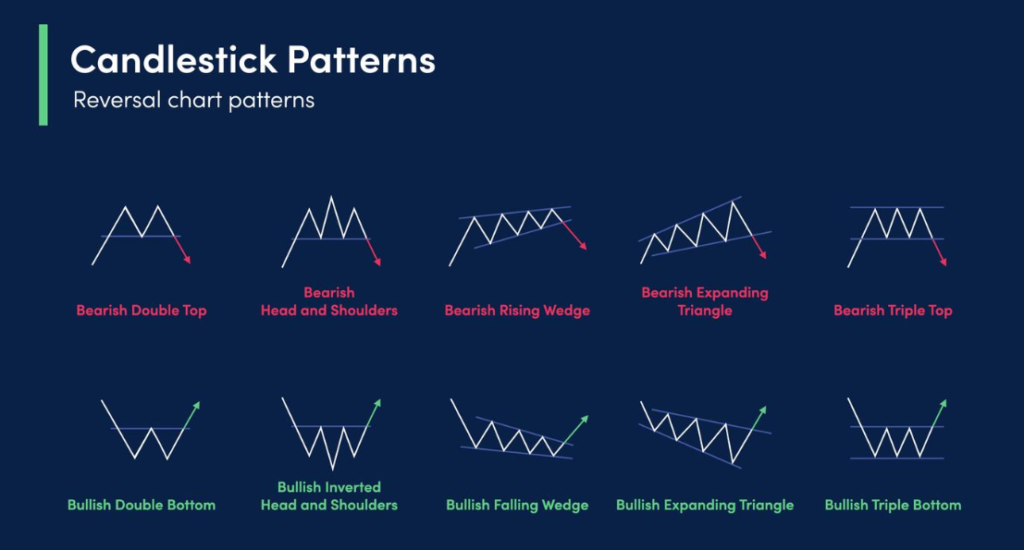
Fig 1.2 reversal trading forex candlestick patterns including engulfing and pin bars
Common Mistakes Traders Make
Many traders struggle with reversal trading forex because they attempt to predict reversals too early.
One common mistake is fighting strong trends without evidence of weakness. Strong momentum can continue far longer than traders expect.
Another issue is ignoring higher timeframe analysis. Reversal setups become more reliable when aligned with major support or resistance levels on higher charts.
Some traders also rely too heavily on indicators while ignoring price action and market structure.
Successful reversal traders focus on confirmation rather than emotion.
Advantages of Forex Trend Reversal Trading
The popularity of the forex trend reversal strategy comes from its ability to provide early trend entries and strong profit potential.
Key advantages include:
- Better risk-to-reward ratios
- Early trend participation
- High momentum opportunities
- Strong support and resistance reactions
- Improved market timing
Reversal trading also allows traders to identify institutional turning points before large trends develop.
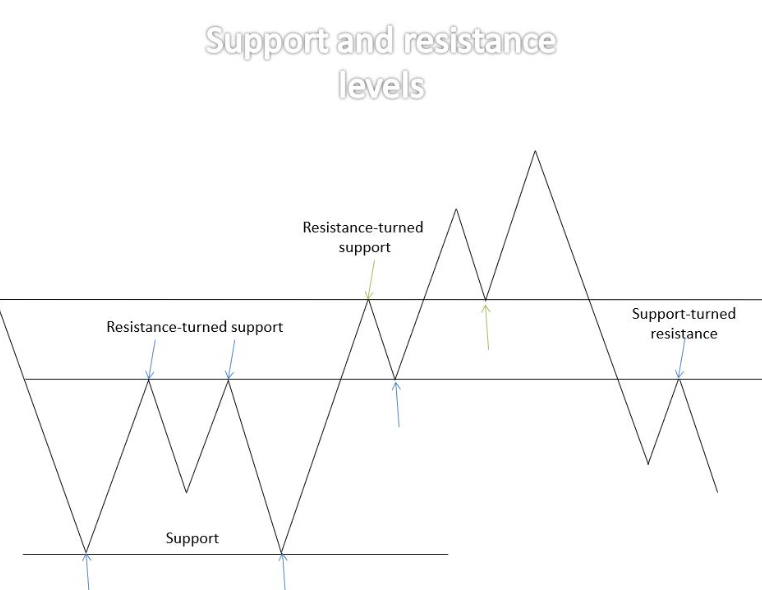
Fig 1.3 forex support and resistance reversal trading setup with market reaction
Common Mistakes Traders Fix Using a Journal
Many traders struggle not because their strategy is wrong, but because their behavior is inconsistent. A trading journal helps expose these weaknesses clearly.
For example, traders often enter trades without proper confirmation or exit trades too early due to fear. These mistakes are difficult to notice without proper tracking.
A journal also highlights revenge trading patterns, where traders try to recover losses quickly without proper analysis. Over time, identifying these habits helps eliminate emotional trading completely and builds a more disciplined approach.
Manual Journal vs Forex Trading Journal App
A manual journal gives traders full control, but it can be time-consuming and prone to human error. On the other hand, a forex trading journal app automates most of the process and provides deeper analytics.
While spreadsheets are useful for beginners, advanced traders often prefer apps because they offer performance dashboards, trade tagging, and psychological tracking features.
Both methods are effective, but automation significantly improves efficiency and accuracy.
How to Build a Strong Trading Journal System
A strong trading journal system is built on consistency. Traders should record every trade immediately after execution and avoid skipping even small details.
Weekly review sessions are extremely important because they help identify patterns in performance. During these reviews, traders should focus on both winning and losing trades equally.
The goal is not just to track trades, but to continuously refine trading strategy based on real data. Over time, this process builds a highly disciplined and data-driven trading approach.
FAQs
What is a forex trend reversal strategy?
What is reversal trading forex?
Which indicators work best for reversal trading?
How can I confirm a forex trend reversal?
Can beginners use forex reversal strategies?

Fig 1.4 professional trader using forex trend reversal strategy on multiple trading screens
Conclusion
A professional forex trend reversal strategy helps traders identify major market turning points before strong new trends begin. Unlike trend-following methods that often enter late, reversal trading focuses on capturing early momentum with better risk-to-reward opportunities.
However, successful reversal trading forex requires more than simply guessing market tops or bottoms. Traders must understand market structure, candlestick confirmation, momentum analysis, and institutional price behavior. The most successful traders remain patient and wait for clear confirmation before entering positions.
When combined with proper risk management and disciplined execution, reversal trading can become a highly effective trading approach in both trending and volatile markets. In today’s competitive forex environment, mastering reversal strategies gives traders a significant advantage in identifying high-probability opportunities and improving long-term consistency.