
Take Profit Strategy: How Professional Forex Traders Secure Consistent Profits
In forex trading, entering a trade is only half the battle. The real challenge is knowing when to exit. Many traders focus heavily on finding perfect entries but ignore the importance of a strong take profit strategy. As a result, profitable trades often turn into losses because traders become emotional or greedy.
A well-planned take profit strategy helps traders lock in profits at the right time while maintaining a balanced risk-to-reward ratio. Professional traders never rely on emotions when exiting trades. Instead, they follow predefined profit targets based on market structure, technical analysis, and volatility.
When combined with a reliable stop loss strategy, a take profit plan creates a disciplined trading system that protects capital and improves long-term profitability.
What Is a Take Profit Strategy?
A take profit strategy is a trading method used to close a position automatically once the market reaches a predetermined profit level. It helps traders secure gains before price reversals occur.
In forex trading, markets move quickly. Without a planned exit strategy, traders often hold winning positions too long. This emotional decision-making usually leads to smaller profits or unnecessary losses.
A take profit order removes emotional pressure from trading. It allows traders to define realistic targets before entering a trade.
Example of a Simple Take Profit Setup
Trade Type | Entry Price | Stop Loss | Take Profit | Risk-Reward Ratio |
Buy EUR/USD | 1.1000 | 1.0950 | 1.1100 | 1:2 |
In this example, the trader risks 50 pips to potentially gain 100 pips. This balanced approach is widely used in professional forex trading.
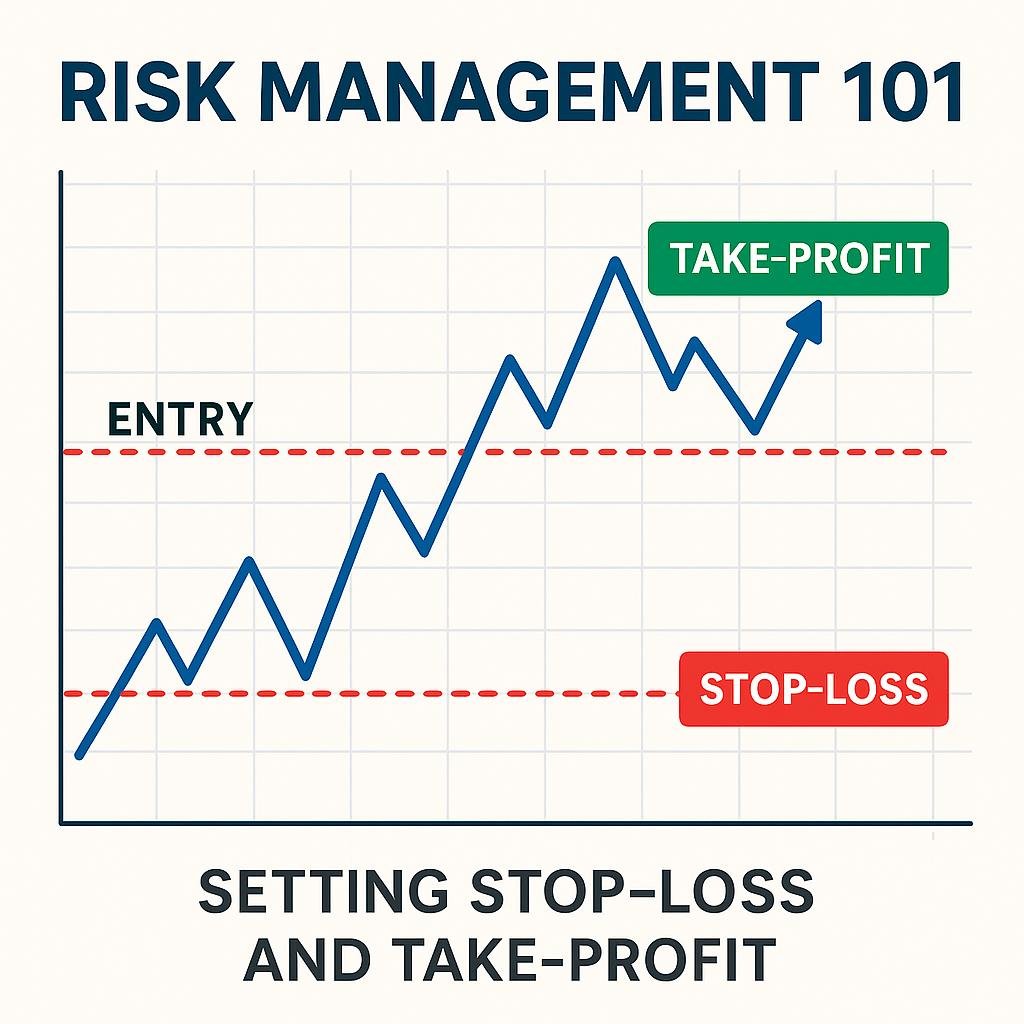
Fig 1.1 Forex trading chart showing take profit strategy
Why a Take Profit Strategy Matters in Forex Trading
Many beginner traders believe successful trading depends only on finding winning entries. However, experienced traders understand that profit management is equally important.
A strong take profit strategy offers several advantages:
- It reduces emotional trading decisions and greed.
- It improves consistency in trade execution.
- It helps maintain a healthy risk-reward ratio.
- It protects profits during volatile market conditions.
- It supports long-term account growth through disciplined trading.
Without a proper exit plan, even accurate market analysis can fail to produce consistent results.
Best Take Profit Strategies Used by Forex Traders
1. Fixed Risk-Reward Ratio Strategy
This is one of the most popular methods among forex traders. Traders define a fixed reward target relative to their risk.
For example:
- Risk = 50 pips
- Reward = 100 pips
- Ratio = 1:2
This approach creates consistency and allows traders to remain profitable even if they win only half of their trades.
Professional traders often prefer minimum risk-reward ratios of 1:2 or 1:3 because they provide better long-term profitability.
2. Support and Resistance Take Profit Strategy
Support and resistance levels are major price zones where reversals commonly happen. Traders use these levels to set realistic take profit targets.
If buying near support, traders may place their take profit near the next resistance level. This method aligns profit targets with actual market structure instead of random pip values.
This strategy works especially well in ranging markets and swing trading setups.
3. Trailing Take Profit Strategy
A trailing take profit allows traders to lock in profits while letting winning trades continue moving in their favor.
Instead of setting a fixed target, traders move their stop loss gradually as price advances. This technique is useful during strong market trends.
Benefits include:
- Capturing larger market moves
- Reducing emotional exits
- Maximizing profits in trending conditions
Many advanced traders use trailing stops alongside trend-following systems.
4. Fibonacci Take Profit Strategy
Fibonacci retracement and extension levels are widely used in technical analysis. Traders use Fibonacci extensions such as 127.2%, 161.8%, and 261.8% to determine profit targets.
This method works particularly well in trending forex markets where price follows predictable expansion patterns.
Combining Fibonacci levels with candlestick confirmation increases trading accuracy.
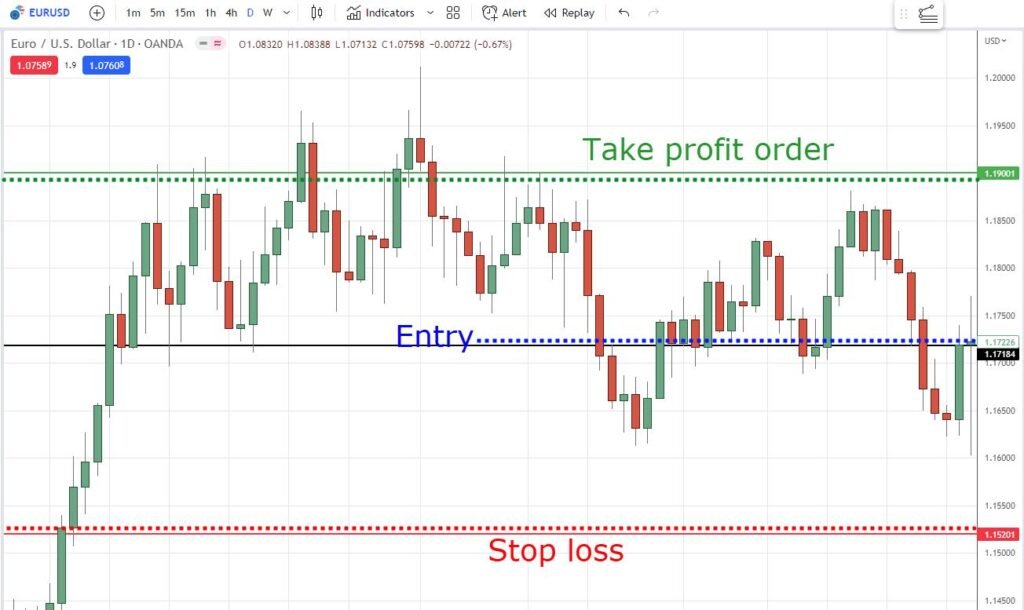
Fig 1.2 Risk reward ratio example for forex take profit strategy
Combining Take Profit Strategy with Stop Loss Strategy
A profitable forex system always combines a take profit strategy with a strong stop loss strategy.
The stop loss protects capital if the trade moves against you, while the take profit secures gains when the market moves in your favor.
Together, these tools create disciplined risk management.
Trading Element | Purpose |
Stop Loss Strategy | Limits losses |
Take Profit Strategy | Secures profits |
Risk Management | Protects account balance |
Trade Discipline | Reduces emotional decisions |
Professional traders never enter a trade without defining both stop loss and take profit levels beforehand.
Common Mistakes Traders Make with Take Profit Levels
Setting Unrealistic Targets
Many traders place profit targets too far away from realistic market movement. This often causes profitable trades to reverse before reaching the target.
Ignoring Market Conditions
Volatility changes constantly in forex trading. A fixed target may not work during low-volume or highly volatile sessions.
Moving Take Profit Emotionally
Changing take profit levels during live trades usually leads to inconsistent results. Traders should trust their analysis and follow their trading plan.
Poor Risk-Reward Ratios
Risking 100 pips to gain only 20 pips creates unsustainable trading performance. Successful traders focus on favorable reward opportunities.
How Professional Traders Choose Take Profit Targets
Professional forex traders rely on data and technical analysis instead of emotions.
They commonly use:
- Support and resistance zones
- ATR (Average True Range) indicators
- Fibonacci extensions
- Trend strength analysis
- Market volatility conditions
- Risk-reward calculations
This structured approach improves consistency and removes guesswork from trading decisions.
Best Market Conditions for Take Profit Strategies
Different market conditions require different approaches.
Market Condition | Recommended Take Profit Method |
Trending Market | Trailing take profit |
Range Market | Support/resistance targets |
High Volatility | ATR-based targets |
Scalping | Small fixed targets |
Swing Trading | Fibonacci extensions |
Understanding market behavior helps traders apply the right exit strategy at the right time.
FAQs
What is the best take profit strategy in forex trading?
The best take profit strategy depends on trading style and market conditions. Many professional traders prefer support and resistance targets combined with a favorable risk-reward ratio.How does a stop loss strategy work with take profit?
A stop loss strategy limits potential losses, while take profit secures gains automatically. Together, they create balanced risk management.Is trailing take profit better than fixed take profit?
Trailing take profit works better in strong trends because it allows profits to grow. Fixed targets are often more effective in ranging markets.What risk-reward ratio is ideal in forex trading?
Most professional traders aim for at least a 1:2 risk-reward ratio to maintain long-term profitability.Can beginners use take profit strategies effectively?
Yes. Beginner traders benefit greatly from predefined take profit levels because they reduce emotional trading decisions.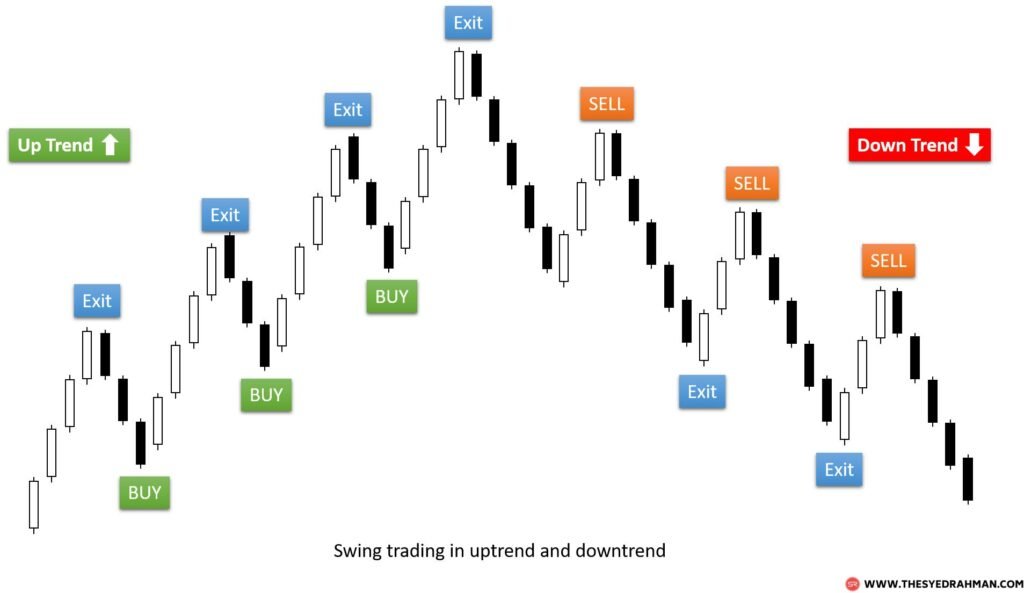
Fig 1.3 Support and resistance levels used for take profit strategy in forex
Conclusion
A successful take profit strategy is one of the most important elements of professional forex trading. Without a structured exit plan, traders often lose profits due to greed, hesitation, or emotional decision-making.
The best traders understand that consistency matters more than chasing massive wins. By combining smart profit targets with a disciplined stop loss strategy, traders can improve risk management, protect capital, and achieve sustainable growth over time.
Whether you are a beginner or an experienced forex trader, using technical analysis, realistic targets, and proper trade management can significantly improve your overall trading performance. A disciplined approach to exits not only increases profitability but also builds confidence and long-term trading discipline.