
Forex Market Advantages: Why Millions of Traders Choose Forex Trading
Introduction
The foreign exchange market has become one of the most popular financial markets in the world. Every day, traders, investors, banks, and institutions exchange currencies worth trillions of dollars. The increasing popularity of currency trading is mainly driven by the many forex market advantages that attract both beginners and experienced investors.
Unlike traditional investment options, forex trading offers flexibility, accessibility, and continuous opportunities. Many people enter the forex market because it allows them to trade from home, start with smaller capital, and access global markets 24 hours a day. These features make forex trading appealing for individuals who want financial growth, portfolio diversification, or an additional income source.
Another reason traders are attracted to forex is the availability of educational resources and advanced trading platforms. Modern technology has made forex trading easier than ever before. Today, anyone with a smartphone or laptop can access live currency charts, analyze price movements, and place trades instantly.
The global forex market also responds quickly to economic events, interest rates, inflation data, and geopolitical developments. This constant movement creates opportunities for traders who understand market analysis and risk management. Whether someone trades part-time or plans to build a full-time trading career, understanding the true forex trading benefits is essential before entering the market.

Fig 1.1 Professional forex market advantages and currency trading setup
Understanding the Forex Market
The forex market is a decentralized global marketplace where currencies are exchanged. Traders buy one currency while simultaneously selling another. Currency pairs such as EUR/USD, GBP/USD, and USD/JPY are among the most traded instruments in the market.
The value of currencies changes continuously because of economic conditions, government policies, political stability, and market demand. Traders attempt to profit from these price fluctuations by predicting whether a currency pair will rise or fall.
One of the biggest forex market advantages is that the market remains active five days a week for 24 hours each day. This continuous operation allows traders from different countries and time zones to participate according to their schedules.
Because forex trading involves global economies, traders also gain exposure to international financial developments. This makes the forex market both financially rewarding and educational for investors interested in world economics.
High Liquidity Makes Forex Trading Efficient
Liquidity is one of the strongest advantages of the forex market. Since trillions of dollars are traded daily, buyers and sellers are always available in the market. This allows traders to enter and exit positions quickly without significant price manipulation.
High liquidity improves trading efficiency because orders are executed faster. Traders can open or close positions with minimal delays, especially during major market sessions like London and New York. This feature is highly beneficial for short-term traders and scalpers who rely on quick price movements.
Another benefit of high liquidity is tighter spreads. Lower spreads reduce trading costs, helping traders maximize their profitability over time. Compared to smaller financial markets, the forex market generally offers smoother trading conditions and more stable execution.
The liquidity of the forex market also reduces the risk of extreme price gaps during normal market conditions. This creates a more predictable environment for technical and fundamental analysis.
Forex Trading Offers Flexible Trading Hours
One of the most attractive forex trading benefits is the ability to trade at almost any time of the day. Unlike stock markets that operate during fixed business hours, the forex market runs continuously across different international financial centers.
Trading begins in the Asian session, followed by London and New York sessions. Because these sessions overlap, traders can choose the most suitable trading hours based on their personal routines.
This flexibility is especially valuable for students, business owners, and working professionals who cannot trade during standard office hours. Many traders prefer forex because they can analyze markets and place trades in the evening or early morning without leaving their jobs.
The overlapping sessions also create periods of increased volatility and liquidity. During these times, traders often find stronger price movements and more trading opportunities.
Forex Session | Major Markets | Trading Characteristics |
Asian Session | Tokyo, Singapore | Lower volatility |
London Session | London | Strong market activity |
New York Session | New York | High liquidity |
London-New York Overlap | London & New York | Maximum trading volume |
Low Starting Capital Attracts Beginners
Traditional investment markets sometimes require large amounts of money to begin trading. Forex trading, however, allows individuals to start with relatively smaller investments. This accessibility is one of the key forex market advantages that continues to attract beginners worldwide.
Many forex brokers provide low minimum deposit accounts, making it easier for new traders to enter the market. Demo accounts also allow users to practice strategies using virtual money before trading with real capital.
The availability of online educational content has also contributed to the growth of forex trading. Traders can access webinars, tutorials, trading courses, and market analysis from anywhere in the world.
Because of these opportunities, beginners can gradually build their skills and confidence before increasing their investment size.
Leverage Increases Trading Opportunities
Leverage is another major reason traders are attracted to the forex market. It allows traders to control larger positions with smaller amounts of capital.
For example, leverage of 1:100 means a trader can control $10,000 with only $100 in trading capital. This increases potential profit opportunities and allows traders to participate more actively in the market.
However, leverage should always be used responsibly. While it can amplify profits, it can also increase losses if risk management is ignored. Successful traders focus on controlled risk exposure and avoid overleveraging their accounts.
Professional traders usually combine leverage with stop-loss orders and disciplined position sizing. This balanced approach helps them protect capital while maximizing trading opportunities.
Technology Has Made Forex Trading More Accessible
Modern technology has completely transformed the forex trading industry. Today, traders no longer need physical trading floors or expensive equipment to access financial markets.
Most brokers now offer advanced trading platforms with real-time charts, technical indicators, economic calendars, and mobile applications. Traders can monitor global markets from smartphones, tablets, or laptops from virtually anywhere in the world.
Mobile trading apps are particularly important because they provide flexibility and convenience. Traders can manage positions, analyze price movements, and receive market alerts instantly.
This digital accessibility is one of the modern forex trading benefits that continues to increase the popularity of forex trading among younger investors and online entrepreneurs.
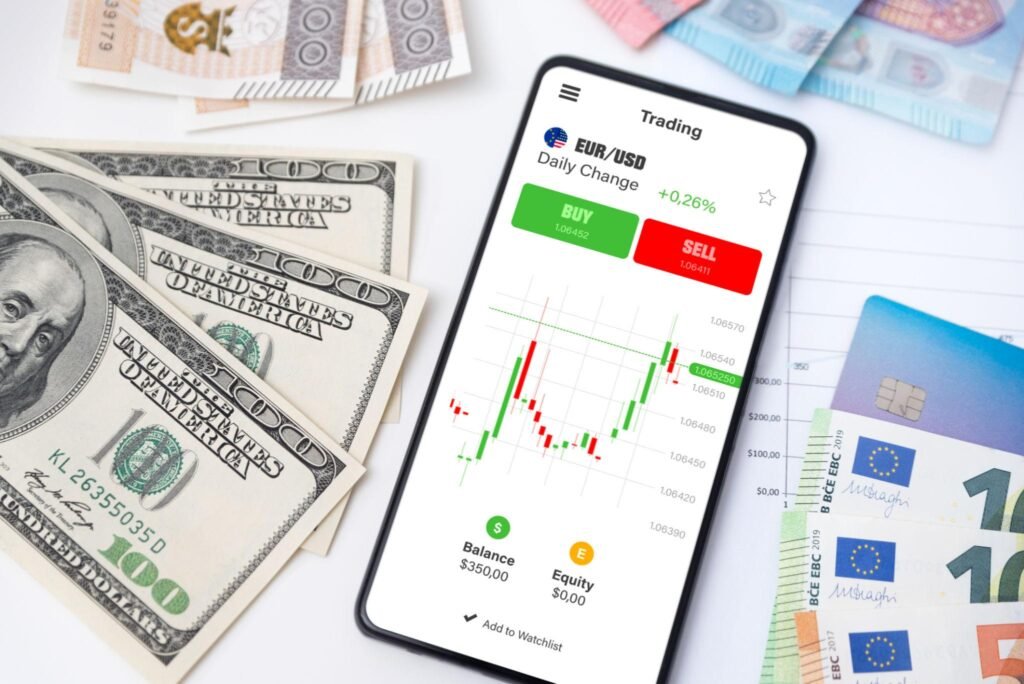
Fig 1.2 Mobile forex trading benefits using smartphone trading apps
Forex Trading Compared to Other Financial Markets
Many investors compare forex trading with stocks and cryptocurrency before choosing where to invest. While each market has advantages, forex offers a unique combination of liquidity, flexibility, and accessibility.
Feature | Forex Market | Stock Market | Cryptocurrency |
Trading Hours | 24/5 | Limited | 24/7 |
Liquidity | Extremely High | Moderate | Variable |
Volatility | Moderate | Moderate | Very High |
Entry Barrier | Low | Moderate | Low |
Regulation | Strong | Strong | Developing |
Compared to cryptocurrencies, forex trading is generally more regulated and less volatile. Compared to stock trading, forex offers longer trading hours and higher liquidity.
These advantages make forex suitable for traders who prefer flexibility and active market participation.
Risk Management in Forex Trading
Although there are many forex market advantages, successful trading requires proper risk management. The forex market can move quickly, and traders must protect their capital carefully.
Professional traders use stop-loss orders to limit losses and maintain disciplined trading behavior. Position sizing and risk-to-reward ratios are also important for long-term profitability.
Another important aspect of risk management is emotional control. Many beginner traders make mistakes because of fear or greed. Successful traders focus on strategy, patience, and consistency instead of emotional reactions.
Learning risk management techniques is essential for anyone who wants sustainable success in forex trading.
FAQ's
What are the biggest forex market advantages?
Why are forex trading benefits attractive to beginners?
Is forex trading better than stock trading?
How important is risk management in forex trading?
What makes the forex market different from cryptocurrency trading?
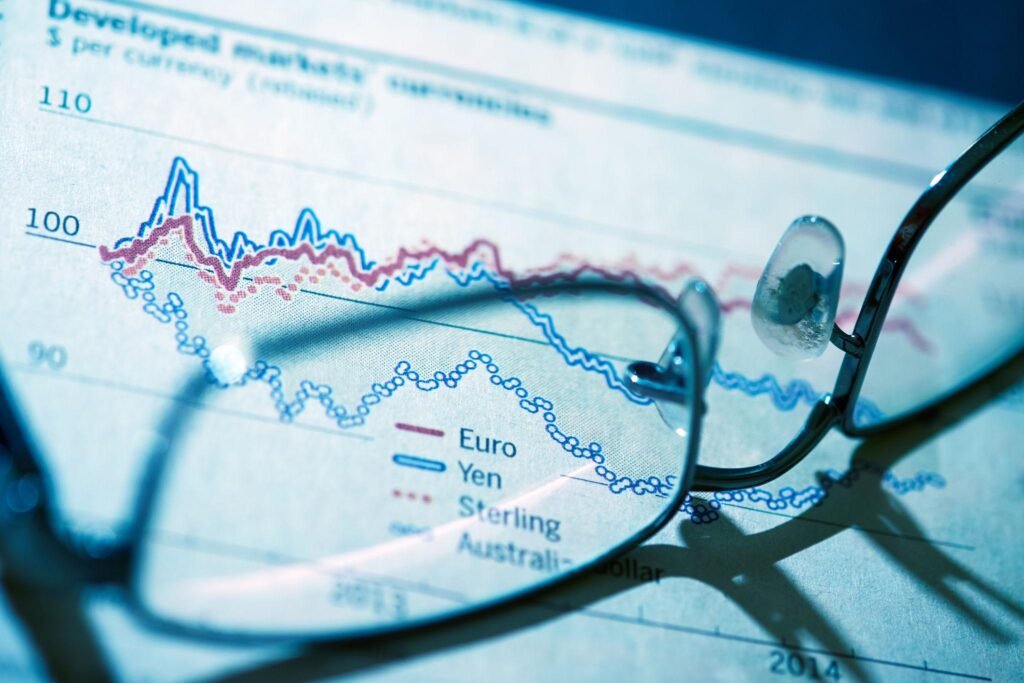
Fig 1.3 Comparison of forex market advantages with stocks and cryptocurrency
Final Thoughts
The comparison of day trading vs forex trading clearly shows that both trading styles offer unique advantages and challenges. Day trading is fast-paced, highly active, and requires constant attention to market movements. It is suitable for traders who prefer short-term opportunities and can handle emotional pressure in volatile conditions. On the other hand, forex trading provides a more flexible and globally accessible market environment where traders can operate 24 hours a day and benefit from both short-term and long-term opportunities.
When analyzing forex trading vs day trading, it becomes evident that success is not determined by the market itself but by the trader’s mindset, discipline, and risk management approach. Forex trading is often preferred for its accessibility and liquidity, while day trading attracts those who enjoy high-speed market activity and rapid decision-making.
Ultimately, choosing between day trading vs forex trading depends on your financial goals, capital size, and psychological readiness. Traders who focus on consistent learning, strategy development, and capital protection can succeed in either market. The key is not to chase profits aggressively but to build a sustainable trading system that works over time.