
Long-Term Crypto Investment: The Smartest Strategy for Sustainable Crypto Wealth
Introduction
Cryptocurrency has transformed from a niche digital experiment into one of the most discussed financial markets in the world. Millions of investors now view digital assets as a serious opportunity for wealth creation and portfolio diversification. While many traders attempt to profit from rapid market fluctuations through short-term crypto trading, experienced investors often focus on long-term crypto investment strategies to build sustainable financial growth over time.
The crypto market remains volatile, but long-term investors understand that volatility alone does not determine future value. Instead, they focus on blockchain innovation, institutional adoption, real-world utility, and long-term market trends. This approach reduces emotional decision-making and allows investors to benefit from the gradual growth of promising digital assets.
In recent years, Bitcoin, Ethereum, and several other blockchain projects have demonstrated how patient investors can achieve significant returns. However, successful long-term crypto investment is not simply about buying random coins and waiting. It requires research, strategic planning, portfolio management, and risk control.
This guide explains how long-term cryptocurrency investing works, why it has become increasingly popular, how it compares with short-term crypto trading, and what strategies investors should use to maximize long-term returns.

Fig 1.1 Professional long-term crypto investment strategy with cryptocurrency
What Is Long-Term Crypto Investment?
Long-term crypto investment refers to buying cryptocurrencies and holding them for several months or years with the expectation that their value will increase over time. Unlike active traders who constantly buy and sell based on short-term price movements, long-term investors focus on the future potential of blockchain technology and cryptocurrency adoption.
This investment approach is built on patience and long-term market confidence. Investors usually analyze the strength of a crypto project before investing. They evaluate factors such as development activity, token utility, adoption rates, market demand, security, partnerships, and future scalability.
Many investors prefer long-term investing because it reduces the pressure of daily market monitoring. Crypto prices often move unpredictably, and reacting emotionally to every price fluctuation can lead to poor financial decisions. Long-term investors instead focus on broader economic and technological trends that may influence the market over several years.
Another major reason why investors choose this strategy is the increasing institutional interest in cryptocurrency. Major financial firms, payment companies, and global corporations are gradually integrating blockchain technology into their systems. This growing adoption strengthens the long-term outlook for digital assets and increases confidence among investors seeking stable growth opportunities.
Why Long-Term Crypto Investment Is Growing Rapidly
The cryptocurrency market has matured significantly over the past decade. Earlier, many people considered crypto purely speculative. Today, digital assets are increasingly viewed as part of modern financial portfolios. This shift has encouraged more investors to adopt long-term crypto investment strategies rather than relying entirely on risky short-term crypto trading methods.
One major reason for this trend is market adoption. Blockchain technology is now used in decentralized finance, cross-border payments, smart contracts, gaming, healthcare, and supply chain management. As more industries adopt blockchain systems, the demand for reliable cryptocurrencies may continue to rise.
Another important factor is investor psychology. Constant trading can become emotionally exhausting. Short-term traders often react impulsively during periods of market volatility. In contrast, long-term investors focus on future growth rather than temporary price corrections. This approach can reduce stress and improve investment discipline.
Long-term investing can also minimize trading costs. Frequent buying and selling often lead to high transaction fees and tax complications. Holding assets for longer periods may simplify portfolio management while potentially increasing profitability over time.
Many successful crypto investors believe that long-term wealth is created through patience rather than constant speculation. Historical market cycles show that strong cryptocurrencies often recover after major downturns and eventually reach new highs.
Best Cryptocurrencies for Long-Term Investment
Choosing the right cryptocurrency is one of the most important decisions for investors. Not every project has long-term potential, which is why research and portfolio diversification remain essential.
Bitcoin (BTC)
Bitcoin continues to dominate the crypto market because of its strong brand recognition, limited supply, and institutional adoption. Many investors view Bitcoin as digital gold and consider it one of the safest options for long-term crypto investment.
Ethereum (ETH)
Ethereum has become the foundation of decentralized applications and smart contracts. Its ecosystem supports decentralized finance, NFTs, blockchain gaming, and enterprise applications. Ethereum’s continuous upgrades and strong developer activity make it highly attractive for long-term investors.
Solana (SOL)
Solana is known for its high transaction speed and lower fees. Its growing ecosystem and expanding adoption within decentralized finance and NFTs have increased its long-term investment appeal.
Chainlink (LINK)
Chainlink provides decentralized oracle services that connect smart contracts with real-world data. As blockchain applications continue expanding, demand for reliable data infrastructure may strengthen Chainlink’s future value.
Polygon (MATIC)
Polygon improves Ethereum scalability and transaction efficiency. Its partnerships and growing ecosystem make it a popular choice among investors seeking long-term blockchain exposure.
Investors should remember that diversification remains critical. Depending entirely on one cryptocurrency can increase risk exposure significantly.
Long-Term Crypto Investment vs Short-Term Crypto Trading
Many beginners struggle to decide between long-term crypto investment and short-term crypto trading. Although both approaches aim to generate profits, they require different skills, strategies, and risk tolerance.
Factor | Long-Term Crypto Investment | Short-Term Crypto Trading |
Investment Focus | Future growth potential | Daily or weekly price movement |
Risk Exposure | Moderate | High |
Time Requirement | Lower | Very high |
Stress Level | Lower | Higher |
Strategy Type | Fundamental analysis | Technical analysis |
Trading Frequency | Occasional | Frequent |
Short-term crypto trading can generate fast profits, but it requires continuous market monitoring and technical analysis expertise. Traders must react quickly to changing market conditions, which increases emotional pressure.
In contrast, long-term investors focus on long-term adoption and technological growth rather than short-term volatility. This approach may be more suitable for investors seeking steady wealth creation without constant market stress.
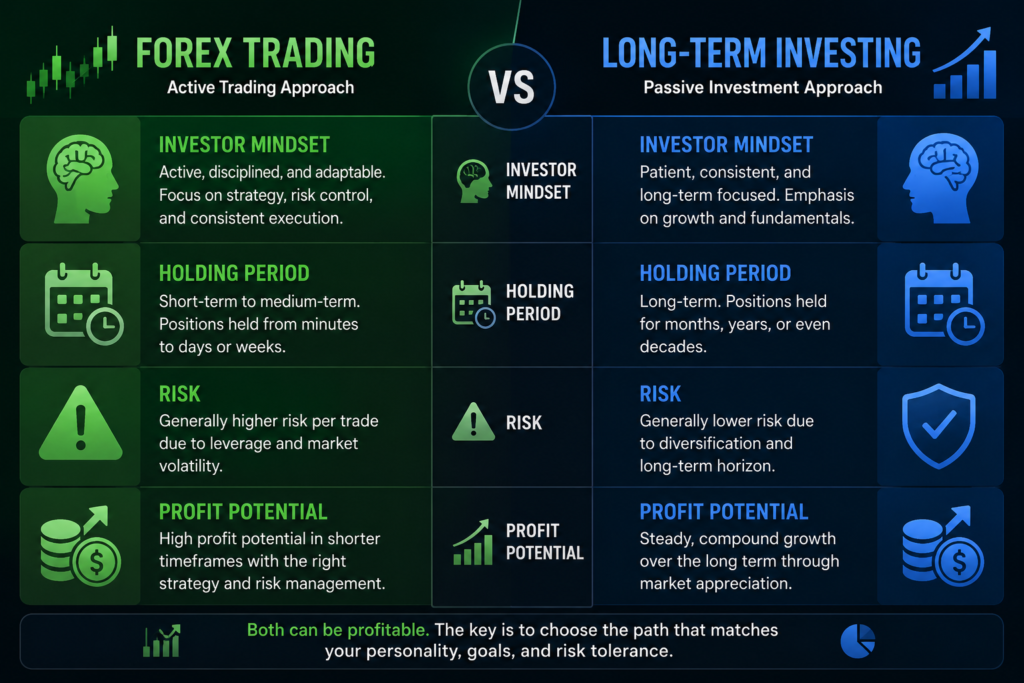
Fig 1.2 Comparison of long-term crypto investment and short-term crypto trading strategies
How to Build a Strong Long-Term Crypto Portfolio
A successful crypto portfolio should balance growth opportunities with risk management. Many investors make the mistake of investing emotionally or chasing trending cryptocurrencies without proper research.
Diversification is one of the most effective ways to reduce portfolio risk. Investors should allocate funds across multiple cryptocurrencies rather than depending entirely on one asset. Bitcoin and Ethereum often form the core of long-term portfolios because of their strong market positions and adoption levels.
Dollar-cost averaging is another effective strategy. Instead of investing all funds at once, investors buy cryptocurrencies regularly over time. This method reduces the impact of short-term volatility and helps create a more stable average purchase price.
Security should also remain a top priority. Investors should use secure wallets, strong passwords, and two-factor authentication to protect their digital assets from theft or cyberattacks.
Long-term investors should also review their portfolios periodically. Market conditions change, and certain assets may outperform others significantly over time. Rebalancing ensures that portfolio allocation remains aligned with financial goals.
Common Mistakes Investors Should Avoid
Many investors enter the crypto market without a proper strategy. Emotional decisions often lead to financial losses and unnecessary risk exposure.
One of the biggest mistakes is investing based on hype and social media trends. Just because a cryptocurrency becomes popular online does not guarantee long-term success. Investors should always analyze the project’s fundamentals and long-term viability.
Another common mistake is panic selling during market downturns. Cryptocurrency markets are highly volatile, and temporary price declines are common. Long-term investors understand that patience is often necessary for sustainable growth.
Ignoring security is another serious issue. Many investors lose funds because they fail to protect their wallets and private keys properly. Using trusted exchanges and hardware wallets can significantly improve asset security.
Overtrading is also dangerous. Some investors combine short-term crypto trading with emotional decision-making, leading to excessive losses. A disciplined investment plan helps reduce unnecessary risks and improve consistency.
The Future of Long-Term Crypto Investment
The future of cryptocurrency remains closely connected to blockchain innovation and global adoption. Governments, corporations, and financial institutions are gradually integrating digital assets into mainstream systems.
As blockchain technology expands into banking, healthcare, gaming, and international payments, the importance of long-term crypto investment may continue growing. Institutional adoption could increase market stability while encouraging wider acceptance among retail investors.
Regulatory clarity may also play a major role in future growth. Clearer regulations could improve investor confidence and attract more institutional capital into the crypto market.
Although volatility will likely remain part of the industry, long-term investors who focus on strong projects, diversification, and disciplined strategies may benefit significantly from future market expansion.
FAQ's
Is long-term crypto investment safer than short-term crypto trading?
Which cryptocurrency is best for long-term investment?
How much money should beginners invest in cryptocurrency?
Can long-term crypto investment generate passive income?
Is crypto still profitable in 2026?

Fig 1.3 Future growth of blockchain technology and long-term crypto investment
Final Thoughts
The cryptocurrency industry continues to reshape the modern financial landscape, creating new opportunities for investors seeking long-term growth and portfolio diversification. While many traders pursue fast profits through short-term crypto trading, experienced investors often recognize that sustainable wealth is usually built through patience, research, and disciplined investing strategies. Long-term crypto investment allows investors to focus on blockchain innovation, market adoption, and future utility instead of reacting emotionally to short-term price volatility.
Successful investing requires more than simply purchasing cryptocurrencies and waiting for prices to rise. Investors must understand market cycles, diversify their portfolios, secure their assets properly, and stay informed about industry developments. Bitcoin, Ethereum, and other fundamentally strong projects continue attracting attention because of their growing ecosystems and long-term adoption potential.
Although risks remain part of the cryptocurrency market, disciplined investors who follow structured investment strategies may position themselves for substantial future opportunities. As blockchain technology expands into multiple industries worldwide, the long-term potential of digital assets could continue increasing significantly. Investors who combine patience, education, and strategic decision-making are more likely to navigate market volatility successfully and build sustainable financial growth over time.