
Gold has fascinated traders for as long as markets have existed, and in the modern era XAUUSD is one of the most actively traded and explosive instruments on any platform. Its powerful trends and large daily ranges promise real opportunity, yet the very same volatility destroys unprepared accounts with startling speed. A reliable xauusd trading strategy is therefore not a luxury but a necessity for anyone who wants to trade gold seriously. This guide lays out a complete approach — how to read the trend, time your entries, choose the right sessions, and above all manage risk — so you can engage with gold using structure rather than hope.
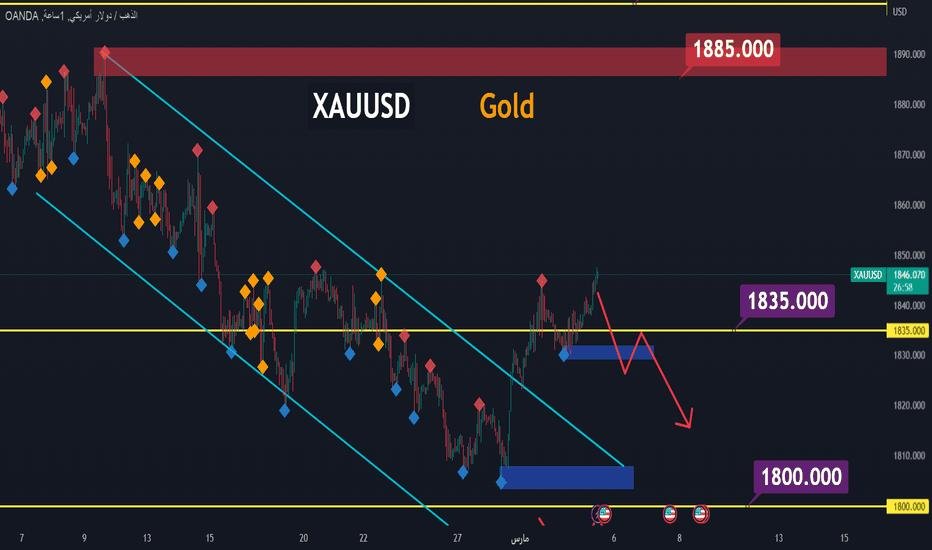
Fig 1.1 XAUUSD trading strategy hero image of a gold price chart
What Is a XAUUSD Trading Strategy?
A xauusd trading strategy is a structured, repeatable plan for trading gold against the US dollar, which is one of the most popular and most volatile instruments available to retail traders anywhere. Gold moves quickly, trends powerfully once it commits to a direction, and reacts sharply to economic news, and that combination of qualities is exactly what makes XAUUSD so appealing and, at the same time, so dangerous to the unprepared.
Traders are drawn to gold for a simple reason: it offers large daily ranges and clean, sustained trends during active sessions, which means a single well-timed trade can produce a meaningful return. The very same characteristics, however, punish careless traders without mercy. A position sized for a calm currency pair can be devastating on gold, and a stop placed too tightly will be knocked out by ordinary noise before the real move even begins. For that reason, a defined strategy backed by strict risk rules is not a nice-to-have on gold; it is the price of admission.
The objective of any sound gold strategy is therefore threefold and refreshingly simple to state: trade gold’s strong moves in the direction of the prevailing trend, time your entries at genuine high-probability levels rather than chasing extended candles, and protect your capital relentlessly with disciplined risk management. Master those three principles, and gold transforms from a source of painful surprises into one of the most rewarding instruments a trader can engage with. The sections below build out each part of that approach in detail.
Why Gold Behaves Differently
Learning how to trade gold in forex begins with understanding what actually drives the metal, because gold does not behave like an ordinary currency pair. Gold is the classic safe-haven asset, which means it tends to rise when fear, inflation, or weakness in the US dollar grips the market, and it tends to fall when confidence returns and bond yields climb. Money flows into gold when investors are anxious and out of it when they feel secure, and that emotional dimension gives the metal a character all its own.
This safe-haven status makes gold acutely sensitive to a specific cluster of fundamental drivers: interest rate decisions from major central banks, inflation data, the strength or weakness of the dollar, and geopolitical events that frighten markets. A single unexpected headline or data release can spark a violent, fast move in gold that dwarfs anything you would normally see in a major currency pair, which is precisely why experienced gold traders keep one eye permanently on the economic calendar.
Beyond its sensitivity to news, gold has a well-earned reputation for trending cleanly once a move is underway, rewarding traders who align themselves with momentum rather than fighting it. The flip side of all this energy is that gold’s volatility forces a different risk approach: wider but logical stops to survive the natural swings, and correspondingly smaller positions so that those wider stops never translate into oversized losses. Internalizing this difference is the single most important mental adjustment a trader coming from calmer pairs must make.
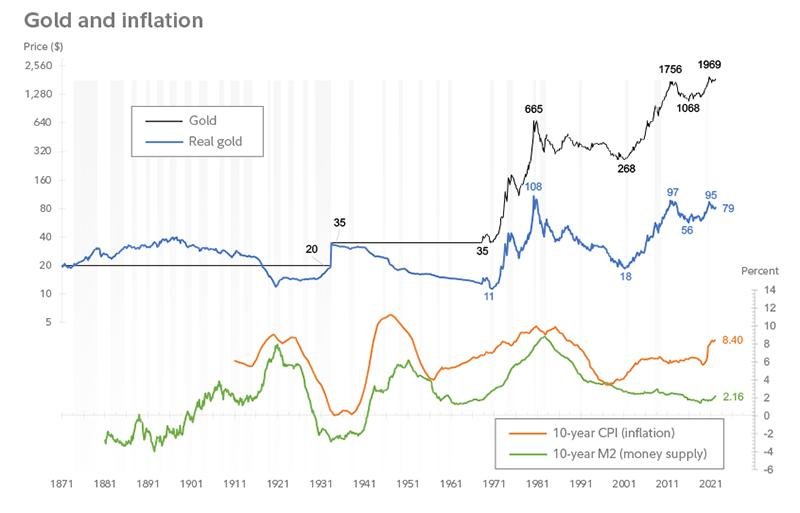
Fig 1.2 How to trade gold in forex infographic of safe-haven and US dollar drivers
How to Trade XAUUSD Step by Step
Knowing how to trade xauusd well ultimately comes down to following a clear, repeatable process rather than reacting impulsively to every flicker on the chart. The framework described here works well on the 15-minute and 1-hour charts during high-liquidity hours, which is where gold’s moves are at their cleanest and most tradeable. The process has three stages, and skipping any one of them tends to lead directly to a poor trade.
The first stage is to identify the dominant trend, using either a pair of moving averages or a simple reading of market structure through higher highs and higher lows. Trading in the direction of that established trend dramatically improves your win rate on a volatile instrument like gold, because you are flowing with the market’s prevailing energy rather than betting against it. Counter-trend trades on gold are possible, but they are an advanced skill that punishes the impatient, so beginners are far better served by sticking with the trend.
The second stage is to wait for price to reach a genuine high-probability level rather than entering at random. The best entries appear when price pulls back to a clear support or resistance zone, a meaningful round number, or a rising or falling moving average within the trend. The third and final stage is the trigger: you enter only when a confirming candle, such as a pin bar or engulfing candle, prints in the trend direction at your chosen level. From there you place a stop beyond the level, deliberately wide enough to survive gold’s noise, and you target a reward of at least twice your risk. This patient, three-stage approach keeps you out of the low-quality, impulsive trades that drain most gold accounts.
Best Sessions and Timeframes for Gold
Gold trades for nearly the entire day, but it most certainly does not move equally well at all hours, and recognizing this is one of the easiest ways to improve your results. The best opportunities cluster firmly within the London session and, above all, the overlap between London and New York, when liquidity and volatility reach their daily peak. During these windows gold produces the cleanest, most sustained, and most tradeable moves, while spreads tend to be at their tightest.
By contrast, the quiet hours, particularly the late Asian session, frequently produce choppy, directionless price action that frustrates traders and chops up tight stops for no reward. Simply aligning your trading routine with the active sessions, and stepping away during the dead ones, will improve both your win rate and your peace of mind. The table below maps the common gold trading styles to their most suitable timeframes and typical holding periods.
| Style | Best Timeframe | Typical Hold |
|---|---|---|
| Scalping | 1m – 5m | Seconds to minutes |
| Day trading | 15m – 1h | Minutes to hours |
| Swing trading | 4h – Daily | Days to weeks |
Most gold day traders find a comfortable rhythm by reading the 1-hour chart to establish their directional bias and then dropping to the 15-minute chart to time precise entries. Higher timeframes generally produce cleaner signals with far less noise, which is exactly why beginners are strongly encouraged to start there and resist the temptation of the frantic one-minute chart until their discipline is genuinely proven.
Indicators and the Wisdom of Keeping It Simple
Gold responds best to a small, complementary toolkit rather than a chart buried under a dozen conflicting indicators. Moving averages do the heavy lifting by defining trend direction and providing dynamic support and resistance that keeps you on the right side of the move. A single momentum tool, such as the RSI or the MACD, then helps confirm entries and warn of exhaustion, while clearly drawn support and resistance levels mark the precise zones where price is most likely to react. When these signals line up together, you have the kind of confluence that produces gold’s highest-probability trades.
This preference for simplicity is not merely a matter of taste; it is supported by serious analysis of how technical methods actually perform. In the influential study “Foundations of Technical Analysis,” the researchers Andrew Lo, Harry Mamaysky, and Jiang Wang applied rigorous statistical methods to common chart patterns and concluded that several of them do carry genuine, measurable informational value. The lesson for a gold trader is to lean on a few well-understood, evidence-backed tools rather than chasing an ever-growing collection of exotic indicators that only slow your decisions.
The point is reinforced by one of the most famous lines in trading, attributed to the legendary Jesse Livermore: “The big money is in the waiting.” On gold, where the temptation to overtrade is constant because something always seems to be happening, the discipline to wait patiently for your few clean, confluent setups is itself a powerful edge. A simple chart and a patient temperament will, over time, beat a cluttered chart and an itchy trigger finger.
Risk Management for Gold Traders
Gold’s volatility makes risk management not just important but absolutely non-negotiable, and it is the single area where most aspiring gold traders fail. Because price can move so far and so fast, your stop loss must sit at a genuinely logical level with enough room to survive the instrument’s normal swings, and the only way to keep that wider stop affordable is to reduce your position size accordingly. The two decisions are inseparable: a wider stop demands a smaller position, and getting that relationship wrong is what blows accounts.
The cornerstone of the whole approach is to risk only a small, fixed percentage of your account on any single trade, with one percent being a sensible figure for most traders. When a losing trade costs you only one percent, no single move, however violent, can seriously damage your account, and that protection keeps you calm precisely when gold’s volatility is at its most frightening. Always calculate your position size from your stop distance rather than the other way around, so that your dollar risk stays constant no matter how wide the chart forces your stop to be.
Finally, treat the economic calendar as part of your risk management rather than an afterthought. Trading gold blindly into a major news release is one of the fastest ways to suffer a painful, unexpected loss, because the volatility around announcements can blow straight through even a well-placed stop. Either stand aside around high-impact events or trade them only with a specific, tested plan built for that environment. Discipline of this kind is not glamorous, but it is exactly what separates the gold traders who last from those who flame out.
Frequently Asked Questions
1. What is the best XAUUSD trading strategy?
The best xauusd trading strategy combines disciplined trend-following with high-probability entries and strict risk management. In practice that means identifying the dominant trend, waiting patiently for a pullback or breakout at a genuine key level, entering only on a confirming candle, and using a deliberately wider stop with a correspondingly smaller position to handle gold’s volatility. Targeting at least twice your risk keeps you profitable even with a moderate win rate. As with any approach, you should test it thoroughly on a demo account before risking real capital.
2. How do I trade XAUUSD as a beginner?
To learn how to trade xauusd safely, start on higher timeframes such as the 1-hour chart, where the signals are cleaner and your decisions are far less rushed. Trade only in the direction of the trend, mark the key support and resistance levels in advance, and enter only on confirming candles at those levels. Always use a wider stop and a small position because gold is so volatile. Above all, practise consistently on a demo account until your results are reliable before you trade real money.
3. How is trading gold different from trading currency pairs?
Learning how to trade gold in forex means respecting gold’s far higher volatility and its safe-haven behaviour. Gold often rises on fear, inflation, or dollar weakness and reacts violently to news, producing daily ranges that dwarf those of calm currency pairs. This reality demands wider but logical stops, smaller positions, and constant attention to the economic calendar. The underlying technical skills transfer directly from forex, but gold forces a tighter, more cautious approach to risk than most pairs require.
4. What is the best time to trade gold?
The best opportunities cluster firmly within the London session and, especially, the overlap between London and New York, when liquidity and volatility peak and gold moves most cleanly. The quiet hours, particularly the late Asian session, tend to produce choppy, frustrating, directionless action. Aligning your trading with these active windows improves both your results and your focus. You should avoid trading straight into major news releases unless you have a specific, tested plan for handling the volatility they create.
5. Which indicators work best for XAUUSD?
Gold responds well to a small, focused toolkit rather than a cluttered chart: moving averages for trend direction, a single momentum tool such as the RSI or MACD for confirmation, and clearly drawn support and resistance levels. When these signals align, they produce gold’s strongest, highest-probability setups. Avoid loading the chart with too many indicators, which only slows your decisions on a fast-moving instrument. Keeping it simple and trading firmly with the trend is consistently the wiser approach.
6. How do I manage risk when trading gold?
Because gold is so volatile, you should place your stop at a logical level with enough room to survive normal swings, then deliberately size the position smaller so your dollar risk stays controlled. Risk only a small fixed percentage per trade, typically one percent, so no single move can damage your account. Always calculate position size from your stop distance, and respect the news calendar by standing aside around high-impact events. Disciplined risk control of this kind is precisely what keeps gold traders consistent over the long run.
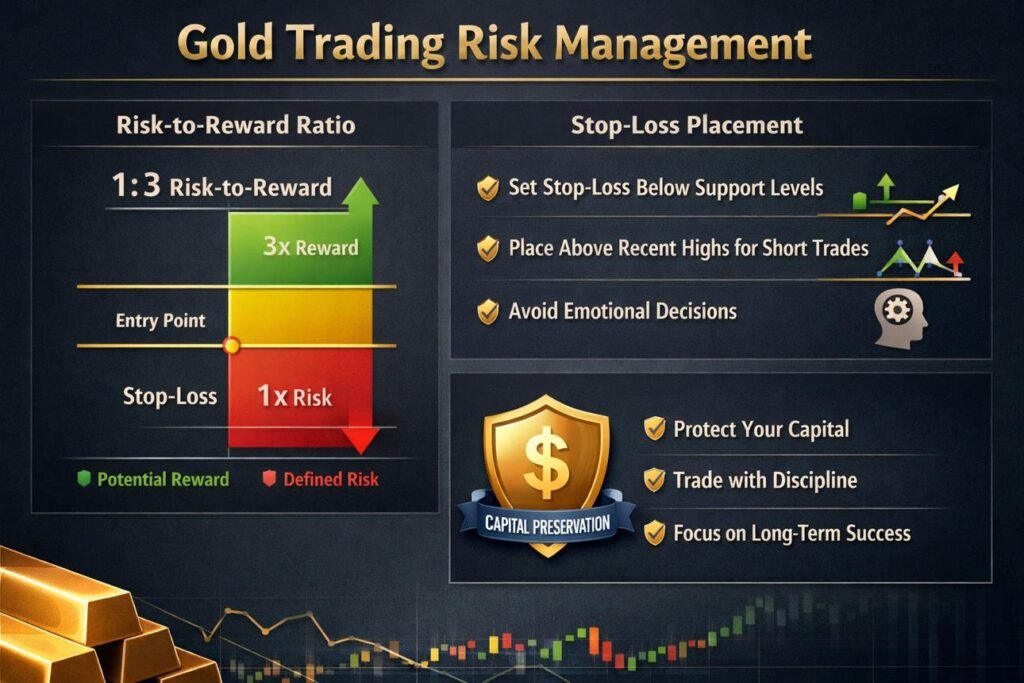
Fig 1.3 XAUUSD risk management with wider stops and smaller positions
Final Thoughts
A disciplined xauusd trading strategy can make gold one of the most rewarding instruments you ever trade, but that reward is reserved entirely for those who respect the metal’s formidable volatility. Gold moves fast, trends cleanly, and reacts sharply to inflation data, interest rate decisions, and geopolitical headlines because of its enduring safe-haven status, and those very qualities create both the large opportunities and the equally large risks that define it. Learning how to trade xauusd well comes down to a patient, repeatable process: read the higher-timeframe trend, wait for a genuine pullback or breakout at a meaningful level, enter only on confirmation, and concentrate your trading in the high-liquidity London and New York sessions where gold’s moves are at their cleanest. Understanding how to trade gold in forex also means embracing tighter risk control than any calm currency pair would ever require — wider but logical stops, deliberately smaller positions, a small fixed risk per trade, and unbroken awareness of the economic calendar. Lean on a simple, evidence-backed toolkit of moving averages, a single momentum indicator, and clean support and resistance, aim for at least a two-to-one reward, and remember Livermore’s reminder that the big money is in the waiting. Treat your demo account as a genuine training ground, prove your consistency before risking real money, and approach gold with structure and discipline. Do that, and its strong, sustained moves become a dependable source of opportunity rather than a series of painful, avoidable surprises.