
Most trading strategies make money only when price moves in your favour, but the carry trade is different: it can pay you simply for holding a position. A forex carry trade strategy harnesses the interest rate difference between two currencies, letting you collect a steady stream of income night after night while you wait for the exchange rate to cooperate. This guide explains exactly how the carry trade works, why interest rate differentials drive it, how to build a sensible approach, and, just as importantly, how to manage the very real risks that have caught out so many over-eager traders.
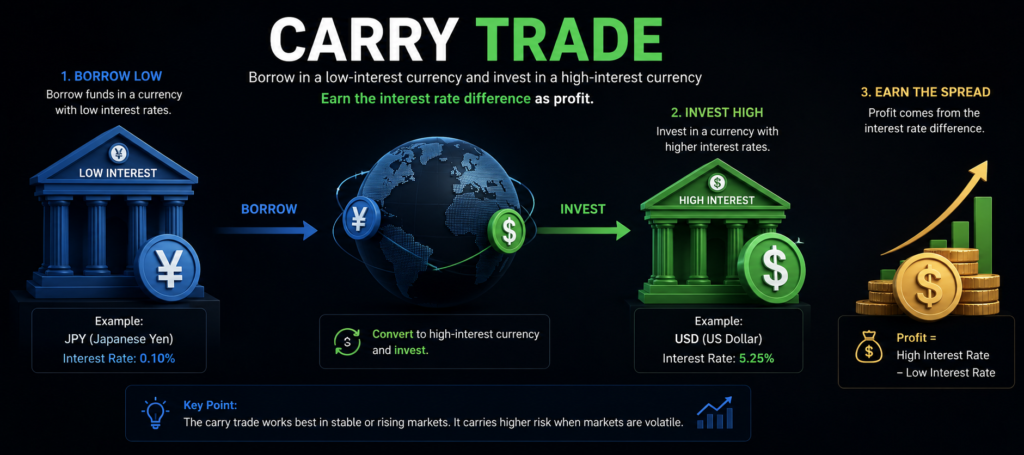
Fig 1.1 Forex carry trade strategy daily swap
What Is a Forex Carry Trade Strategy?
A forex carry trade strategy seeks to profit from the difference in interest rates between two currencies. You buy a currency from a country with a higher interest rate while simultaneously selling one from a country with a lower rate, and as long as you hold the position, you earn the difference in the form of a daily swap or rollover credit. In effect, the market pays you to hold the trade.
This is fundamentally different from most strategies, which depend entirely on price movement for their profit. The carry trader has two potential sources of return: the steady interest income from the rate differential, and any favourable movement in the exchange rate itself. When both work together, the returns can be attractive and remarkably smooth during calm, trending markets.
The mechanism rests on a simple reality of the currency market. Every pair involves two currencies, each carrying an interest rate set by its central bank, and when you hold a position overnight your broker applies an adjustment reflecting that differential. Hold the higher-yielding currency and you typically receive a credit; hold the lower-yielding one and you pay. The carry trader deliberately positions to be on the receiving side of that equation.
Why Interest Rate Differentials Drive It
Understanding interest rate forex trading begins with central banks, whose policy decisions set the interest rates that ultimately power the carry trade. When one country’s central bank holds rates high to combat inflation while another keeps rates near zero to stimulate growth, the gap between them creates exactly the differential a carry trader seeks to harvest. The wider and more stable that gap, the more attractive the carry.
Capital naturally flows toward yield, and this flow reinforces the trade. Investors around the world move money from low-yielding currencies into high-yielding ones in search of better returns, and that demand tends to push the higher-yielding currency higher, adding capital gains on top of the interest income. For a period, the carry trade can feel almost effortless, which is precisely what makes it seductive and, ultimately, dangerous.
The classic carry pairs reflect these dynamics, typically combining a higher-yielding commodity or emerging-market currency with a traditional low-yielding funding currency. The exact pairs shift as central bank policies change over time, so a carry trader must stay attuned to the global interest rate landscape rather than assuming yesterday’s favourite pair still pays today. Forex carry trading is, at its core, a continuous reading of the world’s interest rate map.

Fig 1.2 Forex carry trading chart pairing a positive swap
How to Build a Carry Trade Approach
A sensible carry trade approach starts with identifying a pair that offers a meaningful and stable positive interest rate differential, then confirming that holding the higher-yielding currency earns a positive swap with your specific broker. Swap rates vary between brokers and are adjusted periodically, so verifying the actual credit you will receive is an essential first step rather than an afterthought.
The smartest carry traders do not rely on interest alone; they combine carry with trend. Entering a positive-carry position only when the broader trend also favours the higher-yielding currency stacks two edges together, the steady swap income and the potential for capital appreciation. This combination dramatically improves the risk profile compared with blindly holding a carry position regardless of price direction, which can leave you collecting small daily credits while a falling exchange rate quietly erases them many times over.
Timeframe and patience define the strategy. The carry trade is inherently a longer-term, position-style approach, because the swap income accumulates slowly over weeks and months rather than minutes. The table below summarises the core elements a carry trader weighs before committing to a position.
| Element | What to Consider |
|---|---|
| Pair selection | Wide, stable positive rate differential |
| Swap check | Confirm positive swap with your broker |
| Trend alignment | Hold carry only with a supportive trend |
| Timeframe | Position trading over weeks to months |
| Risk control | Modest leverage and a defined exit plan |
Because central bank policy and swap rates change, the carry trader must periodically reassess whether a position still earns its keep, rather than holding on out of habit.
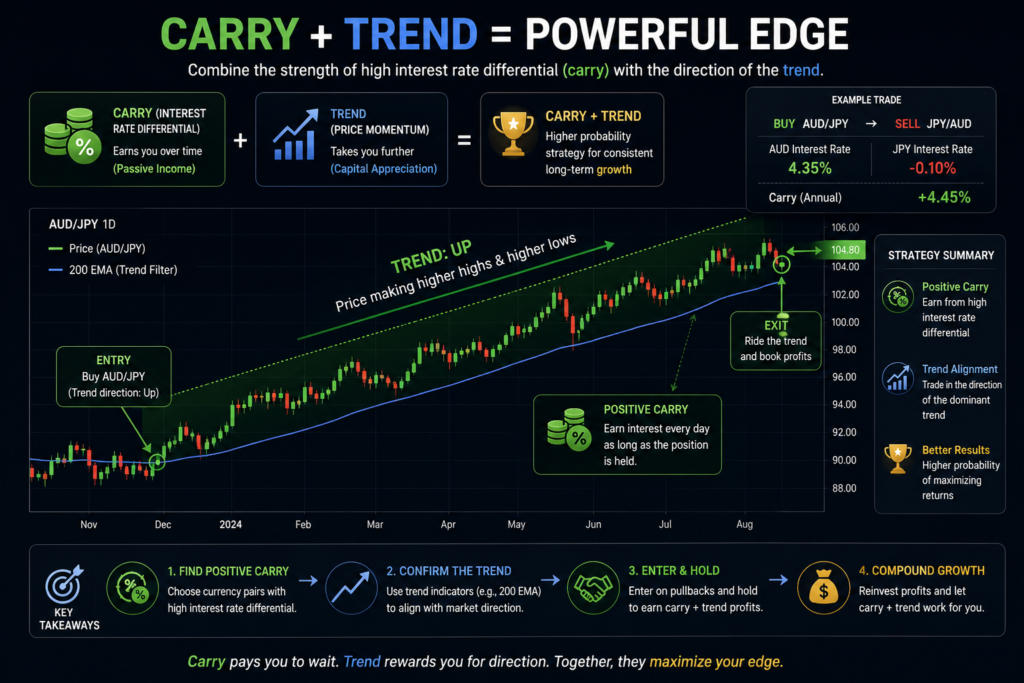
Fig 1.3 Forex carry trade strategy steady gains
What Top Traders and Research Say About the Carry Trade
The carry trade is one of the most studied phenomena in all of finance, and the research carries a crucial warning alongside its appeal. The influential paper “Carry Trades and Currency Crashes” by Markus Brunnermeier, Stefan Nagel, and Lasse Pedersen documented a striking pattern: carry trades tend to earn steady, modest profits for long stretches, punctuated by sudden, violent losses when market sentiment shifts to risk aversion and the trade unwinds. The authors memorably described carry returns as going “up by the stairs and down by the elevator.”
That research explains why the carry trade demands respect rather than complacency. During calm periods the steady income lulls traders into oversized positions, and then a sudden flight to safety sends capital rushing out of high-yielding currencies all at once, producing sharp drops that can wipe out months of accumulated swap in days. Understanding this asymmetry is the single most important lesson for any aspiring carry trader.
The wisdom of patient investing applies directly here, and Warren Buffett captured it well: “Someone’s sitting in the shade today because someone planted a tree long ago.” The carry trade rewards the patient planter who collects income steadily over time, but only if that patience is paired with the discipline to size positions modestly and exit before the elevator arrives. Income earned slowly can be lost quickly, and respecting that truth is what separates the durable carry trader from the casualty.
Managing the Risks of Carry Trading
Risk management is not optional in carry trading; it is the difference between a reliable income stream and a catastrophic loss. The foremost rule is modest leverage. Because the carry trade tempts traders with the prospect of “free” daily income, the urge to amplify it with heavy leverage is strong, but that same leverage turns a normal adverse move into an account-ending one when sentiment shifts. Keeping leverage conservative preserves your ability to weather the inevitable turbulence.
A defined exit plan is equally vital. The carry trade’s signature danger is the sudden unwind during risk-off events, so you must decide in advance how you will respond to a sharp adverse move, whether through a stop loss, a reduction in position size, or an exit when the supportive trend breaks. Trading a carry position without such a plan is exactly how traders give back many months of patient income in a single, frightening session.
Finally, stay attentive to the macro environment. Carry trades thrive in calm, risk-seeking markets and suffer in fearful, risk-averse ones, so an awareness of broad market sentiment and the economic calendar is part of the strategy rather than an extra. The carry trade is not a set-and-forget income machine; it is a position that earns steadily only as long as you actively respect its risks and remain ready to step aside when conditions turn.
Frequently Asked Questions
What is a forex carry trade strategy?
A forex carry trade strategy profits from the interest rate difference between two currencies. You buy a higher-yielding currency while selling a lower-yielding one, earning a daily swap credit for as long as you hold the position. You can profit from both the steady interest income and any favourable exchange-rate movement. It is fundamentally different from most strategies because it can pay you simply for holding, though it carries real risks during market stress that demand careful management.
How does interest rate forex trading work?
Interest rate forex trading centres on central bank policy, which sets the rates that create the differentials carry traders harvest. When one currency carries a high rate and another a low rate, holding the high-yielding one against the low-yielding one earns the difference as a daily swap credit. Capital tends to flow toward higher yield, which can also lift the exchange rate. Because central banks change rates over time, the most attractive carry pairs shift accordingly.
Which pairs are best for the carry trade?
The classic carry pairs combine a higher-yielding currency with a traditional low-yielding funding currency, but the exact best pairs depend entirely on the current interest rate landscape, which changes as central banks adjust policy. Rather than memorising a fixed list, a carry trader monitors global rates and confirms the actual positive swap with their broker. Pairs with a wide, stable differential and reasonable liquidity make the most sensible candidates for forex carry trading.
Is the carry trade risky?
Yes, the carry trade carries a distinctive and serious risk: the sudden unwind. Research shows carry returns tend to rise steadily for long periods and then fall sharply during risk-off events, as capital rushes out of high-yielding currencies all at once. This means months of accumulated swap income can be lost in days. The carry trade is not free money; it demands modest leverage, a defined exit plan, and constant attention to market sentiment.
How do I manage risk in carry trading?
Use modest leverage, because the temptation to amplify “free” income with heavy leverage is exactly what turns a normal adverse move into a disaster. Maintain a defined exit plan for sharp risk-off moves, whether a stop loss or a trend-based exit. Combine carry with a supportive trend so you have two edges rather than one, and stay attentive to the macro environment, since carry trades suffer when markets turn fearful. Active risk management is inseparable from the strategy.
Can beginners use the carry trade strategy?
Beginners can learn the carry trade, but they should approach it with particular caution because its steady income masks a real tail risk. The biggest danger for a newcomer is treating it as effortless free money and using heavy leverage, which the sudden unwind punishes severely. Starting with modest size, combining carry with trend, verifying swaps with the broker, and keeping a clear exit plan are essential. Demo practice first is, as always, the smartest preparation.
Final Thoughts
A well-managed forex carry trade strategy offers something genuinely rare in trading: the ability to earn a steady income simply for holding a position, on top of any favourable exchange-rate movement. By buying a higher-yielding currency against a lower-yielding one, the carry trader harvests the interest rate differential as a daily swap credit, and when that income is paired with a supportive trend, two edges combine into an attractive, relatively smooth return during calm markets. Yet the same calm that makes forex carry trading feel effortless is precisely what lulls traders into the oversized positions that the strategy’s signature danger, the sudden risk-off unwind, then punishes without mercy. The research of Brunnermeier, Nagel, and Pedersen makes the warning unmistakable: carry returns rise by the stairs and fall by the elevator, and Warren Buffett’s reminder about the patient planter applies only to those who also know when to step aside. Verify your swaps with your broker, size your positions conservatively, treat the carry as a position to be actively managed rather than a machine to be left alone, and practise on a demo account first.