
While the bulk of the retail proprietary trading boom has centred on the forex market, a distinct and serious segment focuses instead on the futures markets, and Earn2Trade is one of the more established and respected names there. This earn2trade review examines how the firm combines a structured evaluation with genuine trader education, what makes a futures prop firm fundamentally different from its forex counterparts, and how prop trading futures actually works for a trader trying to reach and keep a funded account. The goal is to give you a grounded, realistic understanding of the model, its genuine strengths, and its real trade-offs. With that, you can judge whether a futures-focused, education-led firm fits your ambitions, rather than simply following the crowd toward whichever firm happens to be loudest this month.

Fig 1.1 Earn2trade review graphic
What Is Earn2Trade?
Earn2Trade is a company that offers futures traders a path to funding through an evaluation program, paired with an emphasis on trader education. Rather than positioning itself purely as a challenge vendor, it has historically combined the funding pathway with learning resources, reflecting a philosophy that durable trading success rests on genuine skill rather than luck. Traders pay for an evaluation program, demonstrate consistent performance within risk rules on a simulated futures account, and on passing gain access to a funded account where they share in the profits they generate.
The firm’s futures orientation gives it a different character from the forex-dominated prop world. Futures are exchange-traded, centrally cleared contracts on instruments such as stock indices, energies, metals, and interest rates, and they carry standardised contract sizes and transparent, regulated pricing. This means the trading environment, the instruments, and the risk dynamics differ meaningfully from spot forex, and a firm operating here must structure its evaluation around the realities of futures markets rather than borrowing forex conventions wholesale.
As with the entire prop sector, the specific program names, fees, profit splits, and rules at Earn2Trade change over time and should be verified on the official website before committing. The sector is also subject to evolving regulatory attention, particularly in the United States where futures fall under established oversight, so current terms and the firm’s operating arrangements are worth confirming directly. This review concentrates on the durable structure: how a futures-focused, education-led model works and how to judge its fit.
How Prop Trading Futures Differs
Understanding prop trading futures starts with appreciating how futures differ from forex as a trading vehicle. Futures contracts are traded on regulated exchanges with centralised clearing, which brings transparency and uniform contract specifications but also fixed contract sizes that make position sizing more discrete than the flexible lot sizing of forex. Margin, tick values, and the cost of a single contract vary by instrument, so risk per trade is governed by how many contracts you hold and the tick value of the instrument, a different mental model from pip-based forex risk.
The instruments themselves shape strategy. Popular futures markets include equity index contracts, which track stock indices and tend to be highly liquid during their cash-session hours, alongside energy, metal, and interest-rate contracts each with their own behaviour and active periods. This means session timing and instrument selection matter a great deal, and a futures prop trader often concentrates on one or two instruments they understand deeply rather than spreading across many. The discipline of mastering an instrument’s rhythm is central to the craft.
For traders coming from forex, the transition requires genuine adjustment rather than a simple relabelling. Risk management translates conceptually, always sizing so a normal losing streak stays clear of the loss limits, but the mechanics differ, and the regulated, exchange-traded nature of futures brings both reassurance and rigidity. A futures prop firm like Earn2Trade pairs its funding pathway with education precisely because this learning curve is real, and respecting it is the difference between a smooth path to funding and a costly, confused one.

Fig 1.2 Futures prop firm versus forex
The Evaluation and Education Model
Earn2Trade’s evaluation asks traders to reach a profit target on a simulated futures account while respecting drawdown and daily loss rules, the same fundamental filter used across the prop industry but applied to futures contracts and their specific risk parameters. The combination with structured education is the firm’s distinguishing feature: rather than handing a trader a challenge and wishing them luck, the model provides learning resources intended to build the skills the evaluation tests, which suits traders who want to develop rather than gamble.
This education-led approach has clear appeal for newer futures traders, because the learning curve in futures is steep and the cost of learning by trial and error on a live account is high. A structured program that teaches the mechanics of contracts, margin, and risk alongside the funding pathway can compress that learning and reduce expensive mistakes. The trade-off is that education is no substitute for screen time and a genuinely tested edge; resources can accelerate learning but cannot manufacture the discipline and pattern recognition that only practice builds.
| Factor | What to Check | Why It Matters |
|---|---|---|
| Market focus | Futures vs forex | Different instruments and risk model |
| Evaluation rules | Target, drawdown, daily limit | Decides strategy compatibility |
| Education | Quality and relevance | Accelerates the futures learning curve |
| Profit split & payouts | Share and reliability | Determines real, dependable take-home |
| Regulation/terms | Current operating conditions | Verify on the official site |
What Top Traders and Research Say
The evidence on retail trading explains why an education-led model has merit. The study “Trading Is Hazardous to Your Wealth” by Brad Barber and Terrance Odean found that the most active retail traders underperformed, driven by overtrading and overconfidence, and futures, with their leverage and fast-moving instruments, can amplify exactly these tendencies. A model that pairs funding with education is, in principle, trying to address the root cause the research identifies, building skill and discipline rather than simply selling access to leverage.
Experienced futures traders consistently stress process and risk control. The trader and author Linda Raschke, well known for her work on futures and short-term trading, has long emphasised that consistency comes from a defined, repeatable methodology executed with discipline. And the legendary trader Paul Tudor Jones, who built his reputation in futures, captured the core priority when he said, “The most important rule of trading is to play great defense, not great offense.” In futures, where contract sizes and leverage can punish a careless position quickly, defensive risk management is not optional but foundational.
Pros, Cons, and Who It Suits
The strengths of Earn2Trade lie in its focused niche and educational emphasis: a genuine futures prop firm for traders drawn to exchange-traded, regulated instruments, a funding pathway paired with structured learning that suits developing traders, and the transparency that comes with futures’ centralised, standardised nature. For a trader committed to mastering futures, the combination of education and a funding route can be a coherent, supportive package rather than a bare challenge.
The weaknesses deserve honest acknowledgement. Futures carry their own steep learning curve and discrete, sometimes unforgiving position sizing, the evaluation fee is real and lost on failure, and education accelerates but cannot replace genuine practice and a tested edge. The futures prop space is also subject to evolving regulation and changing terms, which must be verified directly. This firm suits the trader genuinely interested in futures who values learning alongside funding; it suits poorly the trader who simply wants the cheapest forex challenge or who expects education to substitute for the hard work of building skill.
Frequently Asked Questions
Is Earn2Trade legit?
Earn2Trade is an established name in the futures-funding space with a long-standing public profile and an education-led model. As with any firm, “legit” is best confirmed through current independent reviews, evidence of recent payouts, and the firm’s published terms rather than reputation alone. Because the futures prop sector is subject to evolving regulation and changing conditions, verify the live rules, operating arrangements, and recent withdrawal record on the official website before committing, and weigh the firm by its current track record with real traders.
How is a futures prop firm different from a forex one?
A futures prop firm funds trading in exchange-traded, centrally cleared futures contracts rather than spot forex. Futures have standardised contract sizes, transparent regulated pricing, and tick-based risk that differs from pip-based forex sizing, so position sizing is more discrete and instrument selection matters greatly. The trading environment, instruments, and active sessions differ, and the regulated nature brings both transparency and rigidity. Traders moving from forex should expect a genuine adjustment rather than a simple relabelling of the same approach.
What is prop trading futures?
Prop trading futures means trading futures contracts on a simulated account provided by a prop firm, proving consistent performance within risk rules, and sharing profits once funded. Risk is governed by the number of contracts held and each instrument’s tick value rather than forex lot sizing, and traders typically focus on one or two instruments they understand deeply. The model rewards mastery of an instrument’s rhythm and disciplined defensive risk management, since futures leverage and contract sizes can punish careless positions quickly.
Is the education actually useful?
The value of any firm’s education depends on its quality and relevance to the evaluation and to real futures trading. Structured learning can genuinely accelerate the steep futures learning curve and reduce costly trial-and-error mistakes, which is a real benefit for developing traders. However, education accelerates skill-building but cannot replace screen time, practice, and a genuinely tested edge. Treat the resources as a head start rather than a guarantee, and judge their worth by how directly they prepare you for the actual rules and instruments you will trade.
Is Earn2Trade good for beginners?
Its education-led model is arguably more beginner-friendly than a bare challenge, since it pairs the funding pathway with learning resources aimed at the futures learning curve. Even so, the evaluation fee is lost on failure, and futures’ leverage and discrete sizing are unforgiving of unprepared traders. Beginners are best served by genuinely engaging with the education, practising extensively on a simulator under the exact rules, and treating the fee as affordable risk capital, rather than expecting the program alone to manufacture a profitable, disciplined approach.
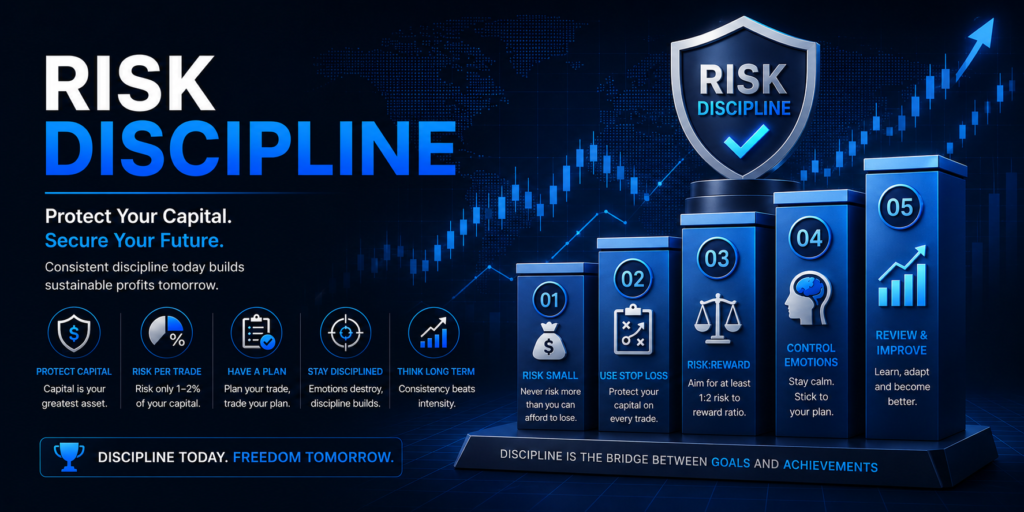
Fig 1.3 Earn2trade review infographic
Final Thoughts
This earn2trade review lands on a clear theme: the firm is a coherent fit for traders genuinely drawn to futures and to learning, rather than a one-size-fits-all funding vendor. As a futures prop firm, it offers access to exchange-traded, regulated, transparent instruments, and its pairing of an evaluation with structured education suits developing traders who understand that prop trading futures demands real skill rather than luck. The differences from forex, discrete contract-based sizing, instrument-specific behaviour, and a regulated environment, mean the transition requires genuine adjustment, which is exactly why an education-led model has merit; the research from Barber and Odean shows overtrading and overconfidence sink most retail traders, and a firm that builds skill addresses that root cause. The wisdom of futures veterans like Linda Raschke and Paul Tudor Jones points squarely at disciplined, defensive risk management. Verify the current rules and operating arrangements on the official site and treat the fee as risk capital.
Related guides: