
Introduction
Every order you place in the forex market lands in a pool dominated by giants. Understanding the retail trader vs institutional trader divide is the first real step toward trading with clear eyes instead of false hope. Retail traders move small accounts from home, while institutions deploy billions through banks, hedge funds, and proprietary desks. The gap shows up in capital, technology, information, and execution speed. Yet the difference is not destiny. Once you grasp how the big players think, you can stop fighting the current and start positioning alongside it. This article breaks down both worlds in plain language. We will compare resources side by side, examine how institutional traders trade, and show where a disciplined retail trader can still find a durable edge.
The Two Worlds: Who Trades and With What
A retail trader is an individual using personal capital through a brokerage account, often from a laptop at home. An institutional trader acts on behalf of a large entity: a commercial bank, an investment bank, a hedge fund, a pension fund, or a proprietary trading firm. The contrast starts with scale. A retail account might hold a few hundred to a few hundred thousand dollars. An institutional desk routinely moves positions worth tens or hundreds of millions in a single trade.
That scale changes everything downstream. Institutions negotiate razor-thin spreads, access deep liquidity pools, and trade directly with banks rather than through a single retail broker. They employ teams of quants, risk managers, and analysts. A retail trader wears every hat alone. Recognizing this asymmetry early protects you from the dangerous fantasy that you are competing on equal footing. You are not, and that is fine, because you do not need to win the same way they do.
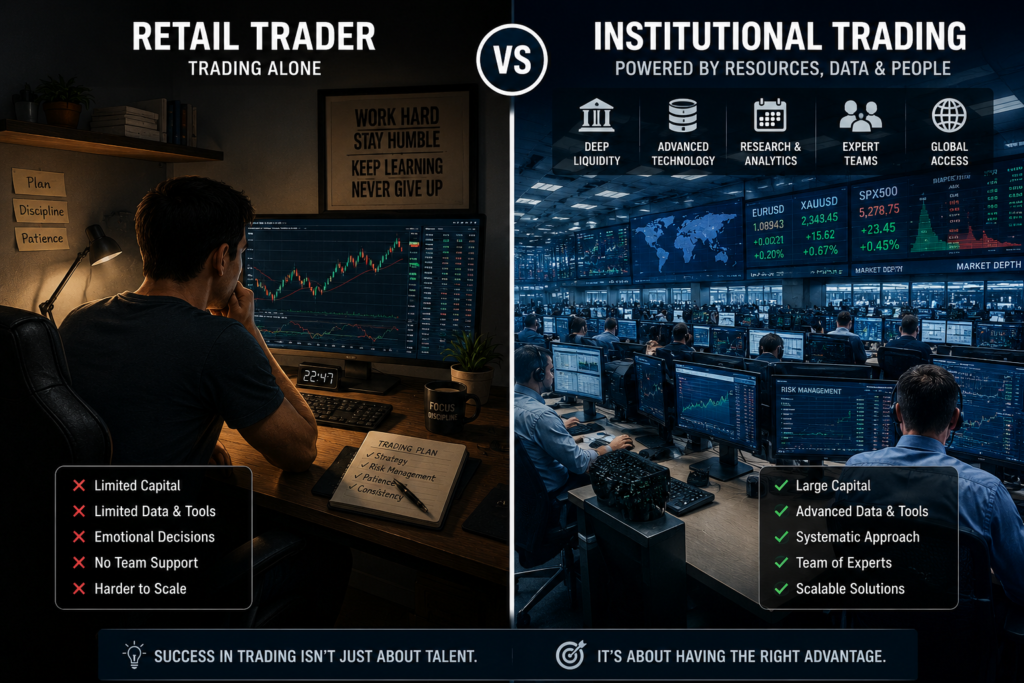
Fig 1.1 Retail trader vs institutional trader comparison
Capital, Tools, and Information: A Side-by-Side Comparison
The clearest way to see the divide is to lay the core resources next to each other. The table below summarizes where institutions hold structural advantages and where the gap is narrower than most beginners assume.
| Factor | Retail Trader | Institutional Trader |
|---|---|---|
| Capital | Hundreds to low six figures | Tens of millions to billions |
| Tools | Standard broker platform, retail charts | Custom algorithms, direct market access, co-located servers |
| Information access | Public news, delayed sentiment | Order flow data, proprietary research, market-moving relationships |
| Execution | Routed through a broker, possible slippage | Direct bank liquidity, faster fills, better pricing |
| Costs | Wider spreads, retail commissions | Negotiated spreads, institutional rates |
| Time horizon | Often minutes to days | Minutes to months, mandate-driven |
Notice that information access is where the asymmetry bites hardest. Institutions can see aggregated order flow and understand where liquidity sits. Retail traders see only price. This is precisely why institutional trading strategies explained in honest terms revolve around liquidity, not secret indicators. The big players hunt for pools of resting orders, because moving size requires a counterparty on the other side.
How Institutional Traders Trade
Understanding how institutional traders trade demystifies a lot of market behavior that confuses retail participants. Institutions cannot simply click buy on a hundred-million-dollar position without moving the price against themselves. Instead, they break large orders into smaller pieces and execute them gradually, a process often called accumulation or distribution. They seek liquidity where it concentrates, which is frequently just beyond obvious support and resistance levels where retail stop-loss orders cluster.
This explains the frustrating stop hunt so many beginners experience. Price spikes through an obvious level, triggers a wave of retail stops, and then reverses sharply. That move is rarely malicious targeting of you personally. It is an institution sourcing the liquidity it needs to fill a large order at a favorable average price. Institutions also lean heavily on algorithms, statistical models, and macroeconomic mandates. A pension fund hedging currency exposure trades for reasons unrelated to a chart pattern. Once you see the market as a venue where size must find liquidity, much of the apparent randomness gains structure.
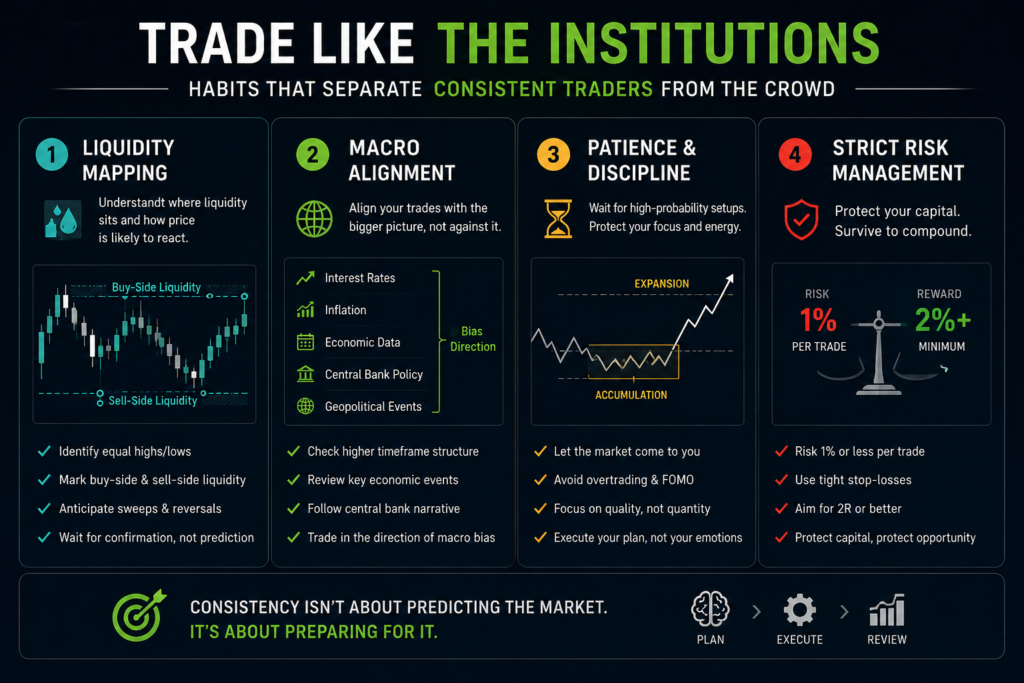
Fig 1.2 How institutional traders trade illustrated
Institutional Trading Strategies Explained for Retail Traders
You cannot replicate an institution’s balance sheet, but you can study its footprints. Institutional trading strategies explained in practical terms come down to a few repeatable ideas. First, institutions respect liquidity. They accumulate near zones where orders rest and offload into strength. Retail traders can map these zones using clean support and resistance, prior session highs and lows, and obvious round numbers. Second, institutions trade with the broader macro context, aligning positions with interest-rate expectations and central bank policy rather than fighting it.
Third, patience defines the professional approach. Institutional desks wait for high-probability conditions and accept that not every session offers a trade. Retail traders often do the opposite, overtrading out of boredom or revenge. Adopting an institutional temperament, fewer trades, tighter risk, and alignment with the prevailing trend, closes part of the gap without requiring a single dollar of extra capital. The goal is not to beat institutions head-to-head. It is to ride the same currents they create, entering after the liquidity grab rather than providing the liquidity yourself.
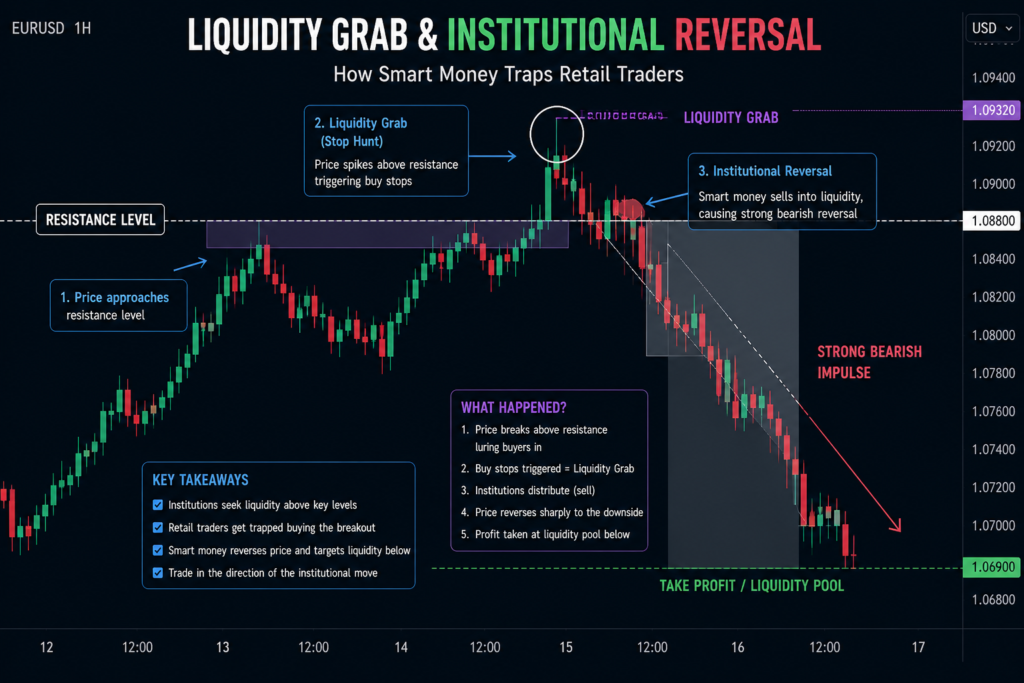
Fig 1.3 Institutional trading strategies
Where Retail Traders Actually Hold an Edge
The story is not one-sided. Retail traders enjoy genuine advantages that institutions would envy. You have no mandate forcing you to deploy capital, so you can sit in cash for days and wait for ideal setups. You can enter and exit in seconds without moving the market, since your size is irrelevant to overall liquidity. You answer to no investment committee, no quarterly performance review, and no redemption pressure from clients.
This flexibility is a real edge if you use it. An institution managing billions cannot nimbly exit a crowded trade; you can. Where institutions must trade certain pairs and sizes, you choose your battles freely. The disciplined retail trader who treats trading as a craft, with a tested plan, controlled risk per trade, and emotional restraint, can compound steadily. The retail trader vs institutional trader comparison is humbling, but it should empower rather than discourage. Your smaller size is, in specific moments, a weapon the giants simply do not possess.
What Top Traders and Research Say
The literature reinforces both the difficulty and the opportunity. In Jack Schwager’s Market Wizards, the recurring lesson from elite traders is that disciplined risk management, not prediction, separates winners from losers, a principle available to retail and institutional traders alike. Michael Lewis’s Flash Boys documents how high-frequency and institutional players exploit speed and infrastructure advantages, a sobering look at the structural edge retail traders cannot match on execution alone.
Academic research is equally direct. Brad Barber and Terrance Odean’s landmark study “Trading Is Hazardous to Your Wealth” found that the most active retail traders underperformed the market significantly, largely due to excessive trading and costs. The takeaway aligns perfectly with institutional patience: trade less, trade better. As Warren Buffett famously put it, “The stock market is a device for transferring money from the impatient to the patient.” That single line captures the behavioral gap this entire article describes.
Frequently Asked Questions
What is the main difference between a retail trader and an institutional trader? The core of the retail trader vs institutional trader divide is scale and resources. Retail traders use personal capital through a broker, while institutional traders deploy huge pools of money for banks, funds, and firms. Institutions enjoy better pricing, deeper liquidity access, and superior information. Retail traders trade smaller and alone but gain flexibility in return.
How do institutional traders trade large positions without moving the market? Understanding how institutional traders trade reveals that they split large orders into smaller pieces and execute gradually. They target zones of resting liquidity, often near obvious support, resistance, and prior highs or lows where retail stops cluster. This gradual accumulation lets them build positions at favorable average prices without triggering a runaway move against themselves.
Can a retail trader beat institutional traders? Not in a head-to-head race on speed or information. But retail traders do not need to. With institutional trading strategies explained and applied, you can align with institutional flow rather than oppose it. Your edge lies in patience, the freedom to wait in cash, and the ability to enter or exit instantly without moving price.
Why does price often reverse right after hitting my stop loss? This common frustration is usually a liquidity grab. Institutions need counterparties to fill large orders, so price is driven into clusters of retail stops to source that liquidity before reversing. Placing stops at less obvious levels and entering after the grab, rather than before it, helps retail traders avoid becoming the liquidity.
Do institutional traders always win? No. Institutions face mandates, redemption pressure, and the difficulty of moving size, which create their own disadvantages. They also lose trades regularly. The retail trader vs institutional trader matchup is about structural advantages, not guaranteed outcomes. Discipline and risk management determine survival on both sides of the divide.
Final Thoughts
The retail trader vs institutional trader comparison is not a reason for despair; it is a map. Institutions dominate on capital, technology, information, and execution, and pretending otherwise only fuels costly mistakes. Yet once you understand how institutional traders trade, the market stops looking random. Price moves toward liquidity, large orders accumulate quietly, and stop hunts become readable rather than terrifying. With institutional trading strategies explained in plain terms, retail traders can map liquidity zones, align with macro trends, and adopt the patience that defines professional desks. Your smaller size is a genuine advantage in the right moments, letting you wait in cash and act instantly. The goal is never to out-muscle the giants. It is to stop fighting them, read their footprints, and position alongside the flow. Trade less, manage risk relentlessly, and let discipline do the compounding.