
Introduction
Starting your investing journey can feel overwhelming, and the right book often makes the difference between confusion and confidence. The best investment books for beginners translate complex market ideas into plain language you can actually use, helping you build wealth steadily over time. Reading shapes how you think about risk, compounding, and patience long before you ever buy your first share. In this guide, we recommend proven titles from authors like Benjamin Graham, Morgan Housel, and John Bogle, explaining what each one teaches and who it suits best. You will learn which books cover index funds, which explore investor psychology, and which lay out simple financial habits. We also share what research and top investors say about lasting success. By the end, you will have a clear reading list and the knowledge to choose your first title with purpose.
Why Reading Is the Smartest First Investment
Before you put a single dollar into the market, the cheapest and most valuable investment you can make is in your own understanding. The best investment books for beginners give you decades of hard-won wisdom for the price of a paperback, and they help you avoid expensive mistakes that no broker will warn you about. Markets reward patience and punish impulsiveness, so the habits you form early matter far more than any individual stock pick. A good book reframes investing as a long game built on consistency rather than a casino built on luck. It also builds the emotional resilience you need to stay invested when headlines turn frightening. By reading widely before you act, you replace fear and guesswork with a calm, repeatable process that compounds quietly in your favour for years.
There is a second benefit that beginners often overlook. A well-chosen book gives you a mental framework, a lens through which every future headline, tip, and trend suddenly makes sense. Without that framework, new investors tend to react to noise. They buy when others are excited and sell when others are scared, locking in losses at the worst possible moments. Reading teaches you to recognise these patterns in yourself before they cost you money. It slows you down at exactly the points where speed is dangerous. The few hours you spend with a great book can save you years of trial and error, and the lessons stay with you long after the cover closes.
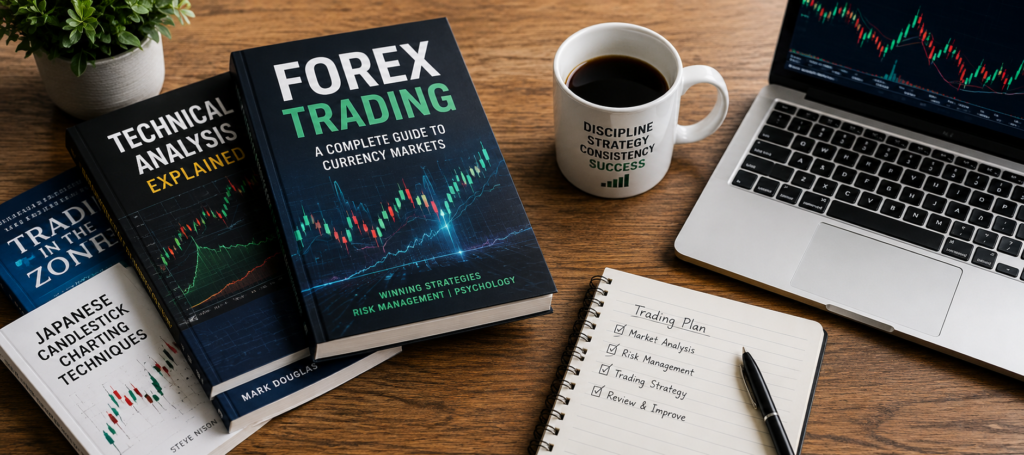
Fig 1.1 Stack of the best investment books
The Foundational Classics Every Beginner Should Read
Some titles have earned their place as cornerstones of any beginner’s library, and they remain among the best investing books 2026 readers continue to recommend. Benjamin Graham’s The Intelligent Investor is the natural starting point for anyone serious about value investing. Graham introduces the idea of treating Mr. Market as an emotional partner whose daily mood swings create opportunity rather than panic. The book teaches you to buy a stock as if you were buying a share of a real business, not a lottery ticket. Its central principle, the margin of safety, asks you to pay meaningfully less than something is worth so that errors and bad luck cannot ruin you. This title suits a patient reader who wants depth and is willing to work through detailed reasoning. Beginners benefit because Graham builds the discipline that protects you for a lifetime, and Warren Buffett has called it the best book on investing ever written.
For a broad and accessible overview of how markets actually behave, Burton Malkiel’s A Random Walk Down Wall Street makes a compelling case that consistently beating the market is far harder than most people believe. Malkiel walks you through investment bubbles, fads, and the evidence behind index investing, all in clear and often witty prose. The book suits a curious beginner who wants to understand the big picture before committing to a strategy. Its lasting value is humility: once you grasp how efficient markets tend to be, you stop chasing impossible returns and start building a sensible, low-cost portfolio.
Pair these with George Clason’s The Richest Man in Babylon, a short collection of parables set in the ancient city that quietly delivers timeless lessons on money. Clason’s most famous rule, to pay yourself first by saving a portion of everything you earn, is simple enough for any reader to apply immediately. The book suits anyone who finds dense finance texts intimidating, because its story format makes the lessons memorable and even enjoyable. Beginners benefit because it reframes wealth as the result of steady habits rather than a high income. Together, these three titles build a foundation that balances theory, evidence, and simple human discipline.
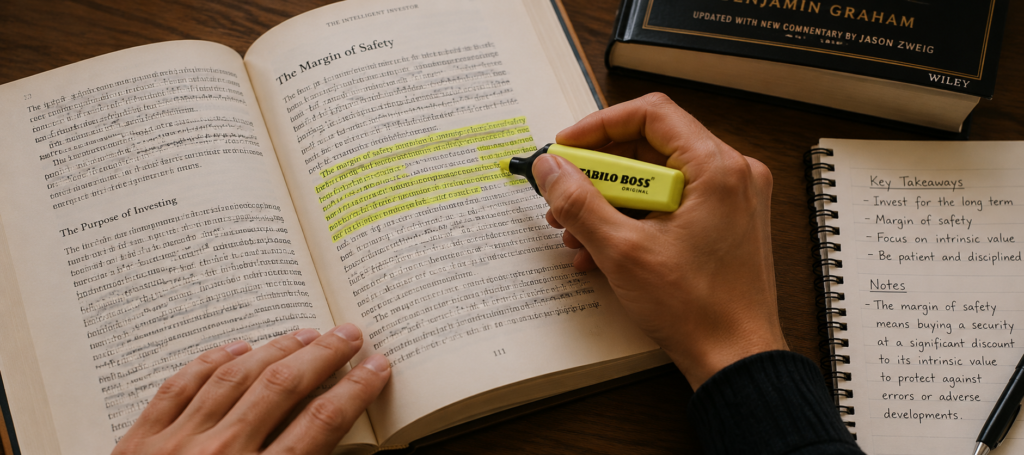
Fig 1.2 Reader studying one of the best investing books
Books That Make Index Investing Simple
If you want the single most practical approach for everyday investors, the index-fund philosophy is hard to beat, and several authors explain it beautifully. John Bogle, the founder of Vanguard and the father of the index fund, distils his life’s work in The Little Book of Common Sense Investing. He argues that owning the whole market cheaply will outperform most active strategies over time, largely because high fees and frequent trading quietly erode returns. The book suits a beginner who wants a strategy they can trust and stick with for decades. Its great strength is clarity: Bogle strips investing down to a few durable truths, showing that you do not need to be clever to do well, only consistent and low-cost.
JL Collins builds on this idea in The Simple Path to Wealth, written originally as a series of letters to his daughter, which makes it warm, readable, and refreshingly free of jargon. Collins shows how a straightforward portfolio built around broad index funds, combined with a high savings rate, can lead to genuine financial independence. He explains why market drops are a normal feature rather than a reason to flee, and how to think about money as a tool that buys you freedom. This book suits a reader who wants encouragement as much as instruction, and who would rather have one clear plan than a dozen complicated options. Beginners benefit because Collins removes the fear that keeps so many people on the sidelines.
These books are some of the most frequently personal finance books recommended to beginners precisely because they remove complexity. Rather than chasing hot stocks, they teach you to capture the market’s long-term growth with minimal cost and minimal stress, which is exactly what most new investors need. The index-fund approach also frees up your time and attention, letting you live your life instead of watching tickers all day. For many people, that peace of mind is worth as much as the returns themselves.
Books on Money Psychology and Personal Finance Habits
Investing success depends less on intelligence and more on behaviour, which is why the psychology of money deserves a prominent place on your shelf. Morgan Housel’s The Psychology of Money is a modern classic that uses short, memorable stories to show how emotion, ego, and patience shape financial outcomes far more than spreadsheets do. Housel explains why two people with the same income can end up in completely different financial situations, and why enough is one of the most valuable concepts in personal finance. The book suits almost any reader, beginner or experienced, because its lessons are universal and its chapters are short. Beginners benefit because it teaches you to manage yourself, which is the skill that ultimately determines whether your strategy survives a frightening market.
For readers who want to fix their everyday finances first, Ramit Sethi’s I Will Teach You to Be Rich offers an honest, system-driven approach to automating savings, paying off debt, and spending guilt-free on what you love. Sethi focuses on building automatic systems so that good behaviour happens without willpower, freeing you from constant budgeting battles. The book suits a younger reader or anyone whose finances feel scattered and reactive. Beginners benefit because it turns vague intentions into concrete, repeatable steps you can set up in a single weekend.
Robert Kiyosaki’s Rich Dad Poor Dad remains a popular mindset primer that challenges how you think about assets, liabilities, and earning income. It contrasts two approaches to money through the story of two father figures, pushing readers to acquire things that put money in their pocket. The book suits someone who needs a motivational spark and a fresh way of seeing wealth, though its advice works best as inspiration rather than a literal blueprint. Beginners benefit from the mindset shift, while keeping the practical mechanics for the more grounded titles on this list. Each of these books sits comfortably among the best investment books for beginners because they address the human side of money, the part that ultimately determines whether good intentions become lasting wealth.
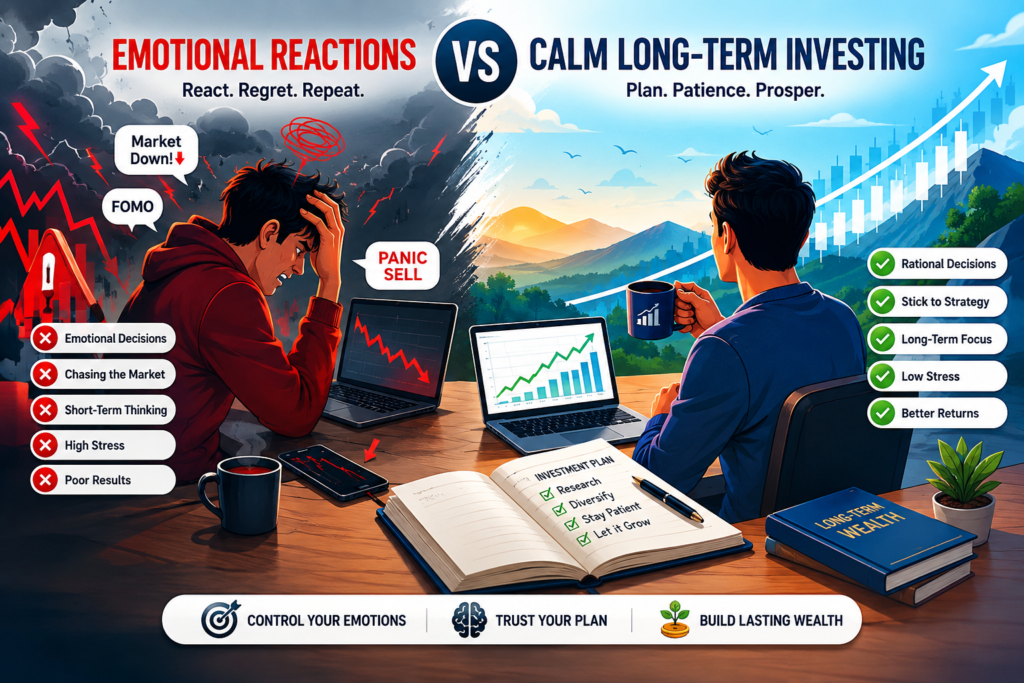
Fig 1.3 Investor psychology themes from personal finance
Here is a quick comparison of the standout titles discussed in this guide:
| Book Title | Author | Best For / Focus Area |
|---|---|---|
| The Intelligent Investor | Benjamin Graham | Value investing fundamentals and discipline |
| A Random Walk Down Wall Street | Burton Malkiel | Understanding markets and efficient investing |
| The Little Book of Common Sense Investing | John Bogle | Low-cost index fund strategy |
| The Simple Path to Wealth | JL Collins | Financial independence made simple |
| The Psychology of Money | Morgan Housel | Behaviour and mindset around money |
| I Will Teach You to Be Rich | Ramit Sethi | Practical personal finance systems |
| The Richest Man in Babylon | George Clason | Timeless saving principles |
| Rich Dad Poor Dad | Robert Kiyosaki | Wealth mindset and assets vs liabilities |
| One Up on Wall Street | Peter Lynch | Spotting opportunities in everyday life |
How to Choose the Right Investing Book for You
With so many strong titles available, the hardest part is often deciding where to begin. The simplest method is to match the book to the problem you most want to solve right now. If you feel anxious every time the market moves, start with a book on psychology and behaviour, because calming your reactions will matter more than any clever tactic. If your bigger struggle is saving money in the first place, a habits-focused title will serve you better than a deep dive into portfolio theory. And if you already save steadily but feel unsure where to put your money, a clear strategy book on index funds will give you a plan you can follow for years.
It also helps to be honest about your reading style. Some beginners thrive on detailed, rigorous books and enjoy working through every argument, while others lose momentum if a book feels heavy. There is no shame in choosing the more approachable, story-driven titles first. A book you actually finish will always teach you more than a celebrated classic that sits unopened on your nightstand. You can return to the denser works later, once a foundation is in place and your curiosity has grown. The right first book is simply the one that keeps you turning pages and inspires you to take a small action.
Putting What You Read Into Practice
Owning a great book means little if it gathers dust, so treat reading as the first step toward action rather than the goal itself. Readers drawn to picking individual companies might enjoy Peter Lynch’s One Up on Wall Street, which encourages you to notice promising businesses in your everyday life. Lynch, who ran one of the most successful funds in history, argues that ordinary people often spot great companies before Wall Street does, simply by paying attention to the products and services they already use and understand.
Whatever you pick, read actively: take notes, mark passages that resonate, and write down one action you can take immediately. Treat each book as a workbook rather than a novel. After every chapter, pause and ask how the idea applies to your own situation, then capture a single next step before you move on. The goal is not to finish the most books but to absorb a few principles deeply and apply them. One well-understood idea, practised consistently, will compound far more powerfully than a shelf of titles you only skimmed. Many seasoned investors reread their favourite books every few years, because the lessons land differently once you have lived through a market cycle or two.
What Top Investors and Research Say
The themes in these books are backed by both evidence and experience. John Bogle’s The Little Book of Common Sense Investing argues that low-cost index funds beat most active strategies, and decades of data support him: the widely documented SPIVA-style findings consistently show that the large majority of actively managed funds underperform their benchmark indexes over long periods, especially after fees. Academic research points the same way. The well-known study by Brad Barber and Terrance Odean, “Trading Is Hazardous to Your Wealth,” found that the most active individual traders earned the worst net returns, reinforcing why a patient, long-term, low-turnover approach tends to win. This is exactly the discipline that beginner-friendly books try to instil.
The agreement between the page and the data is striking. The books on this list were written across very different decades, yet they converge on the same handful of truths: keep costs low, save consistently, diversify broadly, and control your emotions. That convergence is part of why these titles endure while market fads come and go. As Warren Buffett famously put it, “The stock market is a device for transferring money from the impatient to the patient.” Read with that wisdom in mind, and the lessons in these titles become far more than theory; they become a practical edge that quietly works in your favour year after year.
Frequently Asked Questions
What is the best investment book for a complete beginner? For someone starting from zero, The Psychology of Money by Morgan Housel and The Simple Path to Wealth by JL Collins are excellent first reads. They are clear, jargon-free, and focus on behaviour and simple strategy rather than complex math. These are among the best investment books for beginners because they build confidence quickly and set healthy long-term habits before you ever buy a stock.
Which book should I read first to learn investing? If your everyday finances need structure, begin with Ramit Sethi’s I Will Teach You to Be Rich. If you already save and want a clear investing plan, start with John Bogle’s The Little Book of Common Sense Investing. Matching the book to your current situation matters more than reading them in any fixed order.
Are investing books still worth reading in 2026? Absolutely. The principles in classics like The Intelligent Investor remain timeless because human behaviour and market psychology change very little. The best investing books 2026 readers recommend blend these enduring lessons with practical, modern context, giving you knowledge that stays relevant for decades.
Do I need to read about advanced strategies right away? No. Beginners benefit far more from mastering the basics of saving, compounding, low-cost index investing, and emotional discipline. The personal finance books recommended here focus on exactly these foundations. Advanced tactics can wait until you have a solid base and real experience.
How many investing books should a beginner read? Quality matters more than quantity. Reading three or four well-chosen titles deeply, and applying their lessons, will serve you better than rushing through a dozen. Pick one foundational book, one on index investing, and one on money psychology to cover the essentials.
Can I learn investing from books alone? Books give you the principles and the mindset, but real understanding comes when you combine reading with small, hands-on experience. Start with a modest amount you can afford to lose, apply what you have read, and let the lessons sink in through practice. The best investment books for beginners are a guide for the journey, not a substitute for actually taking the first step.
Final Thoughts
Building wealth rarely comes from a secret strategy; it comes from sound principles applied patiently over years. The investment books for beginners featured in this guide give you those principles directly from the people who proved them, from Benjamin Graham’s discipline to John Bogle’s faith in low-cost index funds and Morgan Housel’s insight into human behaviour. You do not need to read every title or understand the entire market before you start. Choose one book that matches where you are today, read it actively, and put a single lesson into practice. Then keep going, layering knowledge and habits as your confidence grows. The best investors are almost always lifelong learners who let understanding compound alongside their money. Start with one page, build a reading habit, and let it quietly guide every financial decision you make from here forward toward a calmer, wealthier future.