
Introduction
Forex trading in Kenya has surged into the mainstream, transforming from an obscure pursuit into a serious income ambition for students, professionals, and entrepreneurs across Nairobi, Mombasa, and beyond. The combination of rising internet access, mobile money convenience through M-Pesa, and growing financial awareness has made the currency market more reachable here than almost anywhere else in the region. Yet with that opportunity comes a flood of misinformation, dubious “account managers,” and outright scams that prey on newcomers. This guide cuts through the noise with clear, trustworthy information. You will learn how the market is regulated by the Capital Markets Authority, how to identify a genuinely safe broker, how funding and withdrawals work with local payment methods, what tax obligations may apply, and the disciplined habits that protect Kenyan traders from the most common pitfalls. Whether you are just curious or ready to open your first account, this is the grounded roadmap to start the right way.
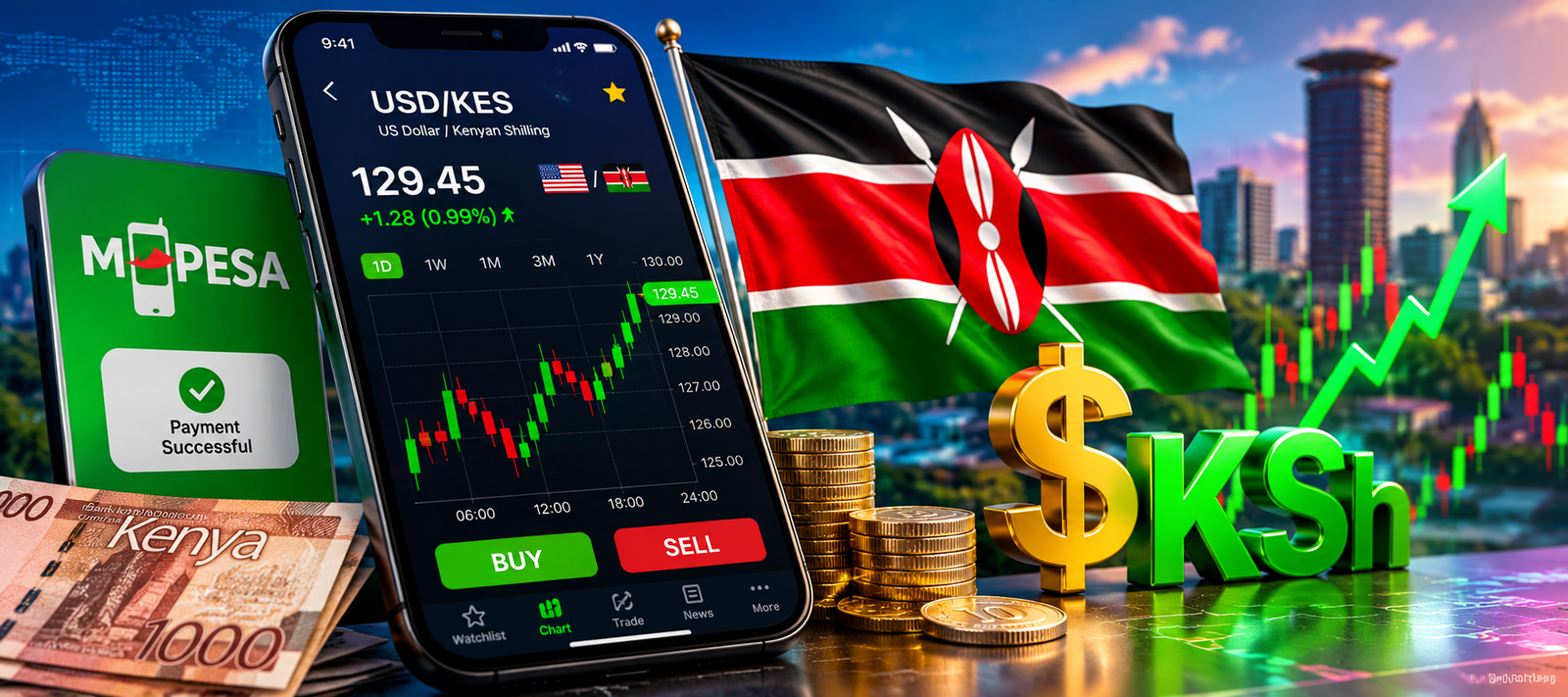
Fig 1.1 Forex trading in Kenya on a mobile app
Is Forex Trading Regulated in Kenya?
Yes. Is forex regulated in Kenya? is one of the most common beginner questions, and the reassuring answer is that the Capital Markets Authority, or CMA, oversees the sector. The CMA licenses local online forex brokers, sets conduct standards, and protects investors through a defined regulatory framework. This makes Kenya one of the few African nations with a dedicated, clear licensing regime for retail forex.
The practical implication is important. While trading is legal, you should prioritise brokers that hold a CMA licence or are credibly regulated by other respected authorities. A regulated broker is accountable to a watchdog, must follow client-protection rules, and offers a path for complaints. Choosing an unlicensed offshore firm with no oversight is where most Kenyan trading losses to fraud begin, because recovering funds becomes nearly impossible.
Choosing the Best Forex Broker in Kenya
Selecting the right broker is the most consequential decision a new trader makes, and it deserves careful research rather than a hasty sign-up. The best forex broker in Kenya combines proper regulation, transparent costs, convenient local funding, and responsive support. A polished advertisement means little if withdrawals are slow or the firm is unregulated.
Begin with regulation, confirming a CMA licence or strong international oversight. Then examine trading costs — spreads, commissions, and overnight fees quietly shape your long-term results far more than any signup bonus. Finally, prioritise practical convenience: brokers that support M-Pesa and local bank transfers make depositing and withdrawing effortless, which matters enormously for everyday Kenyan traders. The table below lays out the features worth comparing before you commit.
| Broker Feature | Why It Matters | What to Look For |
|---|---|---|
| Regulation | Legal protection | CMA licence or strong global regulator |
| Funding methods | Easy access to capital | M-Pesa and local bank support |
| Spreads & fees | Direct impact on profit | Tight spreads on major pairs |
| Withdrawal speed | Access to your money | Fast, reliable local payouts |
| Minimum deposit | Beginner accessibility | Low starter requirement |
| Local support | Quick help when needed | KES accounts, responsive service |
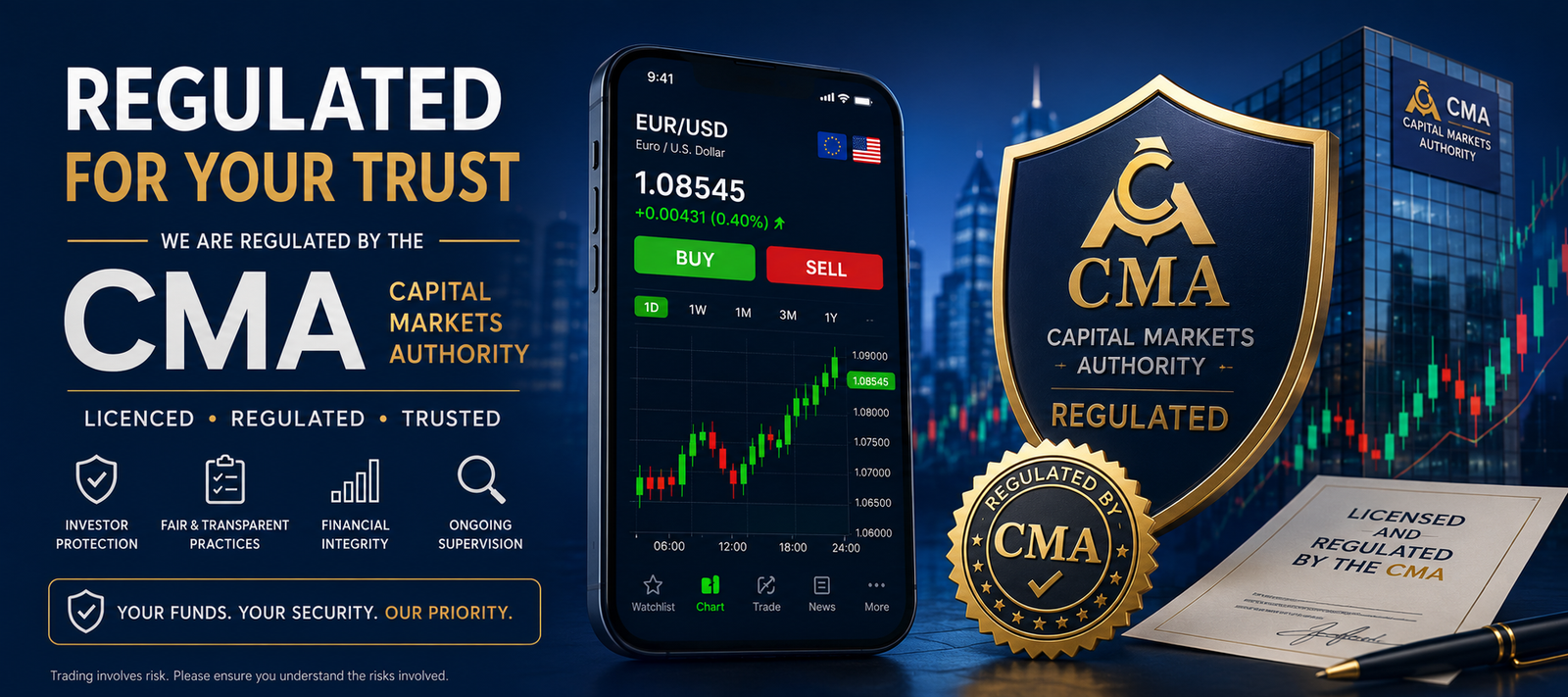
Fig 1.2 Is forex regulated in Kenya
How to Start Forex Trading in Kenya
Getting started is more straightforward than many beginners expect, but the order of steps matters. Begin with education, not a deposit. Learn the core concepts — currency pairs, pips, leverage, and risk management — and practise on a free demo account until your strategy is consistently profitable on paper. This stage costs nothing and saves countless beginners from expensive early mistakes.
Only after demonstrating consistency should you open a small live account with a regulated broker, fund it through M-Pesa or bank transfer, and trade with money you can genuinely afford to lose. Treat your first live months as paid education rather than a quick income scheme. The goal is to prove you can follow your rules under real emotional pressure, which is the true test that separates lasting traders from the many who quit early.
Is Forex Profitable in Kenya?
Honesty serves new traders better than hype. Forex genuinely can be profitable in Kenya, but profit is the reward for skill, discipline, and patience, not an automatic outcome of opening an account. The market behaves identically whether you trade from Nairobi or New York; it pays disciplined traders and punishes reckless ones without favour.
Global broker data consistently shows that most retail accounts lose money, usually because traders over-leverage, chase losses, or trade without a tested plan. Kenyans face the same reality. Those who succeed treat trading as a business: they risk only a small fraction of capital per trade, keep detailed records, and grow accounts slowly. Realistic expectations are everything. A trader compounding modest, consistent gains will far outlast the gambler chasing instant riches who inevitably blows up.
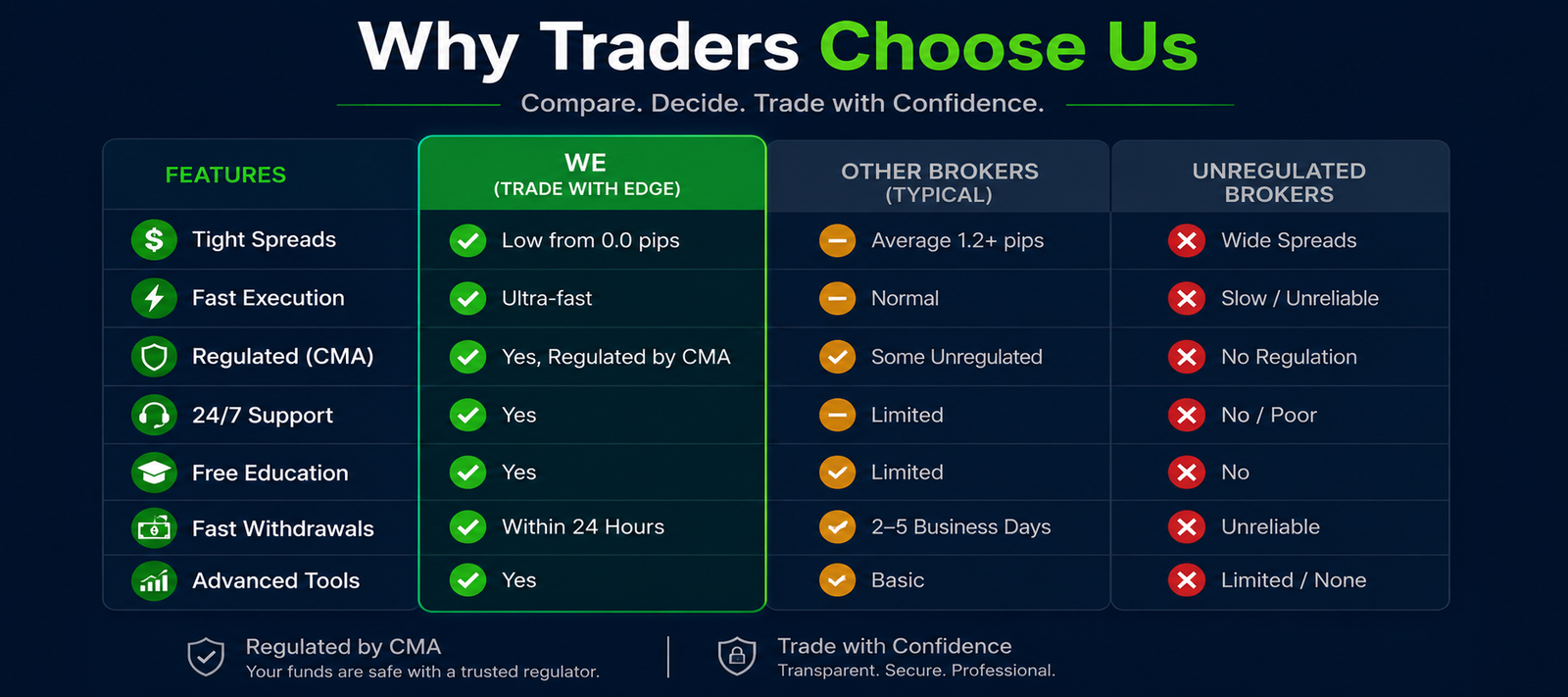
Fig 1.3 Comparing the best forex broker in Kenya
Avoiding Scams and Common Mistakes
The Kenyan forex scene, unfortunately, attracts a heavy share of scams, and recognising them is essential protection. Be deeply sceptical of anyone promising guaranteed returns, “account managers” who want to trade on your behalf, and signal groups demanding upfront fees for secret profits. Legitimate trading carries risk, so any promise of certainty is a red flag.
Beyond fraud, the most common self-inflicted mistakes are over-leveraging, revenge trading after losses, and abandoning a plan mid-trade. Each can drain an account rapidly. The mature path is slower but real: verify every broker’s regulation, learn the fundamentals thoroughly, respect risk on every trade, and ignore the get-rich-quick noise. Avoiding both external scams and internal indiscipline keeps you in the game long enough to actually develop genuine skill.
What Top Traders and Research Say
Seasoned professionals are unanimous that managing risk outranks predicting the market. Warren Buffett’s enduring rule applies to every trader: “Rule No. 1: Never lose money. Rule No. 2: Never forget rule No. 1.” While no trader avoids losses entirely, the spirit — protecting capital above chasing gains — is exactly what keeps Kenyan accounts alive through tough stretches.
The academic evidence agrees. In “Trading Is Hazardous to Your Wealth,” Brad Barber and Terrance Odean found that the most active traders earned the worst net returns, undermined by overconfidence and excessive trading costs. For grounding your education, Mark Douglas’s Trading in the Zone remains a respected guide that explains why mindset and disciplined, probabilistic thinking — rather than secret indicators — ultimately determine results. The combined message is clear: patient discipline, practised locally, beats constant action every time.
Frequently Asked Questions
Is forex trading legal and regulated in Kenya?
Yes. Forex trading in Kenya is legal, and the sector is regulated by the Capital Markets Authority. The CMA licenses local online forex brokers and enforces conduct and client-protection standards. To trade safely, choose a CMA-licensed broker or one with strong international regulation. Avoid unlicensed offshore firms, since they offer no real recourse if problems arise. Regulation does not guarantee profit, but it greatly improves your protection as a trader.
Which is the best forex broker in Kenya?
There is no single answer, because the best forex broker in Kenya depends on your needs. Prioritise CMA regulation or strong global oversight, M-Pesa and local bank funding, tight spreads, and fast withdrawals. Compare a shortlist on these factors and test each on a demo account before depositing. Favour transparency and reliable payouts over flashy bonuses, which rarely compensate for poor pricing or weak regulation. The right broker fits your style and funds smoothly.
How do I start forex trading in Kenya as a beginner?
To start forex trading in Kenya, begin with education rather than a deposit. Learn currency pairs, pips, leverage, and risk management, then practise on a free demo account until consistently profitable. Next, open a small live account with a regulated broker, fund it via M-Pesa or bank transfer, and risk only money you can afford to lose. Treat your first months as practice, focusing on discipline and emotional control over fast income.
Is forex profitable in Kenya?
Forex can be profitable in Kenya, but it depends on skill and discipline, not luck. Most retail traders lose early because they over-leverage and trade without a plan. Those who succeed risk small amounts per trade, keep records, and grow accounts slowly. Realistic expectations matter: consistent modest gains compounded over time beat the gambling that empties most new accounts. Profit in forex trading in Kenya is earned through patience and sound risk management.
Do I have to pay tax on forex profits in Kenya?
Forex trading profits may be subject to tax in Kenya, and the Kenya Revenue Authority generally expects income to be declared. The exact treatment can depend on your circumstances and how the activity is classified. Because tax rules can be complex and change, keep detailed records of all your trades and consult a qualified local tax professional for guidance. This article is educational and not financial or tax advice.
Final Thoughts
Forex trading in Kenya offers a real, regulated opportunity to participate in the world’s largest financial market, but it rewards preparation and discipline far more than ambition alone. The traders who thrive here verify their broker against the CMA, fund conveniently through trusted local methods, manage risk like professionals, and steer well clear of the guaranteed-return scams that target newcomers. Profit is genuinely possible, yet it arrives as the by-product of education, patience, and emotional control rather than a lucky streak or a secret signal. Start with knowledge, practise on a demo, keep your live account small at first, and let consistency compound over time. Approach the market with respect and realistic expectations, and you give yourself a genuine chance to turn currency trading into a sustainable, long-term skill. This article is educational and not financial advice.