
Introduction
Choosing the best forex broker Dubai offers is not a casual decision, because your money, your data, and your trading future all depend on it. The United Arab Emirates has grown into one of the world’s busiest financial hubs, and Dubai sits at the centre of that boom. As more residents and expats explore currency trading, the demand for safe, regulated, and Arabic-friendly brokers keeps rising. Yet the market is crowded, and not every firm deserves your trust. Some operate under strong regulators, while others lure traders with bold promises and no oversight at all. This guide explains how to pick a broker the right way. It covers DFSA and SCA regulation, local funding, Islamic accounts, spreads, and withdrawal safety. It also tackles unregulated brokers honestly and reviews the rules Indian residents must respect before they trade.

Why Regulation Decides the Best Forex Broker Dubai Has to Offer
Regulation is the single most important filter when you search for the best forex broker Dubai residents can rely on. A regulator forces a broker to follow rules that protect you. These rules cover how your money is held, how disputes are handled, and how the firm reports its activity. Without that oversight, you are trusting a stranger with your savings and hoping for the best.
In the UAE, two bodies matter most. The Dubai Financial Services Authority, known as the DFSA, regulates firms inside the Dubai International Financial Centre. The Securities and Commodities Authority, known as the SCA, oversees forex and investment activity across the wider UAE. A broker licensed by either body must meet capital requirements and follow conduct standards. That structure gives you a real channel for complaints and a stronger chance of recovering funds if something goes wrong.
Many traders in Dubai also use brokers regulated abroad by well-known authorities. The Financial Conduct Authority in the United Kingdom and the Australian Securities and Investments Commission are common examples. These are respected, tier-one regulators. They are not UAE bodies, so local protections may differ, but they still demand high standards. The safest approach is simple. Pick a broker with strong regulation, confirm the licence yourself, and never rely on the broker’s word alone.
How to Verify a Broker’s Licence the Right Way
A licence badge on a website means nothing until you check it. Scammers copy logos and invent registration numbers all the time. So treat verification as a required step, not an optional one. Start by finding the broker’s claimed licence number on its site. Then visit the official regulator’s website directly by typing the address yourself.
Search the regulator’s public register for that number and company name. The details should match exactly, including the legal entity and the services it is allowed to offer. If the name is slightly different, or the licence covers a different activity, treat that as a warning. Some firms hold a licence for one service but market a riskier one they are not authorised to provide.
This habit protects you across every market, including the UAE and India. Regulators publish these registers precisely so the public can check. A genuine DFSA regulated forex broker or SCA forex broker UAE will pass this test without trouble. A firm that cannot be found, or that pressures you to skip the check, has told you everything you need to know.
Comparing Regulator Tiers at a Glance
Not all regulation carries the same weight. The table below compares major regulators that matter to traders in Dubai. Use it to understand the landscape, not as a ranking of any specific company. Always confirm a broker’s status on the regulator’s own register.
| Regulator | Region | Tier / Strength | Key Protections | Relevance to Dubai Traders |
| ———– | ——– | —————– | —————– | —————————- |
| DFSA | Dubai (DIFC) | Strong | Capital rules, conduct standards, complaint channel | Direct local oversight in Dubai |
| SCA | UAE (federal) | Strong | Licensing, investor safeguards, market supervision | Primary UAE-wide authority |
| FCA | United Kingdom | Tier one | Segregated funds, compensation scheme, strict conduct | Common for international brokers |
| ASIC | Australia | Tier one | Client money rules, leverage limits, supervision | Common for international brokers |
| None / Offshore | Varies | Weak or absent | Little to no enforceable protection | High risk; strongly avoid |
The pattern is clear. Tier-one and local UAE regulators give you enforceable rights. Offshore or absent regulation gives you almost nothing. When two brokers look similar on spreads and platforms, regulation should break the tie every time.
Is Forex Trading Legal in the UAE?
Yes, forex trading in Dubai and across the UAE is legal when you use a properly licensed broker. The activity itself is permitted, and the country has built a clear framework around it through the DFSA and the SCA. Residents and expats can open accounts, deposit funds, and trade major currency pairs within that framework.
The legality, however, depends on the broker. Trading through a licensed firm keeps you inside the law and inside the protection of the regulator. Trading through an unlicensed offshore firm is where problems begin. You may not break a law by doing so, but you lose the safeguards that local regulation provides, and recovery becomes far harder if funds disappear.
The practical takeaway is steady and simple. Forex is legal here, so there is no need to chase shady firms or hidden offshore setups. Choose a regulated broker, keep your records clean, and trade within the rules. That approach protects both your money and your peace of mind.
What to Look For: Spreads, Platforms, and Withdrawals
Once regulation is confirmed, the next layer is trading quality. Spreads come first because they shape your real cost on every trade. A tight, stable spread on major pairs like EUR/USD matters more than a flashy bonus. Watch for brokers that advertise tiny spreads but widen them sharply during busy hours. Test this on a demo account before you commit real money.
Platforms come next. MetaTrader 4 and MetaTrader 5 remain the standard for most traders, and many brokers offer their own apps too. A good platform is stable, fast, and clear on mobile, since many Dubai traders watch the market on the move. Strong charting, reliable order execution, and easy account management all add up over time. A clumsy platform costs you in missed entries and slow exits.
Withdrawals are where a broker’s true character shows. The best forex broker Dubai traders recommend will process withdrawals smoothly, without endless delays or shifting conditions. Read the funding terms carefully. Look for local funding options, AED or bank transfer support, and clear fee schedules. If a broker makes deposits easy but withdrawals painful, that imbalance is a serious red flag worth respecting.
Local Funding, Arabic Support, and Islamic Accounts
A broker that truly serves the UAE market makes life easier in three practical ways. The first is local funding. Brokers that support AED deposits, local bank transfers, and regional payment methods reduce friction and currency conversion costs. When funding is smooth, you spend less on hidden charges and less time waiting for transfers to clear.
The second is language and service. Arabic support matters for many traders in Dubai and across the region. A broker with genuine Arabic-speaking customer service, not just a translated webpage, shows real commitment to the market. Test the support before you fund an account. Ask a few questions and judge how fast, clear, and helpful the answers are.
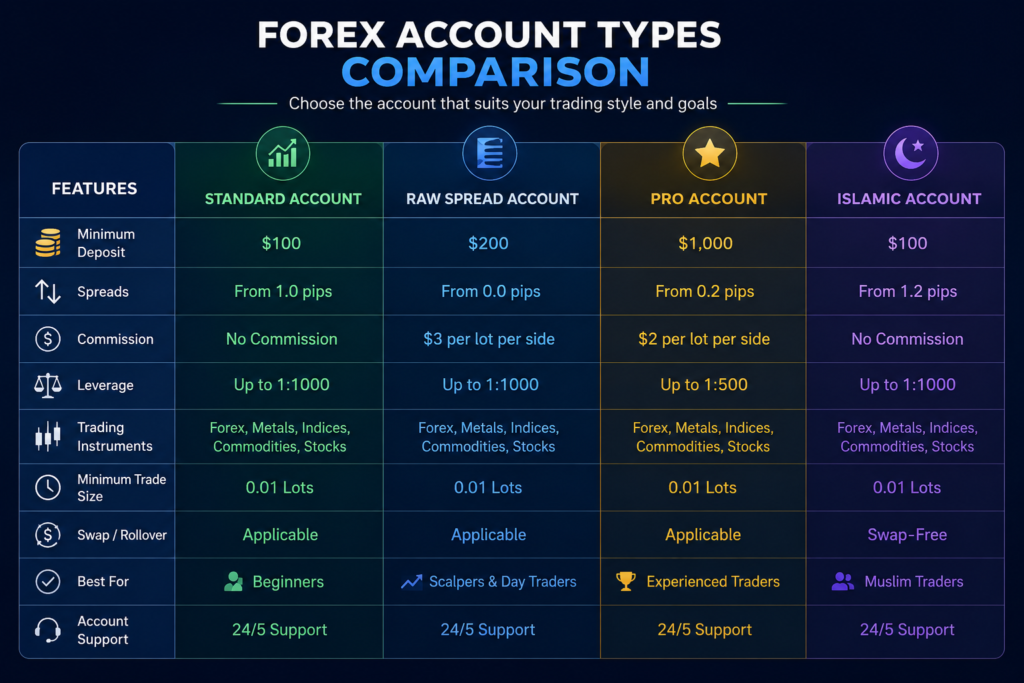
The third is Islamic, or swap-free, accounts. These accounts remove overnight interest, known as swap, so trading can align with Sharia principles. A swap-free forex broker UAE clients trust will offer this without quietly adding wide spreads or extra admin fees to compensate. Read the terms closely. A genuine Islamic account respects both the spirit of the rule and your wallet, rather than charging through a side door.
The Truth About the “Best Unregulated Forex Broker”
Many people search for the best unregulated forex broker, often hoping for higher leverage, fewer questions, or bigger bonuses. It is worth being honest and direct here. There is no safe “best” in this category, because the lack of regulation is the core problem, not a feature. Removing oversight removes the very protections that keep your money safe.
Consider what regulation normally provides. It requires brokers to keep client funds separate from company funds. It sets conduct rules, demands fair handling of complaints, and gives you a real authority to turn to. An unregulated broker offers none of this. If the firm freezes your account, delays a withdrawal, or simply vanishes, you have almost no recourse. There is no register to check, no regulator to complain to, and often no real company behind the brand.
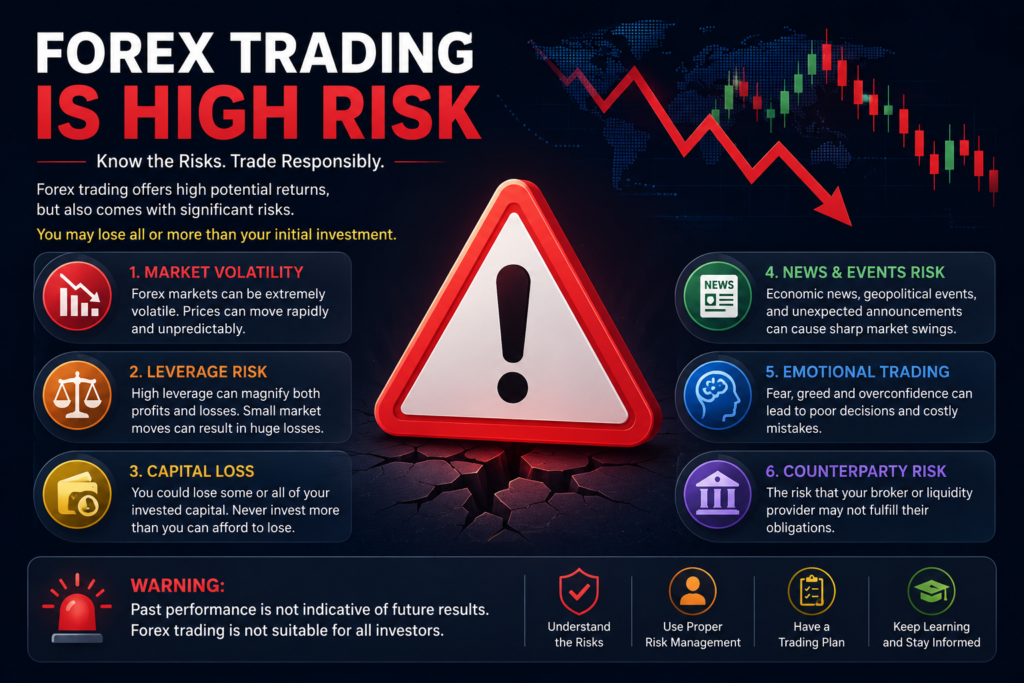
The risks are concrete. Withdrawal refusals are common. So are sudden account closures, manipulated prices, and outright disappearance of the firm. High leverage may look exciting, but it magnifies losses just as fast as gains, and an unregulated broker has no duty to treat you fairly. For these reasons, a regulated broker is strongly preferable in every realistic case. This guide does not recommend or endorse any unregulated broker. The smarter path is to target the safety you actually need and choose a licensed firm you can verify.
The Indian Best Forex Broker Angle: SEBI, RBI, and INR Rules
The phrase Indian best forex broker deserves careful handling, because the rules in India differ sharply from those in the UAE. For residents of India, forex trading is tightly controlled. The Securities and Exchange Board of India, known as SEBI, and the Reserve Bank of India, known as the RBI, set the boundaries. Indian residents are generally permitted to trade currency derivatives only on recognised domestic exchanges, and only on a limited set of pairs.
These permitted pairs centre on the rupee, such as USD/INR, EUR/INR, GBP/INR, and JPY/INR, along with a few non-INR crosses allowed under specific rules. Trading foreign forex pairs through overseas online brokers falls into a legal grey zone for residents, and using unauthorised offshore platforms can breach foreign exchange regulations. The safest route for an Indian resident is to use a SEBI-regulated broker and trade on a recognised exchange.
The picture changes for non-resident Indians living in the UAE. An NRI in Dubai who is a UAE resident can usually trade through UAE-regulated brokers under local rules, subject to that broker’s own onboarding requirements. Even then, anyone with ties to India should understand both sets of rules before acting. When in doubt, confirm your status, check official guidance from SEBI and the RBI, and consider professional advice. Rules in this area are serious, and ignorance is not a defence.
Common Red Flags That Reveal a Bad Broker
Spotting a weak broker early saves you a great deal of pain. The clearest red flag is pressure. If a salesperson pushes you to deposit quickly, add more funds, or skip your own checks, slow down. Reputable brokers do not chase you like that. They let the regulation and the product speak for themselves.
Unrealistic promises are the next warning. Guaranteed profits do not exist in forex. Any firm that promises them is either dishonest or desperate. Be equally wary of bonuses that lock your funds behind huge trading volume requirements, since these often trap your deposit rather than reward it.
The final cluster of red flags surrounds money and identity. Vague ownership, no verifiable licence, anonymous payment requests, and confusing withdrawal terms all point in the same direction. A trustworthy broker is transparent about who it is, where it is regulated, and how you get your money back. When several of these signs appear together, walk away. There are plenty of regulated brokers competing for honest, careful traders.
What Experts and Research Say
Sound trading rests on knowledge, not luck, and the experts agree on this. In Technical Analysis of the Financial Markets, John Murphy lays out the core tools traders use to read price action and manage risk. His work is widely treated as a foundation for understanding how markets move, and it reinforces a key point: discipline and method matter far more than chasing the next big tip.
The research is sobering and worth respecting. The European Securities and Markets Authority, ESMA, has reported that a large majority of retail investor accounts lose money when trading CFDs, with figures commonly cited in the range of roughly 74 to 89 percent. That finding is real and frequently published in broker risk warnings across Europe. It is a clear reminder that most retail traders lose, which makes choosing a safe, regulated broker and managing risk carefully all the more important.
A famous line from Warren Buffett captures the mindset well: “Rule No. 1: Never lose money.” The quote is often shortened, but its spirit is exact. Protecting your capital comes first. A regulated broker, honest expectations, and steady risk management give you a fighting chance. An unregulated broker and reckless leverage do the opposite.
Frequently Asked Questions (FAQs)
Is forex trading legal in Dubai and the UAE?
Yes, forex trading is legal in the UAE when you use a licensed broker. The DFSA regulates firms inside the Dubai International Financial Centre, while the SCA oversees forex activity across the wider UAE. Trading through a regulated broker keeps you inside the law and inside the regulator’s protection. Trading through unlicensed offshore firms removes those safeguards and makes recovery far harder if something goes wrong.
How do I find the best forex broker Dubai has available?
Start with regulation, then confirm the licence on the regulator’s own website. After that, compare spreads, platform quality, and withdrawal reliability. Look for local AED funding, genuine Arabic support, and a proper swap-free option if you need an Islamic account. The best forex broker Dubai traders recommend will pass verification easily and handle withdrawals smoothly without shifting conditions.
Should I use the best unregulated forex broker for higher leverage?
No. There is no safe “best” among unregulated brokers, because the missing oversight is the core danger. Unregulated firms do not have to keep your funds separate, handle complaints fairly, or even stay in business. Withdrawal refusals and disappearances are common. A regulated broker is strongly preferable, and this guide does not endorse any unregulated broker.
Can Indian residents use the Indian best forex broker for any currency pair?
No, Indian residents face strict limits. SEBI and the RBI generally allow trading only on recognised domestic exchanges and on permitted pairs, which centre on the rupee, such as USD/INR. Trading foreign pairs through offshore platforms can breach foreign exchange rules. The safest route is a SEBI-regulated broker on a recognised exchange, and NRIs should check their own status carefully.
What is the most common scam sign to watch for?
Pressure combined with unverifiable claims is the biggest signal. If a firm rushes your deposit, promises guaranteed profits, hides its ownership, or cannot be found on any regulator’s register, treat it as dangerous. Always verify the licence yourself, read the withdrawal terms closely, and walk away when several red flags appear together.
Final Thoughts
Finding the best forex broker Dubai offers comes down to one steady principle: safety first. Regulation is your shield, so confirm the DFSA or SCA licence yourself before you trust anyone with your money. From there, weigh spreads, platforms, withdrawal reliability, local funding, Arabic support, and a genuine Islamic option if you need one. Resist the pull of unregulated brokers, because higher leverage never outweighs the loss of basic protection. If you have ties to India, respect SEBI and RBI rules and trade only on permitted pairs through recognised channels. The research is clear that most retail traders lose, which makes discipline and a trustworthy, regulated broker essential. Choose carefully, verify everything, and let safety guide every decision you make in this fast-moving market.
Disclaimer: This article is for educational purposes only and is not financial advice. Forex and CFD trading carry significant risk, and most retail accounts lose money. Always verify a broker’s regulation and confirm the legality of trading in your own country before acting. Consult a qualified professional where needed.
Ready to trade smarter and safer? Get more honest broker guides, market analysis, and trading education at forexmarkettrendss.com.