
Forex Elliott Wave Strategy: Complete Guide to Market Wave Trading
The forex market moves in cycles driven by trader psychology, institutional activity, and economic sentiment. These repeating cycles create recognizable wave structures that traders use to predict future market direction. One of the most respected methods for analyzing these movements is the forex Elliott wave strategy.
Developed by Ralph Nelson Elliott, Elliott Wave Theory explains how financial markets move in repetitive wave patterns based on crowd psychology. Professional traders use this theory to identify trend continuation, market reversals, and high-probability trading opportunities.
Unlike basic technical indicators, Elliott wave forex trading focuses on understanding the natural rhythm of the market. Traders analyze impulsive and corrective waves to determine where price may move next. When combined with Fibonacci retracement, support and resistance, and price action confirmation, Elliott Wave analysis becomes a powerful trading framework.
Although the strategy requires patience and practice, it offers traders a structured approach to market analysis that goes beyond emotional decision-making. In today’s highly competitive forex market, understanding wave behavior can provide a significant edge for identifying long-term trading opportunities.
What Is a Forex Elliott Wave Strategy?
A forex Elliott wave strategy is a trading method based on Elliott Wave Theory, which suggests that markets move in repetitive wave cycles.
According to the theory, price movement follows two major phases:
| Wave Type | Market Behavior |
|---|---|
| Impulse Waves | Move in trend direction |
| Corrective Waves | Move against trend |
The classic Elliott Wave structure contains:
- Five-wave impulsive movement
- Three-wave corrective movement
For example:
- Waves 1, 3, and 5 move with the trend
- Waves 2 and 4 are pullbacks
- ABC waves create market corrections
Professional Elliott wave forex trading focuses on identifying where the market currently sits within this cycle.
Why Elliott Wave Forex Trading Works
The forex market is heavily influenced by human psychology. Fear, greed, optimism, and panic create recurring price behavior patterns.
Elliott Wave Theory works because market psychology tends to repeat itself over time. Traders react similarly during bullish trends, corrections, and market reversals.
Professional traders use forex Elliott wave strategy analysis because it helps identify:
- Trend continuation opportunities
- Market exhaustion
- Reversal zones
- Institutional momentum
- Long-term price cycles
Another major advantage is market structure clarity. Instead of reacting emotionally to short-term price fluctuations, traders analyze wave development systematically.
Related guides:
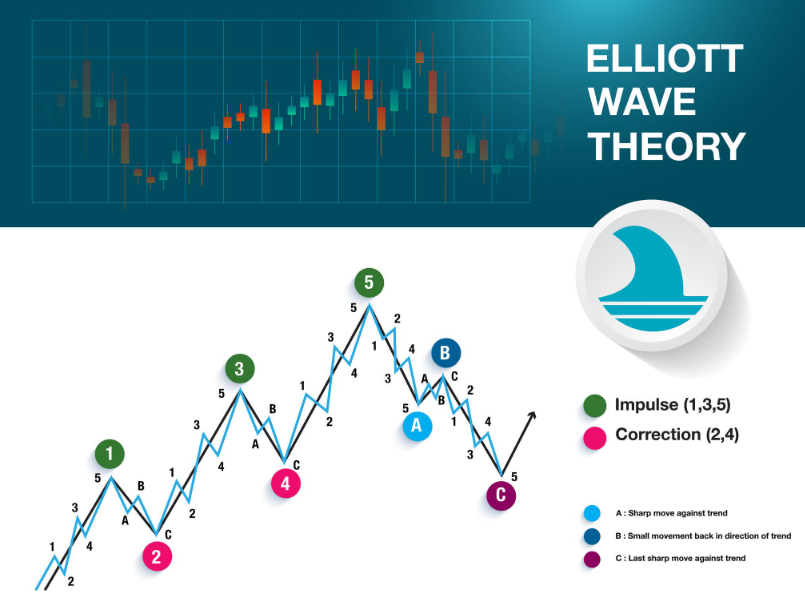
Fig 1.1 forex Elliott wave strategy chart showing impulse and corrective wave structure
Understanding Impulse and Corrective Waves
The foundation of Elliott wave forex trading lies in understanding impulse and corrective waves.
Impulse Waves
Impulse waves move in the direction of the main trend.
Key characteristics include:
- Strong momentum
- High trading volume
- Aggressive market movement
- Trend continuation behavior
Wave 3 is usually the strongest and longest impulse wave because institutional participation increases significantly.
Corrective Waves
Corrective waves move against the primary trend.
These waves usually appear as:
- Pullbacks
- Consolidations
- Temporary reversals
Corrective structures often follow ABC patterns.
Professional traders use corrective waves to identify better entry opportunities during strong trends.
How to Trade the Forex Elliott Wave Strategy
Successful forex Elliott wave strategy execution requires patience and accurate wave counting.
Professional traders typically follow a structured process.
1. Identify the Main Trend
Higher timeframes help determine the dominant market direction.
Traders usually start with:
- Daily chart
- 4-hour chart
- Weekly chart
This improves trend clarity before analyzing smaller wave structures.
2. Count the Wave Structure
Traders identify impulsive and corrective waves based on market movement.
Correct wave counting is essential because inaccurate labeling reduces trade reliability.
3. Use Fibonacci Confirmation
Fibonacci retracement plays a major role in Elliott wave forex trading.
Common Fibonacci relationships include:
| Fibonacci Level | Common Usage |
|---|---|
| 38.2% | Shallow retracement |
| 50% | Medium correction |
| 61.8% | Strong reversal zone |
Many corrective waves end near Fibonacci retracement levels.
4. Wait for Confirmation
Professional traders avoid entering trades based solely on wave counting.
They also look for:
- Candlestick confirmation
- Support and resistance zones
- Momentum indicators
- Trendline breaks
This improves trade quality and reduces false setups.
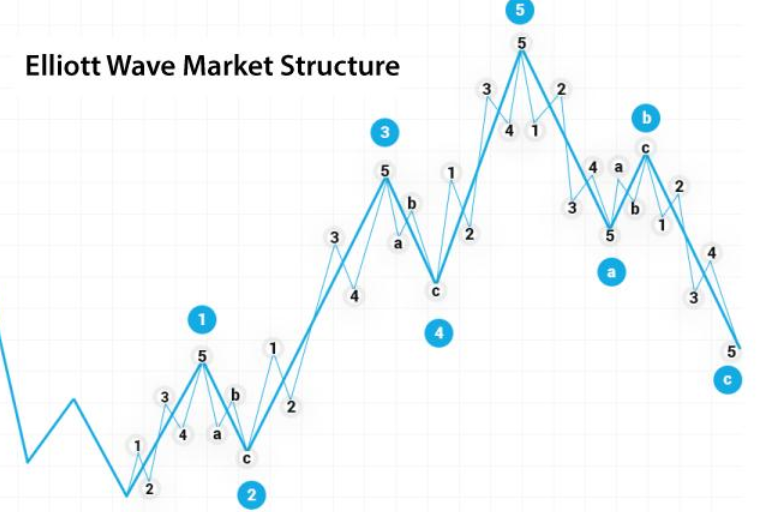
Fig 1.2 Elliott wave forex trading infographic explaining wave cycle structure
Best Elliott Wave Forex Trading Strategies
1. Trend Continuation Strategy
This strategy focuses on entering during Wave 3 or Wave 5 continuation moves.
Wave 3 is often considered the strongest trading opportunity because momentum accelerates rapidly.
Professional traders use forex Elliott wave strategy setups to identify these high-momentum phases early.
2. Corrective Wave Entry Strategy
Many traders wait for corrective ABC pullbacks before entering trend continuation trades.
This improves entry timing and risk-to-reward ratios.
Corrective retracements often provide lower-risk opportunities compared to chasing impulsive moves.
3. Wave Reversal Strategy
Advanced traders use Elliott Wave analysis to identify trend exhaustion near the end of Wave 5.
This can help predict major market reversals before they occur.
Risk Management in Elliott Wave Trading
Risk management is essential because wave analysis involves interpretation and probability rather than certainty.
Professional traders follow several key principles:
| Risk Management Rule | Benefit |
|---|---|
| Use stop losses | Protects capital |
| Wait for confirmation | Reduces false entries |
| Avoid emotional trading | Improves discipline |
| Focus on high-quality setups | Increases consistency |
| Trade with higher timeframe trend | Improves probability |
One major mistake traders make is forcing wave counts onto random market structures.
Successful Elliott wave forex trading requires flexibility and disciplined analysis.
Common Mistakes Traders Make
Many traders struggle with Elliott Wave analysis because they overcomplicate the process.
One common mistake is constantly changing wave counts after entering trades. This creates confusion and emotional decision-making.
Another issue is ignoring market context. Wave structures become more reliable when aligned with support and resistance, Fibonacci levels, and market momentum.
Some traders also rely solely on wave counting without confirmation.
Professional traders understand that forex Elliott wave strategy analysis works best when combined with broader technical analysis tools.
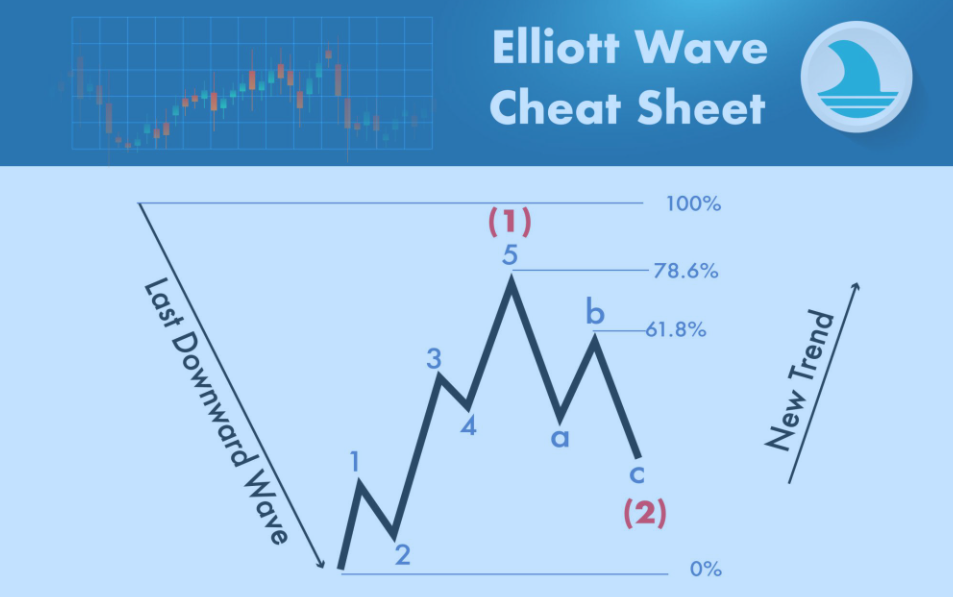
Fig 1.3 forex Elliott wave strategy with Fibonacci retracement confirmation
Advantages of Forex Elliott Wave Strategy
The popularity of forex Elliott wave strategy trading comes from its ability to identify market cycles and trend continuation opportunities.
Major advantages include:
- Better market structure understanding
- Early trend identification
- Strong Fibonacci integration
- Improved reversal analysis
- High risk-to-reward opportunities
- Long-term market forecasting
Wave analysis also helps traders understand market psychology more deeply.
FAQs
What is a forex Elliott wave strategy?
What is Elliott wave forex trading?
Which wave is strongest in Elliott Wave Theory?
Does Elliott Wave Theory work in forex trading?
Can beginners learn Elliott Wave trading?

Fig 1.4 professional trader analyzing Elliott wave forex trading setups on multiple monitors
Conclusion
Mastering the forex Elliott wave strategy allows traders to understand the natural rhythm and psychology of the forex market more effectively. Instead of reacting emotionally to short-term fluctuations, traders analyze structured wave cycles to identify high-probability trend continuation and reversal opportunities.
Successful Elliott wave forex trading requires patience, disciplined analysis, and proper confirmation. Traders must understand wave structure, Fibonacci relationships, and market context before relying on wave counts alone. The most successful traders combine Elliott Wave Theory with price action, support and resistance, and strong risk management principles.
When used correctly, Elliott Wave analysis can become a powerful framework for understanding market cycles, improving trade timing, and identifying long-term trading opportunities. In today’s competitive forex environment, mastering wave analysis provides traders with a deeper understanding of market behavior and a significant technical advantage.