
The Ultimate Guide to a Profitable Forex Exit Strategy
A successful forex trade is incomplete without a proper exit plan. Many traders enter the market with confidence but panic when price starts moving quickly. Without predefined exit rules, traders make impulsive decisions that damage profitability.
A structured forex trade exit strategy allows traders to remain calm and objective during market volatility. Instead of reacting emotionally, traders follow a plan that has already been tested and refined.
The forex market moves rapidly because of economic news, central bank decisions, geopolitical events, and changing market sentiment. In such conditions, traders who do not use a proper exit strategy often experience unnecessary losses.
Professional traders understand that protecting capital is more important than chasing unrealistic profits. This is why successful traders focus heavily on forex risk management exits and disciplined trade management. They know that long-term consistency matters more than winning every single trade.
Understanding the Psychology Behind Trade Exits
One of the biggest reasons traders struggle with exits is psychology. Human emotions strongly influence trading decisions, especially when real money is involved.
Fear causes traders to close profitable trades too early because they worry the market may reverse. Greed encourages traders to hold positions longer than necessary, hoping for larger gains. Hope keeps traders trapped in losing positions instead of accepting small controlled losses.
This emotional cycle creates inconsistent trading behavior. Traders who lack discipline often experience frustration because their profits disappear after strong entries.
A professional forex exit psychology approach removes emotional decision-making by creating predefined rules. Traders who follow structured exit systems usually achieve more stable and predictable performance over time.
Best Types of Forex Exit Strategy
Fixed Take-Profit Strategy
The fixed take-profit method is one of the most popular strategies among beginner traders. In this approach, traders decide their profit target before entering a trade. Once price reaches that level, the trade closes automatically.
This method is simple and highly effective for maintaining discipline. Traders avoid emotional interference because they already know when they will exit the market.
For example, if a trader risks 30 pips, they may target 60 or 90 pips profit depending on their strategy. This creates a balanced risk-to-reward structure that supports long-term profitability.
The biggest advantage of this strategy is consistency. Traders can measure performance more accurately and avoid making random decisions during market fluctuations. However, fixed targets sometimes limit profits during strong market trends because trades close before the trend fully develops.
Trailing Stop Exit Strategy
The trailing stop strategy is widely used by experienced traders who want to maximize profits during strong trends. Instead of using a fixed target, traders allow the stop-loss to move gradually as price moves in their favor.
This method protects profits while giving trades enough room to continue trending. It is one of the most effective approaches for achieving profitable forex exits during volatile market conditions.
For example, if EUR/USD rises by 100 pips, the trailing stop automatically adjusts upward to protect gains. If the market reverses, the position closes with secured profit.
The major benefit of this strategy is flexibility. Traders can capture large market moves without exiting too early. However, trailing stops require proper placement because tight stops may close trades during temporary pullbacks.
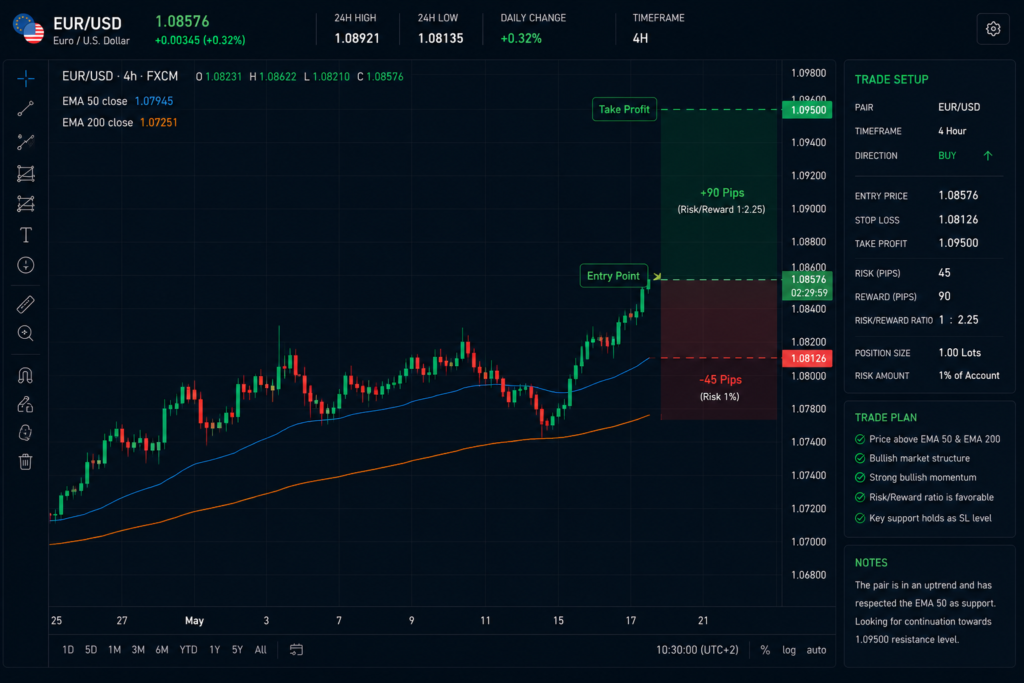
Fig 1.1 Professional forex exit strategy with stop loss and take profit
Support and Resistance Exit Strategy
Support and resistance levels are among the most reliable tools in technical analysis. These levels often act as natural barriers where price reversals occur.
Professional traders frequently use support and resistance zones for identifying forex market exit points. During buy trades, many traders close positions near resistance areas because sellers often enter the market there. During sell trades, exits commonly occur near strong support levels.
This strategy works well because financial markets repeatedly react to important price zones. Institutions, banks, and retail traders all monitor these levels, making them psychologically significant.
Using support and resistance exits improves trade timing and helps traders avoid unnecessary exposure during potential reversals.
The Role of Risk Management in Profitable Forex Exits
Risk management is the foundation of every successful trading strategy. Even the best entry setup can fail if traders do not control risk properly.
A professional forex stop loss strategy ensures that losses remain manageable. Successful traders never risk excessive amounts on a single trade because they understand that losses are part of trading.
The risk-to-reward ratio is particularly important for long-term profitability.
Risk-to-Reward Ratio=Potential ProfitPotential Losstext{Risk-to-Reward Ratio} = frac{text{Potential Profit}}{text{Potential Loss}}Risk-to-Reward Ratio=Potential LossPotential Profit
Many professional traders target a minimum 1:2 ratio. This means they aim to earn twice as much as they risk on each trade. Even with a lower win rate, traders can remain profitable by maintaining disciplined risk management.
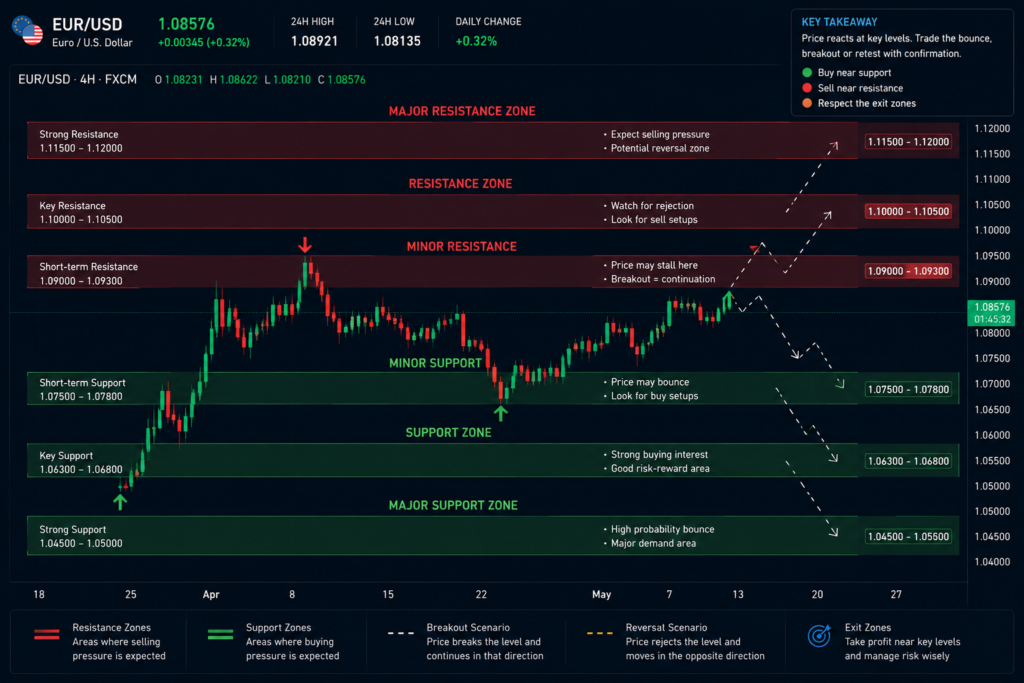
Fig 1.2 Support and resistance forex market exit points
Best Indicators for Forex Exit Signals
Technical indicators help traders identify possible trend reversals and momentum weakness. Although no indicator guarantees perfect exits, combining multiple tools improves decision-making.
The Relative Strength Index, commonly known as RSI, is widely used for identifying overbought and oversold conditions. Traders often close buy positions when RSI moves above 70 because the market may become overextended.
MACD is another powerful tool for spotting weakening momentum. When MACD lines cross, traders may consider securing profits before a reversal develops.
Moving averages are also effective for forex trend exit signals. If price closes below a major moving average during an uptrend, traders may exit long positions to protect profits.
These indicators work best when combined with price action and support/resistance analysis.
Common Mistakes Traders Make During Trade Exits
One of the biggest mistakes traders make is exiting profitable trades too early. Fear causes traders to secure small gains instead of allowing trades enough room to grow.
Another common mistake is removing stop-loss orders after entering trades. This behavior usually increases losses because traders refuse to accept small controlled losses.
Many traders also hold losing positions because they hope the market will reverse. Unfortunately, hope is not a reliable trading strategy. Professional traders accept losses quickly and focus on preserving capital.
Emotional trading is another major issue. Traders who constantly change their exit plans often experience inconsistent performance. A proper forex trade management strategy eliminates impulsive behavior and improves discipline.
How Professional Traders Achieve Consistent Results
Professional traders treat trading as a business rather than gambling. They understand that consistency comes from discipline, patience, and structured risk management.
Most experienced traders create detailed trading plans before entering the market. These plans include entry conditions, stop-loss placement, profit targets, and exit rules.
Professional traders also review past trades regularly to identify weaknesses in their strategies. Continuous improvement allows them to adapt to changing market conditions.
Another important habit is emotional control. Successful traders understand that losses are unavoidable. Instead of chasing revenge trades, they remain calm and follow their systems with discipline.
Building Your Own Forex Exit Strategy
Every trader has different goals, personalities, and risk tolerances. This means there is no universal exit strategy that works perfectly for everyone.
The first step in building a strong forex exit strategy is identifying your trading style. Scalpers usually prefer quick exits, while swing traders hold positions longer to capture larger trends.
After defining your style, establish clear stop-loss and take-profit rules. Avoid changing these rules emotionally during live trades.
Backtesting is also essential. Testing your strategy on historical charts helps identify strengths and weaknesses before risking real money.
Finally, focus on consistency instead of perfection. The goal is not to win every trade but to maintain a profitable edge over time.
FAQs
What is the best forex exit strategy for beginners?
The best strategy for beginners is usually a fixed take-profit and stop-loss approach. It is simple, easy to follow, and helps traders avoid emotional decision-making. Beginners should focus on discipline and consistency before trying advanced exit techniques.How do traders achieve profitable forex exits?
Traders achieve consistent exits by combining technical analysis, proper risk management, and emotional discipline. Using support and resistance levels, trailing stops, and risk-to-reward ratios improves exit quality significantly.Why is a stop-loss important in forex trading?
A stop-loss protects traders from large losses during unexpected market movements. It is a critical part of every professional forex stop loss strategy because it preserves trading capital and reduces emotional stress.Are trailing stops better than fixed take-profit levels?
Trailing stops are often more effective during strong market trends because they allow profits to grow. Fixed targets provide more structure and simplicity. The best choice depends on your trading style and market conditions.Which indicators help with forex trend exit signals?
Popular indicators include RSI, MACD, moving averages, and Bollinger Bands. These tools help traders identify momentum changes and possible trend reversals.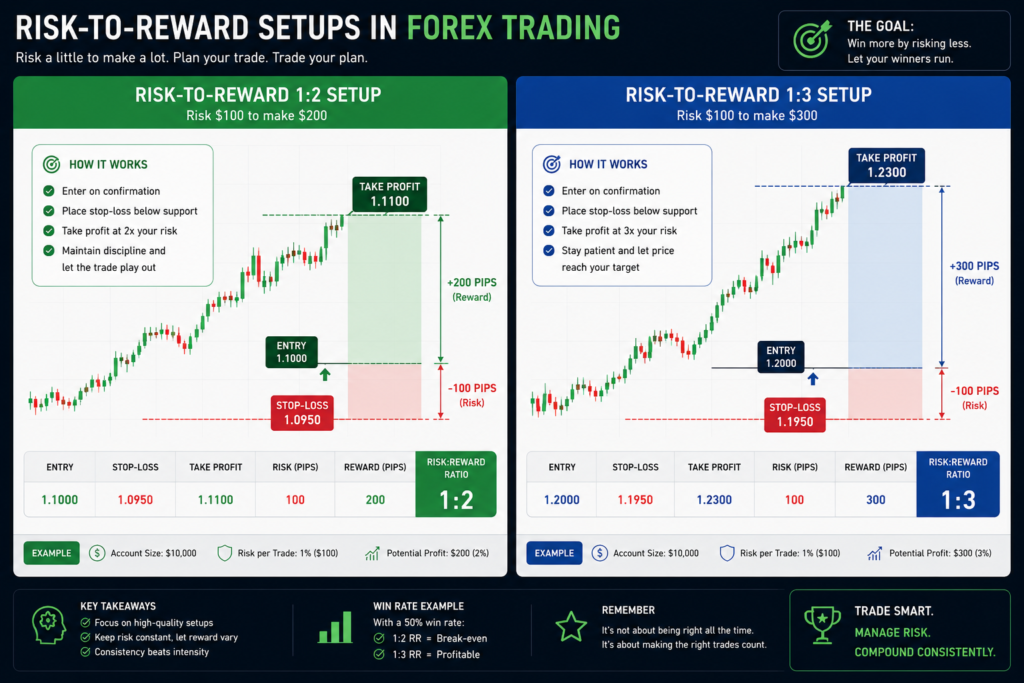
Fig 1.3 Forex risk management exits and risk reward ratio illustration
Conclusion
A professional forex exit strategy is one of the most important components of successful trading. Many traders focus only on finding perfect entries, but experienced traders understand that exits determine actual profitability. Without a structured plan, emotions such as fear and greed quickly take control and lead to inconsistent results.
Achieving profitable forex exits requires discipline, patience, and effective risk management. Traders who use trailing stops, support and resistance levels, technical indicators, and proper stop-loss placement improve their chances of long-term success. More importantly, they protect their capital during difficult market conditions.
The forex market constantly changes, which means traders must continue refining their exit techniques over time. A smart forex trade management strategy helps traders remain consistent, avoid emotional mistakes, and build sustainable profitability. Instead of chasing unrealistic profits, focus on controlled risk, disciplined execution, and continuous improvement. In the long run, traders who master their exits usually outperform those who focus only on entries.