
Forex Trade Management: The Complete Guide to Smarter and More Profitable Trading
The forex market moves fast, and traders who survive long term are not always the ones with the best entry signals. In reality, traders who master forex trade management usually achieve better consistency and stronger account growth over time. Managing trades properly allows traders to reduce emotional decisions, control losses, and maximize profitable opportunities in different market conditions.
Many beginner traders focus only on indicators and trade entries, but experienced traders understand that proper management is the real foundation of profitable trading. Without a structured plan, even a good strategy can fail because of poor risk handling and emotional mistakes. This is why professional traders spend more time managing risk and protecting capital than searching for perfect entries.
Modern forex trading is highly competitive, and market volatility can change quickly because of economic news, geopolitical events, and investor sentiment. Traders who use smart forex market forecasting together with disciplined management techniques can improve decision-making and reduce unnecessary exposure to risk. A successful trading career depends on consistency, patience, and proper execution rather than short-term excitement.
What Is Forex Trade Management?
Forex trade management refers to the complete process of controlling and monitoring a trade from entry to exit. It includes position sizing, stop-loss placement, take-profit targets, risk-reward ratios, leverage control, and emotional discipline. Effective management ensures that traders follow a structured approach instead of reacting emotionally to market movements.
Professional traders understand that every trade carries risk. Because of this, they never enter the market without a predefined plan. A trade management strategy helps traders identify how much capital they are willing to risk, where they should exit losing trades, and how they can secure profits during favorable market conditions.
Trade management is also important because no trading strategy has a 100% win rate. Losses are part of trading, but proper management reduces the impact of those losses and protects the account from major drawdowns. Traders who ignore management often overtrade, use excessive leverage, or hold losing positions for too long, which can quickly destroy trading capital.
Why Forex Trade Management Is Important
One of the biggest reasons traders fail is poor risk control. Many traders open positions without calculating potential losses, and they allow emotions to influence their decisions. Effective forex trade management helps traders stay disciplined and avoid impulsive actions that can damage long-term profitability.
Proper management creates consistency because traders follow clear rules instead of guessing market direction. This structure helps traders remain calm during volatility and maintain confidence even during losing streaks. Professional traders focus on protecting capital first because they understand that survival in the market is more important than chasing unrealistic profits.
Another major advantage of trade management is improved psychological stability. Fear and greed are common emotional challenges in trading. When traders use a clear plan with stop losses and realistic targets, they reduce stress and make more rational decisions. This psychological control is essential for maintaining long-term performance.
Strong management also supports better forex market forecasting because traders can analyze market conditions objectively instead of reacting emotionally. Forecasting combined with risk management creates a balanced approach that improves decision-making and overall trading discipline.
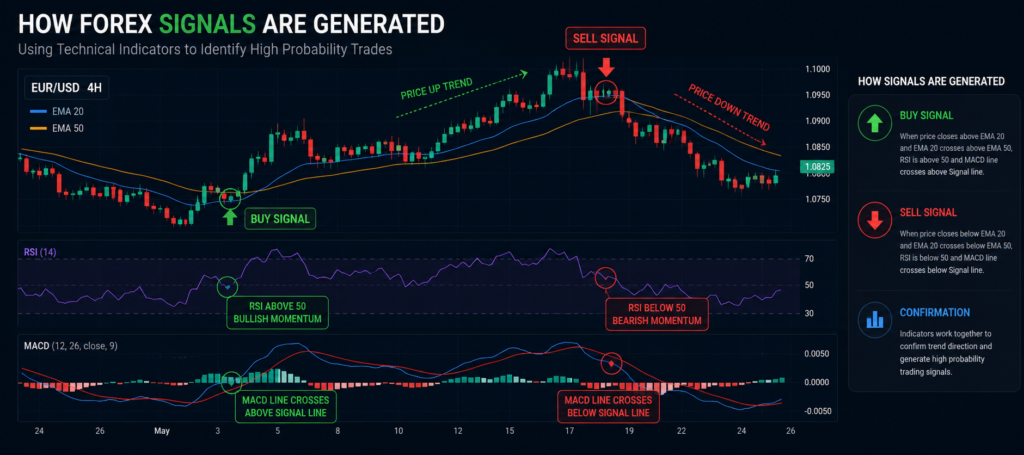
Fig 1.1 Professional forex trade management dashboard
Key Elements of Successful Forex Trade Management
Position Sizing and Capital Protection
Position sizing is one of the most important parts of forex trade management because it determines how much money is at risk on every trade. Professional traders usually risk only a small percentage of their account balance on a single position. This approach protects the account from significant damage during losing periods.
For example, if a trader risks only 1% of the account balance per trade, the account can survive multiple losses without major financial pressure. Traders who risk too much on single trades often experience emotional stress and make poor decisions under pressure.
Capital protection is the primary goal of professional trading. Successful traders focus on staying in the market long enough to benefit from future opportunities rather than trying to become rich quickly.
Stop-Loss Strategy
A stop-loss order is designed to close a trade automatically when the market reaches a predefined loss level. Stop losses are essential because the forex market can move aggressively during high volatility.
Professional traders place stop losses based on technical analysis rather than emotions. They often use support and resistance zones, trend lines, or volatility measurements to determine proper stop-loss placement. Random stop losses usually lead to inconsistent results because they do not reflect actual market conditions.
Using stop losses correctly protects traders from catastrophic losses and helps maintain discipline during unexpected market movements.
Risk-Reward Ratio
The risk-reward ratio compares potential profit to potential loss. A healthy ratio allows traders to remain profitable even if some trades fail. Many professional traders target at least a 1:2 ratio, meaning the potential reward is twice the possible loss.
For example, risking 50 pips to gain 100 pips creates a favorable trading setup. This approach ensures that profitable trades can offset multiple small losses. Maintaining strong risk-reward ratios is a key component of long-term trading consistency.
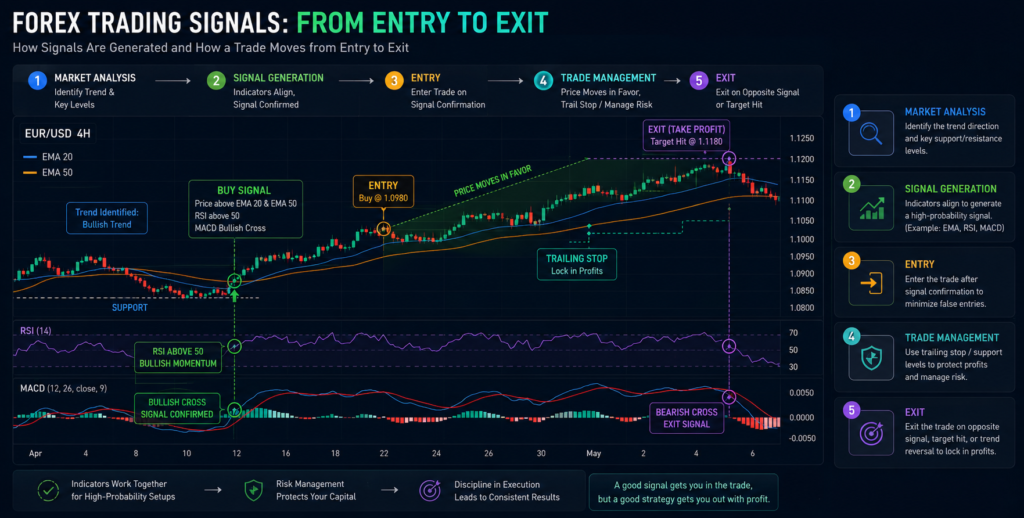
Fig 1.2 Forex risk management and position sizing strategy
The Role of Forex Market Forecasting in Trade Management
Forex market forecasting helps traders predict possible market direction using technical and fundamental analysis. Forecasting allows traders to identify trends, volatility levels, and potential reversal areas before entering positions.
Technical forecasting involves chart patterns, indicators, support-resistance zones, moving averages, and price action analysis. These tools help traders understand market momentum and identify high-probability setups.
Fundamental forecasting focuses on economic events such as interest rate decisions, inflation reports, employment data, and geopolitical developments. Major economic announcements often create strong volatility, making proper trade management even more important.
Combining forecasting with disciplined trade management creates a professional trading system. Traders can improve timing, reduce unnecessary risk, and make more informed decisions during changing market conditions.
Common Forex Trade Management Mistakes
Many traders fail because they ignore basic management principles and focus only on profits. One of the most common mistakes is emotional trading. Traders often panic during losses or become overly confident after winning trades. Emotional reactions usually lead to poor decisions and inconsistent performance.
Another common mistake is overleveraging. High leverage can increase profits, but it also increases risk significantly. Many beginner traders use excessive leverage without understanding its dangers. A single market movement can wipe out a large portion of the trading account.
Ignoring stop losses is another major issue. Some traders remove stop losses hoping the market will reverse in their favor. This habit often leads to massive losses and emotional stress.
Overtrading is also dangerous because it reduces focus and increases psychological pressure. Professional traders wait patiently for quality setups instead of opening random positions.
How Professional Traders Manage Forex Trades
Professional traders approach trading like a business rather than gambling. They follow structured routines and focus on long-term consistency instead of short-term excitement. Every trade is planned carefully before execution.
Experienced traders begin with detailed market analysis and forex market forecasting. They identify trends, key support and resistance levels, and possible risk factors before entering positions. After confirming a setup, they calculate risk exposure and define stop-loss and take-profit levels.
Trade monitoring is another important step. Professional traders adjust stop losses when the market moves in their favor and avoid emotional interference during volatility. They also maintain trading journals to analyze performance and improve future decision-making.
This disciplined process helps traders remain consistent and avoid common emotional mistakes.
Benefits of Using a Forex Trade Management Plan
A structured management plan improves trading performance by creating consistency and reducing emotional pressure. Traders who follow a clear strategy are less likely to panic during market fluctuations.
A strong management plan also protects trading capital during difficult market conditions. Losses become manageable, and traders can continue operating without major psychological stress.
Another important benefit is improved confidence. Traders who understand risk and follow a structured approach make better decisions because they trust their system. This confidence supports long-term growth and professional development.
FAQs
What is the main purpose of forex trade management?
The main purpose of forex trade management is to protect trading capital while maximizing profitable opportunities. It helps traders control risk, manage emotions, and maintain long-term consistency in the forex market.How does forex market forecasting improve trading?
Forex market forecasting helps traders analyze market direction, identify trends, and predict potential reversals. Accurate forecasting improves decision-making and allows traders to plan trades more effectively.Why is stop-loss placement important in forex trading?
Stop-loss placement protects traders from excessive losses during unexpected market movements. It also helps traders remain disciplined and avoid emotional trading decisions.What is a good risk-reward ratio in forex trading?
Many professional traders prefer a minimum risk-reward ratio of 1:2 because it allows profitable trades to recover multiple small losses over time.Can beginners succeed with proper forex trade management?
Yes, beginners can improve significantly by learning proper forex trade management, controlling leverage, using stop losses, and maintaining emotional discipline.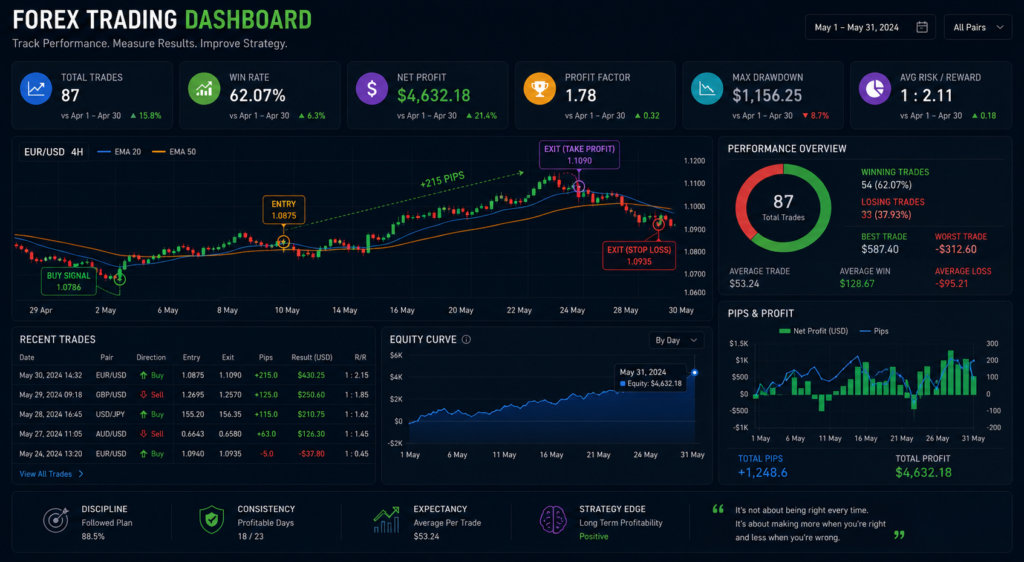
Fig 1.3 Forex trading journal and performance management analysis
Conclusion
In today’s fast-paced financial environment, forex trading signals have become a powerful tool for traders who want to improve decision-making and reduce uncertainty in the market. However, signals alone are not enough to guarantee success. Their true effectiveness comes when they are combined with a structured forex entry and exit strategy, disciplined risk management, and consistent market analysis.
Traders who approach the market with a clear plan and realistic expectations are more likely to achieve long-term stability. Instead of chasing random opportunities, successful traders focus on understanding market structure and using signals as supportive tools rather than complete solutions. When applied correctly, forex trading signals can significantly enhance trading efficiency, improve timing accuracy, and support a more professional and strategic trading approach in the global forex market.
The role of forex technical analysis is equally important, as it provides structured tools to interpret price movements, identify entry and exit points, and confirm trend strength. Without technical analysis, trading becomes emotional and inconsistent, leading to poor decision-making.
A successful trading strategy combines trend identification, technical indicators, and strong risk management. Market behavior is influenced by global economic events, but technical tools help translate that information into actionable trading decisions.
In conclusion, mastering forex market trends is not about predicting the market but about understanding its structure and following it with discipline. Traders who combine knowledge, patience, and strategy can build long-term consistency in the forex market.