
Introduction
The currency market attracts millions of newcomers every year, yet most arrive carrying a backpack full of misconceptions. These forex trading myths shape how beginners size positions, chase signals, and react to losses, and they often do more damage than any single bad trade ever could. Some traders believe the market is a guaranteed money machine, while others insist the whole industry is rigged against the little guy. The truth sits somewhere in the messy middle, and understanding that nuance separates disciplined traders from gamblers. In this article, we strip away the noise and examine the most persistent falsehoods one by one. You will see what research actually says, what professional traders admit in print, and how realistic expectations protect your capital. By the end, you will read marketing claims with sharper eyes and trade with a clearer head.
Why does this matter so much? Because beliefs become behavior. A trader who secretly expects to get rich in a month will size every position too large, refuse to take small losses, and treat the market like a slot machine. A trader who quietly suspects the whole thing is a con will hesitate, second-guess sound setups, and never commit to learning the craft properly. The myths are not harmless background noise. They are the silent operating system running underneath every click of the buy and sell button. Replace faulty beliefs with accurate ones, and your decisions improve before you even study a single chart pattern.
Myth 1: Forex Is a Guaranteed Get-Rich-Quick Scheme
The most seductive of all forex trading myths is the promise of fast, effortless wealth. Social media feeds overflow with rented sports cars and screenshots of five-figure days, and that imagery sells courses far better than the truth ever could. Real trading looks nothing like that highlight reel. Professional traders treat the market as a probability game where small edges compound over years, not afternoons. Consistent profitability demands study, journaling, emotional control, and a tolerance for long flat stretches. Beginners who expect to double their account in a month almost always over-leverage, abandon their plan, and blow up. The market rewards patience and punishes desperation. When you accept that forex is a slow craft rather than a lottery ticket, you stop making decisions out of greed and start managing risk like a professional.
Look closely at the get-rich-quick pitch and the mechanism becomes obvious. The person selling the dream rarely earns money from trading itself. They earn it from the course, the signal subscription, the affiliate link, or the rented lifestyle that funnels you toward all three. Genuine returns in forex are measured in modest percentages compounded patiently, not in account-tripling weekends. A trader who grows capital by a steady, realistic amount each year is doing extraordinarily well by professional standards, yet that reality never trends on social media because it is too slow to be exciting.
So what does a disciplined trader actually do? They define a fixed risk per trade, usually a small percentage of the account, and they never deviate from it no matter how confident a setup feels. They keep a journal, review losing trades without flinching, and measure success over hundreds of trades rather than a single lucky run. They treat drawdowns as a normal cost of doing business rather than a personal emergency. Most importantly, they detach their self-worth from any one outcome. That emotional steadiness, not a secret strategy, is what lets them survive long enough for their edge to matter.
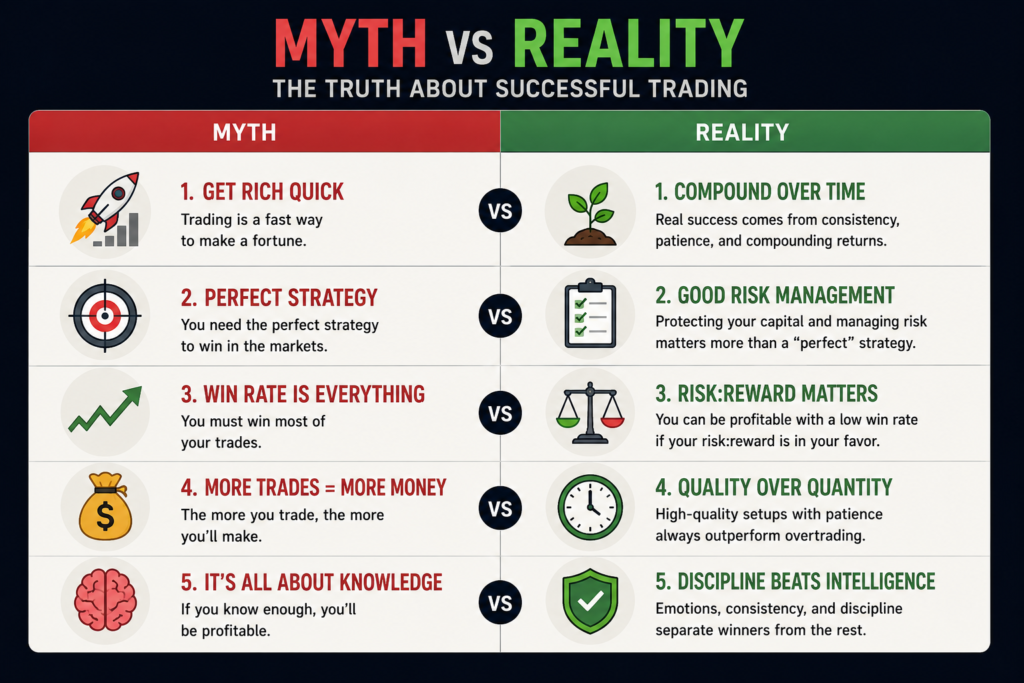
Fig 1.1 Forex trading myths debunked get-rich-quick
Myth 2: Forex Is All a Scam
At the opposite extreme lives the belief that the entire industry is a fraud designed to steal your money. The forex trading is a scam truth is more nuanced and more useful than a flat yes or no. The underlying market is real, enormous, and legitimate. Trillions of dollars in currency change hands every day as banks, corporations, governments, and tourists exchange money for genuine economic reasons. What deserves suspicion is the layer of bad actors who orbit this real market. Unregulated brokers, fake signal sellers, guaranteed-return account managers, and Ponzi-style copy schemes prey on hopeful beginners. The scam is rarely the market itself; it is the predator selling certainty. Protect yourself by trading only with regulated brokers, ignoring anyone who promises fixed returns, and never handing your capital to a stranger. Forex is not a scam, but scams hide inside forex.
It helps to understand where this myth comes from. Many people who call forex a scam are simply traders who lost money and needed an explanation that did not implicate their own decisions. Blaming a rigged market feels better than admitting to over-leverage or a missing plan. That emotional reflex is human, but it obscures the real lesson. The market did not cheat them; their lack of risk management did. Recognizing this distinction is itself part of the forex trading is a scam truth, because it points the spotlight back at the controllable factors that actually decide outcomes.
A disciplined trader treats due diligence as the first trade they ever make. They verify that a broker is licensed by a recognized regulator before depositing a cent. They read the fine print on spreads, withdrawals, and execution. They refuse any arrangement that promises a fixed monthly return, because no legitimate market can guarantee profit. And they never grant a stranger control over their funds. By filtering out the predators at the door, they get to interact with the genuine market on fair terms, which is all any serious trader can reasonably ask for.
| Myth | Reality |
|---|---|
| Forex guarantees fast riches | It is a slow, skill-based probability game |
| The whole market is a scam | The market is real; scammers exploit it |
| You need huge capital to start | Many accounts open with $100 or less |
| More trades mean more profit | Overtrading erodes returns and discipline |
| Indicators predict the future | Indicators describe the past, not destiny |
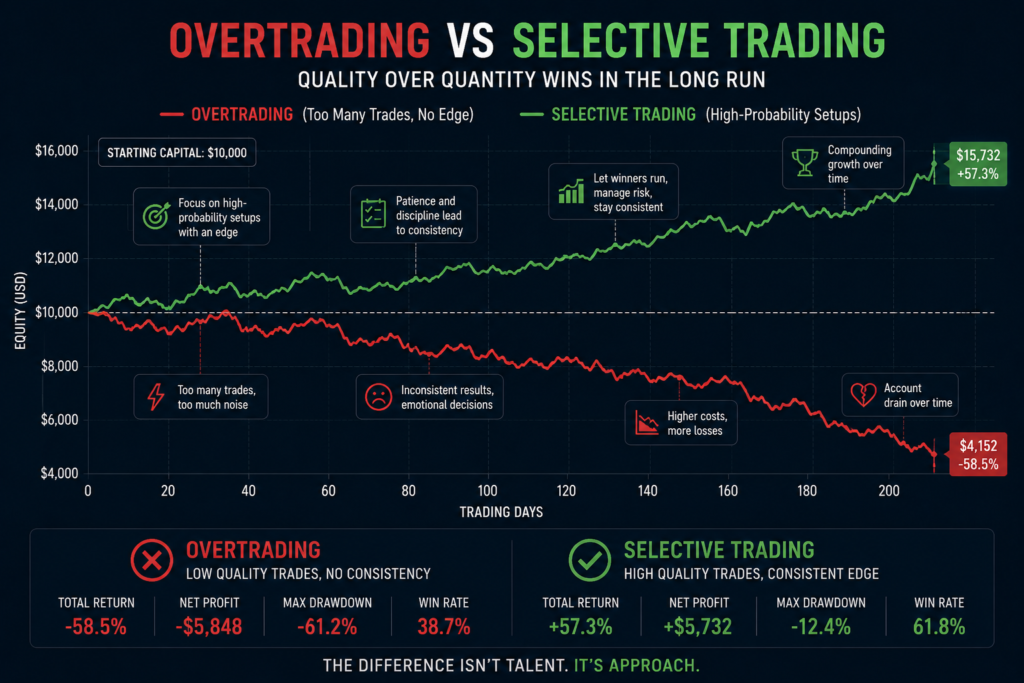
Fig 1.2 Forex trading myths versus reality table
Myth 3: You Need Huge Capital to Begin
Many would-be traders never start because they assume the market belongs to the wealthy. In reality, leverage and micro lots have lowered the barrier to entry dramatically. You can open an account with a small deposit and trade position sizes measured in cents per pip. The real constraint is not capital but risk management. A trader with $500 who risks one percent per trade behaves far more sensibly than a trader with $50,000 who gambles a quarter of the account on a single hunch. That said, small accounts come with an honest caveat: realistic percentage gains produce small dollar amounts, which tempts beginners into reckless leverage to speed things up. This is one of the common forex trading mistakes that quietly destroys new accounts. Start small to learn the mechanics and tame your emotions, then scale your capital only after you prove consistency. Size follows skill, never the reverse.
The flip side of this myth is just as dangerous as the myth itself. Because the barrier to entry is so low, beginners often confuse access with readiness. Opening an account takes minutes, but learning to read structure, manage risk, and control emotion takes far longer. The low cost of entry means the market is happy to take your money before you are ready to keep your own. A disciplined trader respects that gap. They treat the early months as tuition for an education, not as a sprint toward riches, and they keep their stakes small enough that mistakes teach lessons rather than end careers.
What a disciplined trader actually does with a small account is treat every decision as practice for a larger one. They risk the same fixed percentage they would on a big account, so their habits scale cleanly when the capital grows. They resist the urge to crank up leverage to make the numbers feel meaningful, because they know that habit is exactly what wipes out small accounts. They focus on the process metrics they can control, such as following the plan and logging every trade, rather than the dollar figure they cannot rush. When consistency arrives, additional capital simply amplifies a method that already works.
Myth 4: More Trades Equal More Profit
Beginners often equate activity with progress, assuming that the trader glued to charts placing dozens of orders must be outperforming the patient one who waits. The data tells the opposite story. Overtrading is among the common forex trading mistakes that bleed accounts through spreads, commissions, and emotional exhaustion. Every trade carries a cost, and forcing setups that do not exist simply hands money to the broker and to better-positioned counterparts. Quality beats quantity. A disciplined trader who takes three high-probability setups in a week often finishes ahead of the frantic one who takes thirty mediocre ones. Patience is a position. Sitting on your hands during unclear conditions protects capital for the moments that genuinely favor you. The market does not reward effort or screen time; it rewards selectivity, and learning to wait is one of the hardest and most profitable skills a trader can build.
There is a psychological engine behind overtrading that is worth naming. After a loss, many traders feel an urgent need to win the money back immediately, so they jump into a weak setup out of revenge. After a win, others feel invincible and chase the high with a careless follow-up trade. Boredom drives a third pattern, where a quiet market tempts a restless trader into manufacturing action just to feel busy. Each of these impulses converts emotion into unnecessary risk. Naming them is the first step toward refusing to obey them.
A disciplined trader treats inactivity as a legitimate and often optimal choice. They define in advance what a valid setup looks like, and if the market does not offer one, they simply do not trade. They understand that protecting capital during poor conditions is exactly what leaves them solvent and clear-headed when strong conditions return. Far from being passive, this restraint is an active decision repeated many times a day. The frantic trader mistakes motion for progress, while the patient trader knows that the best trade is frequently no trade at all.
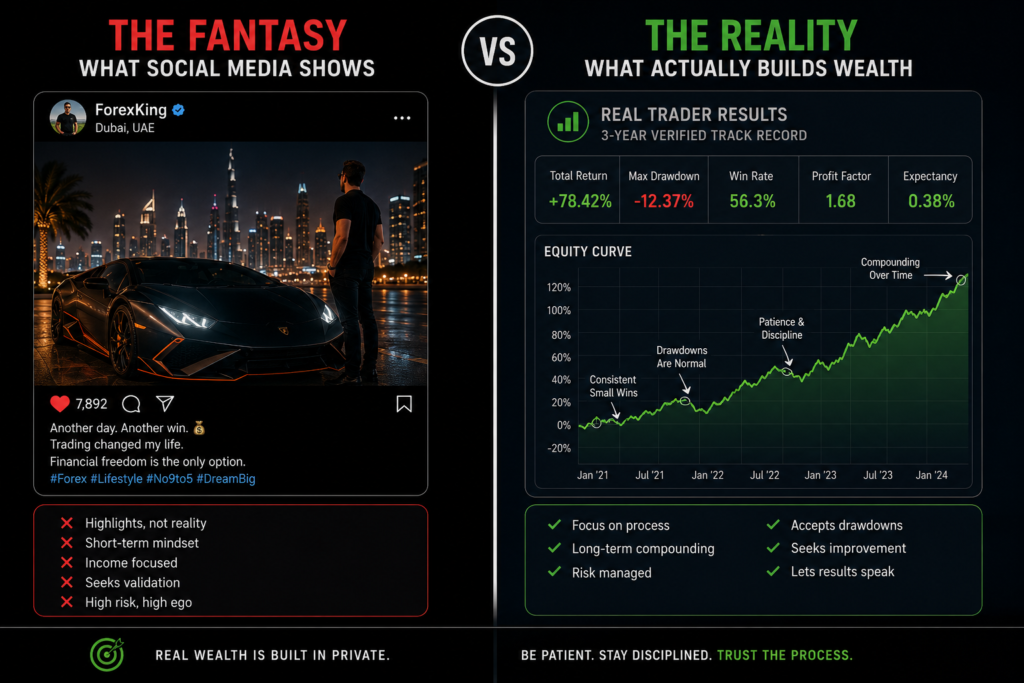
Fig 1.3 Common forex trading mistakes overtrading equity
Myth 5: Indicators Predict the Future
New traders frequently hunt for the perfect indicator, convinced that the right combination of moving averages and oscillators will reveal tomorrow’s price. No indicator predicts the future. Every one of them is a mathematical transformation of past price and volume, which means it describes what already happened rather than what comes next. Indicators are useful for framing context, gauging momentum, and confirming a thesis, but they lag by design. Traders who stack ten indicators usually end up paralyzed by conflicting signals, a trap sometimes called analysis paralysis. The market moves on order flow, liquidity, news, and sentiment, none of which a lagging line can foresee. Treat indicators as one input within a broader plan that respects risk, structure, and probability. The goal is not certainty, which does not exist, but a repeatable edge applied with discipline across many trades. Accepting uncertainty is itself a competitive advantage in forex.
The hunt for a magic indicator is really a hunt for certainty, and certainty is the one thing markets refuse to provide. Beginners pile on tools hoping that enough confirmation will remove the discomfort of risk. Instead, more indicators usually mean more contradictions, more hesitation, and more missed opportunities. A disciplined trader inverts the approach. They choose a small number of tools that suit their strategy, learn them deeply, and accept that even a strong signal will sometimes fail. They size their risk so that being wrong is survivable, which frees them to act decisively without needing a guarantee.
This is also why the cleanest charts often belong to the best traders. They are not trying to predict the next candle; they are trying to identify conditions where the odds tilt slightly in their favor, then manage the trade well regardless of the outcome. They read indicators as a description of context rather than a prophecy, and they let price action and risk management carry the real weight. By making peace with uncertainty instead of fighting it, they avoid the paralysis that traps newcomers and act with the calm consistency that long-term profitability demands.
Myth 6: You Must Watch the Charts All Day
A stubborn belief holds that real traders sit hunched over six monitors from open to close, and that anyone who steps away is leaving money on the table. The opposite is frequently true. Staring at every tick invites impulsive decisions, erodes patience, and turns a clear plan into a stream of emotional reactions. The market does not pay you for attendance. Many consistently profitable traders operate on higher timeframes, place their orders, set their stops, and then close the platform entirely. Constant screen time often correlates with overtrading rather than with returns, because the longer you watch, the more tempted you become to interfere with positions that were fine left alone.
What a disciplined trader actually does is build a routine that respects both the market and their own attention. They identify the sessions or hours that suit their strategy, do focused work during that window, and step away the rest of the time. They use limit orders and predefined stops so that a trade can play out without them babysitting it. This structure protects them from the fatigue and boredom that fuel poor decisions. Trading is a marathon of judgment, and judgment degrades when you are glued to a screen for twelve hours. Stepping away is not laziness; it is risk management for the mind.
Myth 7: Demo Success Guarantees Live Success
Perhaps the most quietly painful of the forex trading myths is the assumption that a profitable demo account guarantees profits with real money. The mechanics are identical, but the psychology is not. On a demo account, losses cost nothing, so fear and greed stay dormant and decisions feel effortless. The moment real capital is on the line, the same setups trigger a flood of emotion. Hands hesitate before pulling the trigger, stops get moved out of panic, and winners get closed too early out of fear. Many traders who looked unstoppable in simulation fall apart in their first live week, not because their strategy broke but because their nervous system did.
A disciplined trader treats the demo phase as a place to validate mechanics, not emotions, and they bridge the gap deliberately. They move to live trading with the smallest possible position sizes, accepting that the early goal is to learn to manage real fear rather than to make money. They expect a performance dip during this transition and plan for it instead of being blindsided by it. By respecting the psychological leap between simulated and real risk, they convert demo skill into live skill gradually. The demo proves the method; only live trading, sized responsibly, proves the trader.
Why These Myths Persist
If these misconceptions are so damaging, why do they survive year after year? Part of the answer is commercial. An entire ecosystem profits from selling certainty, speed, and secrets to people who would rather buy a shortcut than build a skill. Courses, signal groups, and expert advisors all thrive on the very forex trading myths this article debunks, so they have every incentive to keep them alive. Hype spreads faster than nuance, and a screenshot of a tripled account will always travel further than an honest equity curve that grinds upward slowly.
The other part of the answer is human nature. People are drawn to stories that promise easy reward and to explanations that protect their ego. The get-rich-quick myth flatters our desire for effortless wealth, while the everything-is-a-scam myth comforts those who have already lost. Both let the believer avoid the harder truth, which is that lasting success comes from patience, discipline, and accepting genuine risk. A trader who understands why the myths persist is far harder to fool, because they can spot the emotional hook before it sets. Seeing the machinery behind the illusion is, in its own way, the beginning of real expertise.
What Top Traders and Research Say
The professionals who last in this business reinforce these lessons rather than the myths. In Trading in the Zone, Mark Douglas argues that consistent traders think in probabilities and accept that any single trade can lose, a mindset that dismantles the get-rich-quick fantasy at its root. Jack Schwager’s Market Wizards interviews show top performers obsessing over risk control and psychology rather than secret indicators. Academic research delivers an even sharper verdict on overtrading. Brad Barber and Terrance Odean’s landmark study, “Trading Is Hazardous to Your Wealth,” found that the most active traders earned the worst net returns, confirming that frequency erodes performance. Kahneman and Tversky’s work on loss aversion further explains why traders cling to losers and cut winners short, sabotaging themselves emotionally. None of this means forex cannot be profitable. It means profit comes from discipline, not magic. As Paul Tudor Jones put it, “The most important rule is to play great defense.” Real risk exists, and respecting it is the edge.
It is worth sitting with how consistent this message is across very different sources. A trading psychologist, a collection of elite traders, and rigorous academic data all arrive at the same conclusion from independent directions. None of them point to a secret indicator, a perfect entry, or a path to overnight riches. They point instead to risk control, emotional discipline, and realistic expectations. When voices that have no reason to agree converge so completely, the signal is hard to dismiss. The myths sell because they are exciting; the experts agree because the boring truth is what actually works.
Frequently Asked Questions
Is forex trading actually a scam? No, the underlying currency market is genuine and the largest financial market in the world. The forex trading is a scam truth is that the market itself is legitimate, but scammers operate around its edges. Unregulated brokers, fake signal sellers, and guaranteed-return account managers commit the actual fraud. Trade only with regulated brokers and treat any promise of fixed profits as a red flag.
Why do most forex traders lose money? Most losses trace back to a handful of common forex trading mistakes rather than market rigging. Beginners over-leverage, skip risk management, chase trades emotionally, and abandon their plans after a loss. Overtrading and unrealistic expectations compound the damage. Traders who survive focus on protecting capital, risking a small fixed percentage per trade, and accepting losses as a normal cost of doing business.
Can you get rich quick with forex? This is one of the most damaging forex trading myths. Sustainable trading is a slow craft built on small statistical edges compounded over years. The flashy lifestyle content selling instant wealth usually promotes courses, not real results. Expect a long learning curve, flat periods, and drawdowns. Patience and consistency, not speed, define traders who actually keep their gains.
Do you need a lot of money to start trading forex? No. Micro lots and leverage let you open an account with a small deposit and control modest position sizes. The catch is that small accounts produce small dollar gains, which tempts beginners into reckless leverage. Start small to learn discipline and mechanics, then scale your capital gradually after you prove you can trade consistently.
Does success on a demo account mean I will profit live? Not automatically. The mechanics are identical, but live trading introduces real fear and greed that a demo cannot replicate. Many traders perform well in simulation and then struggle once money is at stake. Transition to live trading with very small position sizes so you can learn to manage emotion before you scale up.
Are forex indicators reliable for predicting price? Indicators do not predict the future. They transform past price and volume, so they always lag. They help frame momentum and context but cannot foresee news, liquidity shifts, or order flow. Stacking too many indicators causes analysis paralysis. Use them as one input inside a risk-managed plan rather than a crystal ball.
Final Thoughts
Stripping away the forex trading myths is the most valuable preparation a new trader can do before risking a single dollar. The market is neither a guaranteed jackpot nor an elaborate fraud; it is a real, demanding arena where probability, discipline, and emotional control decide who survives. Believing the hype leads to over-leverage and ruin, while believing the cynics keeps you on the sidelines of a legitimate opportunity. The truth empowers you to act with clear eyes. Respect the genuine risk of loss, ignore anyone selling certainty, avoid the common forex trading mistakes that drain accounts, and build your skill patiently like the professionals quoted above. Realistic expectations are not pessimism; they are the foundation of longevity. When you trade the market as it actually is, rather than as marketers describe it, you give yourself a real chance to last.