
Forex Trading Journal Complete Professional Guide for Traders
A forex trading journal is one of the most powerful yet underused tools in trading. Most traders focus heavily on strategies, indicators, and market analysis, but they ignore the one thing that actually builds long-term consistency tracking their own behavior.
A trading journal is not just a record of trades. It is a structured system that documents your decisions, emotions, mistakes, and performance over time. Professional traders use it to refine strategies and eliminate emotional trading patterns.
If you want to become consistent in the forex market, then mastering your journal is more important than finding the “perfect strategy.”
What is a Forex Trading Journal?
A forex trading journal is a detailed record where traders log every trade they take in the market. It includes entry price, exit price, risk level, strategy used, market condition, and emotional state during the trade.
Unlike simple trade tracking, a journal focuses on behavior and decision-making quality. It allows traders to understand why they are winning or losing instead of just seeing the result.
Over time, this process builds self-awareness, which is one of the strongest advantages in trading. Traders who consistently maintain a journal develop discipline, reduce impulsive decisions, and improve their execution quality significantly.
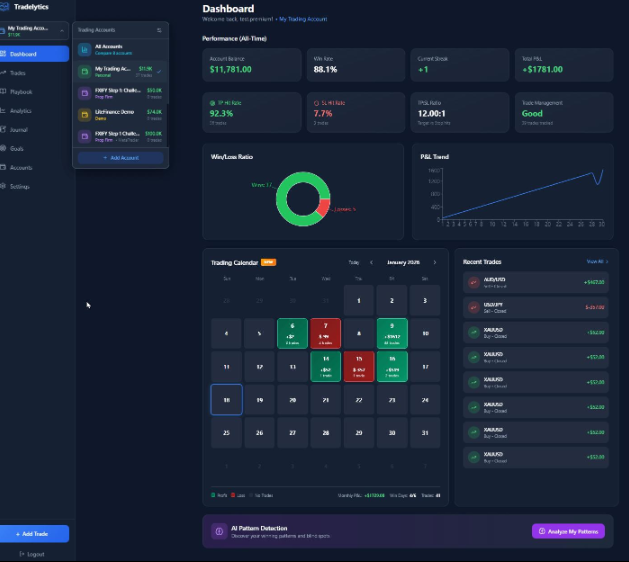
Fig 1.1 Forex trading journal notebook showing trade entries and chart analysis for performance tracking
Why Forex Trading Journals Are Important for Success
A forex trading journal plays a critical role in transforming random trading into a structured system. Without it, traders often repeat the same mistakes because they never properly analyze past performance.
When you maintain a journal consistently, you start noticing patterns in your behavior. You may discover that most of your losses happen during emotional trades or during specific market conditions. This awareness allows you to adjust your strategy accordingly.
Another important benefit is accountability. When every trade is recorded, traders become more disciplined and cautious. They think twice before entering low-quality setups. Over time, this leads to improved risk management and better trading psychology.
In simple terms, a trading journal turns experience into data, and data into improvement.
Best Forex Trading Journal App for Modern Traders
In today’s digital era, many traders prefer using a forex trading journal app instead of manual tracking. These apps automatically record trades, analyze performance, and provide insights that help improve decision-making.
A good trading journal app does more than just store data. It helps traders understand their win rate, risk-to-reward ratio, drawdown levels, and strategy effectiveness.
Popular tools like Myfxbook, TraderSync, and Edgewonk offer advanced analytics features that make performance evaluation much easier. These platforms also help traders identify weak areas in their strategy and improve them with real-time feedback.
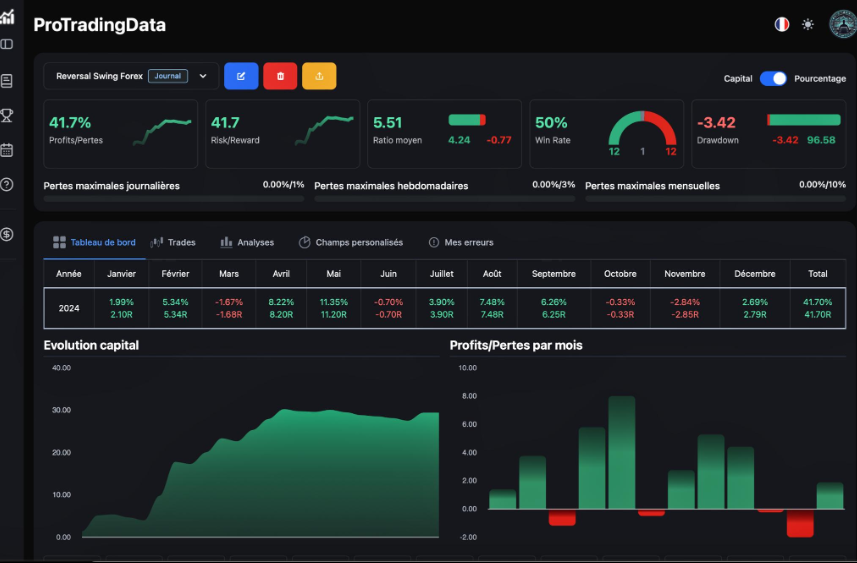
Fig 1.2 Forex trading performance comparison chart showing improvement after using trading journal system
What Should You Include in a Forex Trading Journal?
A professional trading journal should not be limited to profit and loss entries. It should capture the full trading experience.
You should record the trade setup, including why you entered the trade and what market conditions supported your decision. It is equally important to note your emotional state before and after the trade, as emotions often influence trading performance more than strategy itself.
You should also track risk exposure for each trade, including stop loss placement and position sizing. Over time, this helps you identify whether your risk management approach is consistent or needs improvement.
This level of detailed tracking is what separates profitable traders from inconsistent ones.
How a Trading Journal Improves Trading Performance
A well-maintained forex trading journal directly improves trading performance by turning mistakes into learning opportunities. Instead of guessing what went wrong, traders can review exact trade conditions and identify the real reason behind losses.
This structured reflection process helps refine strategies over time. For example, a trader may realize that breakout strategies perform better in certain sessions, while range markets require different approaches.
By analyzing past trades, traders begin to focus on high-probability setups and avoid emotional decisions. This leads to improved consistency, better risk management, and stronger confidence in trading execution.
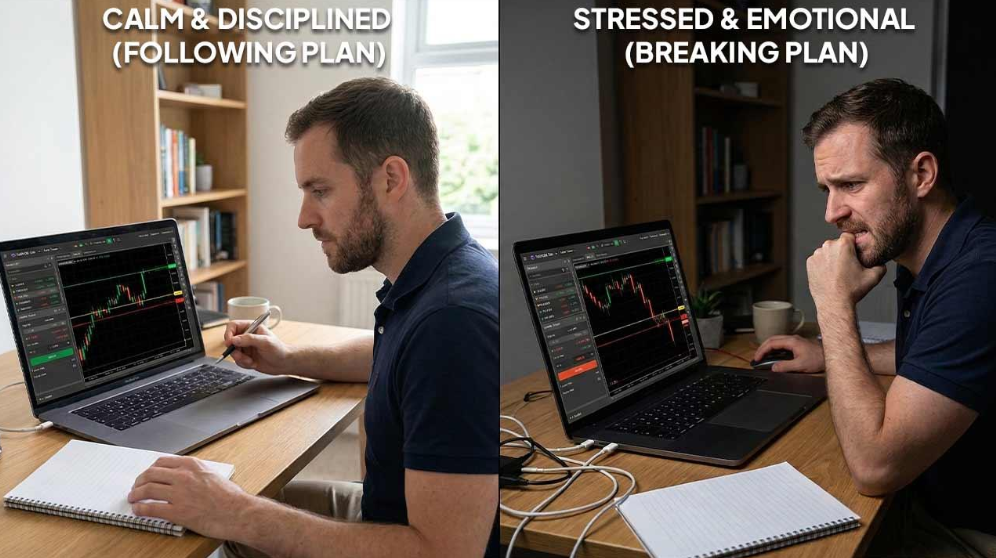
Fig 1.3 Forex trading performance comparison chart showing improvement after using trading journal system
Common Mistakes Traders Fix Using a Journal
Many traders struggle not because their strategy is wrong, but because their behavior is inconsistent. A trading journal helps expose these weaknesses clearly.
For example, traders often enter trades without proper confirmation or exit trades too early due to fear. These mistakes are difficult to notice without proper tracking.
A journal also highlights revenge trading patterns, where traders try to recover losses quickly without proper analysis. Over time, identifying these habits helps eliminate emotional trading completely and builds a more disciplined approach.
Manual Journal vs Forex Trading Journal App
A manual journal gives traders full control, but it can be time-consuming and prone to human error. On the other hand, a forex trading journal app automates most of the process and provides deeper analytics.
While spreadsheets are useful for beginners, advanced traders often prefer apps because they offer performance dashboards, trade tagging, and psychological tracking features.
Both methods are effective, but automation significantly improves efficiency and accuracy.
How to Build a Strong Trading Journal System
A strong trading journal system is built on consistency. Traders should record every trade immediately after execution and avoid skipping even small details.
Weekly review sessions are extremely important because they help identify patterns in performance. During these reviews, traders should focus on both winning and losing trades equally.
The goal is not just to track trades, but to continuously refine trading strategy based on real data. Over time, this process builds a highly disciplined and data-driven trading approach.
FAQs
What is a forex trading journal and why is it important?
What is the best forex trading journal app for beginners?
How does a trading journal improve forex trading results?
Can I use a free trading journal template?
How often should I review my forex trading journal?

Fig 1.4 Professional forex trader reviewing journal analytics and trading performance data
Conclusion
A forex trading journal is not just a trading accessory it is a core part of becoming a successful trader. It transforms raw trading activity into structured performance data that can be analyzed and improved over time.
When combined with a reliable forex trading journal app, traders gain access to powerful insights such as win-rate analysis, risk evaluation, and emotional behavior tracking. These insights are essential for building consistency in the forex market.
Ultimately, successful trading is not about finding perfect signals or strategies. It is about continuous improvement, discipline, and self-analysis. A well-maintained journal helps traders stay accountable, refine their strategies, and develop long-term profitability.
If used properly, your trading journal becomes your personal trading mentor guiding every decision, every trade, and every improvement you make in your trading journey.
decisions, manage risk better, and build a consistent trading approach over time.