
Forex Divergence Strategy: The Complete Guide to Smarter and More Profitable Forex Trading
The forex market moves quickly, and traders constantly search for reliable methods that can help them identify high-probability trading opportunities. One of the most trusted and widely used techniques among professional traders is the forex divergence strategy. This trading method helps traders detect weakening momentum before the market changes direction, allowing them to enter trades with greater confidence and accuracy.
Unlike basic technical analysis strategies that rely only on price movement, divergence forex trading focuses on the relationship between price action and momentum indicators. When price moves in one direction while the indicator moves differently, it often signals that the current trend is losing strength. This creates opportunities for traders to prepare for reversals or trend continuation setups before they become obvious to the broader market.
Many successful forex traders combine divergence analysis with support and resistance zones, candlestick patterns, and risk management rules to build a more complete trading system. Whether you are a beginner learning technical analysis or an experienced trader refining your strategy, understanding divergence can significantly improve your market analysis and decision-making process.
What Is a Forex Divergence Strategy?
A forex divergence strategy is a technical trading method that compares price action with momentum indicators such as RSI, MACD, or Stochastic Oscillator. Divergence occurs when the price of a currency pair moves differently from the indicator. This mismatch often reveals hidden weakness or strength in the market trend.
For example, if the price continues making higher highs while the RSI indicator starts making lower highs, it suggests that buying momentum is fading even though the market is still rising. This situation is known as bearish divergence and often signals a possible reversal to the downside.
Similarly, when the market forms lower lows but the indicator begins creating higher lows, the market may be preparing for a bullish reversal. This is called bullish divergence. Traders use these signals to identify potential buying and selling opportunities before the market changes direction.
The popularity of divergence forex trading comes from its ability to provide early warning signs. Instead of reacting late to market reversals, traders can prepare in advance and manage trades more effectively.
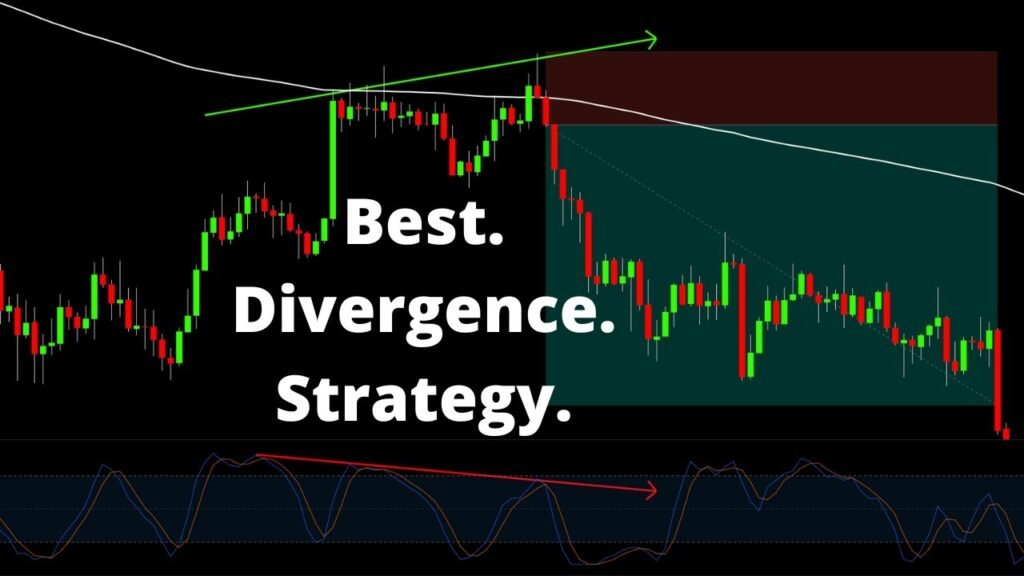
Fig 1.1 Forex divergence strategy
Why Forex Diverence Trading Is Popular Among Professional Traders
Professional traders prefer forex divergence strategy techniques because they help filter false signals and improve market timing. In forex trading, momentum plays a major role in sustaining trends. When momentum weakens, trends often lose strength before reversing.
Divergence helps traders understand what is happening behind the price movement. Sometimes the market appears strong on the surface, but indicators reveal hidden weakness. This deeper insight allows traders to avoid entering trades at the wrong time.
Another reason divergence trading is popular is its flexibility. It can be used for:
- Day trading
- Swing trading
- Scalping
- Trend trading
- Multi-timeframe analysis
The strategy works on major currency pairs such as EUR/USD, GBP/USD, USD/JPY, and AUD/USD. It can also be applied across different timeframes, making it suitable for both short-term and long-term traders.
When combined with proper confirmation and risk management, divergence forex trading becomes a powerful tool for improving trade accuracy and consistency.
Types of Divergence in Forex Trading
Understanding different types of divergence is essential for building a successful trading strategy. Each divergence type provides unique information about potential market movement.
Regular Bullish Divergence
Regular bullish divergence occurs when price forms lower lows while the indicator creates higher lows. This indicates that selling pressure is weakening even though the market is still moving downward.
In many cases, traders see this pattern near strong support levels or after extended bearish trends. It often suggests that buyers may soon regain control of the market.
Professional traders usually wait for confirmation before entering a buy trade. Confirmation can include bullish candlestick patterns, trendline breaks, or support zone reactions.
Regular Bearish Divergence
Regular bearish divergence happens when price forms higher highs while the indicator creates lower highs. This shows that bullish momentum is weakening despite rising prices.
This pattern commonly appears near resistance zones or after strong bullish trends. It warns traders that buyers may be losing strength and a downward reversal could occur.
Many traders use bearish divergence to prepare for sell opportunities, especially when the market becomes overbought.
Hidden Bullish Divergence
Hidden bullish divergence is slightly different because it signals trend continuation rather than reversal. It forms when price creates higher lows while the indicator forms lower lows.
This pattern indicates that the overall uptrend remains strong despite temporary pullbacks. Traders often use hidden bullish divergence to re-enter trending markets.
Hidden Bearish Divergence
Hidden bearish divergence occurs when price creates lower highs while the indicator forms higher highs. This pattern suggests that sellers remain in control and the downtrend may continue.
Professional traders use hidden divergence to identify continuation opportunities within strong trends.
Best Indicators for Divergence Forex Trading
Choosing the right indicator is extremely important for successful divergence forex trading. Although many indicators can detect divergence, some perform better in forex markets because of their ability to measure momentum accurately.
RSI Divergence Strategy
The Relative Strength Index (RSI) is one of the most widely used indicators for divergence trading. RSI measures market momentum and helps traders identify overbought and oversold conditions.
The RSI indicator is popular because it is simple, accurate, and beginner-friendly. Traders use RSI divergence to identify potential reversals before price direction changes.
One major advantage of RSI is its ability to produce cleaner signals on higher timeframes such as the 4-hour and daily charts.
MACD Divergence Forex Strategy
The MACD indicator is another powerful tool for detecting divergence. Unlike RSI, MACD focuses more on trend momentum and moving average relationships.
Many advanced traders prefer MACD because it provides strong confirmation during trending market conditions. MACD divergence works especially well for swing trading and trend reversal setups.
When MACD histogram bars begin weakening while price continues moving upward or downward, traders often prepare for possible reversals.
Stochastic Divergence Strategy
The Stochastic Oscillator is useful for identifying short-term divergence signals in ranging markets. Scalpers and day traders frequently use this indicator because it reacts quickly to price changes.
However, because Stochastic is highly sensitive, traders should use additional confirmation methods to avoid false signals.
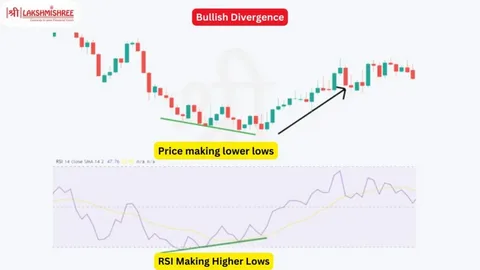
Fig 1.2 Step-by-step forex divergence trading strategy
How to Trade a Forex Divergence Strategy Successfully
Trading divergence successfully requires patience, discipline, and confirmation. Many beginner traders lose money because they enter trades too early after spotting divergence.
The first step is identifying the overall market trend. Understanding whether the market is bullish or bearish helps traders avoid low-quality setups.
After identifying the trend, traders compare price action with indicators such as RSI or MACD. They look for mismatched highs or lows that signal weakening momentum.
Once divergence appears, confirmation becomes essential. Professional traders rarely enter trades immediately. Instead, they wait for:
- Candlestick confirmation
- Support or resistance reactions
- Trendline breakouts
- Moving average confirmation
Risk management is equally important. Even the best forex divergence strategy can fail if risk is not controlled properly.
Traders should always use stop losses and maintain favorable risk-to-reward ratios. Most professionals recommend risking only a small percentage of trading capital per trade.
Common Mistakes Traders Make With Divergence Forex Trading
Many traders misunderstand how divergence works and make avoidable mistakes that reduce profitability.
One of the biggest mistakes is trading every divergence signal without analyzing the overall market structure. Divergence alone is not enough. Traders must consider trend direction, support and resistance levels, and market conditions.
Another common issue is using extremely low timeframes. Small timeframes often produce excessive market noise and false divergence signals. Higher timeframes usually provide more reliable setups.
Impatience is another major problem. Traders often enter trades before confirmation appears. Waiting for confirmation significantly improves trade quality.
Overleveraging also damages trading performance. Even experienced traders encounter losing trades, so proper position sizing and risk management are essential.
Advanced Forex Divergence Trading Techniques
Advanced traders often combine divergence with multiple technical concepts to improve accuracy.
Multi-timeframe analysis is one of the most effective methods. Traders may identify the main trend on the daily chart, look for divergence on the 4-hour chart, and use the 1-hour chart for precise entries.
Another effective technique is combining divergence with support and resistance zones. Divergence signals become much stronger when they appear near key technical levels.
Candlestick patterns such as engulfing candles, pin bars, and doji formations can also provide additional confirmation for trade entries.
Professional traders understand that no strategy works perfectly alone. Combining divergence with broader market analysis creates stronger trading opportunities.
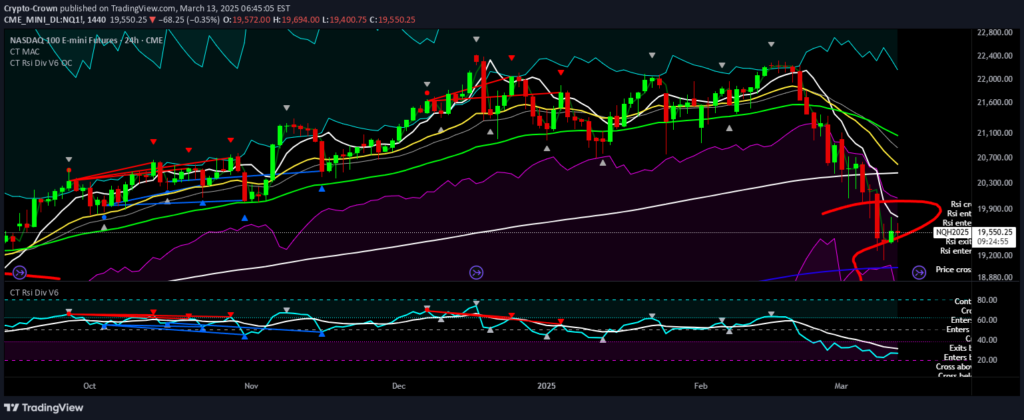
Fig 1.3 Multi timeframe forex divergence trading setup
FAQs About Forex Divergence Strategy
What is the best forex divergence strategy for beginners?
Is divergence forex trading profitable?
Which indicator is best for forex divergence strategy?
Does divergence always predict reversals?
Which timeframe works best for divergence trading?
Can divergence be used for scalping?
Conclusion
The forex divergence strategy remains one of the most effective technical trading methods for identifying potential market reversals and trend continuation opportunities. By comparing price action with momentum indicators such as RSI and MACD, traders gain deeper insight into market strength and weakness before major price movements occur. This makes divergence forex trading a valuable tool for improving entry timing, reducing emotional trading decisions, and increasing overall market awareness.
However, successful divergence trading requires more than simply spotting indicator patterns. Professional traders combine divergence with support and resistance analysis, candlestick confirmation, trend direction, and disciplined risk management. Traders who focus on patience, confirmation, and consistency often achieve better long-term results than those searching for quick profits.
Whether you are a beginner learning technical analysis or an advanced trader refining your system, mastering the forex divergence strategy can significantly strengthen your trading skills. With practice, discipline, and proper market understanding, divergence trading can become a powerful part of a profitable forex trading plan.