
What Is a Forex Scalping Strategy?
A forex scalping strategy is a high-speed trading method that targets small price moves many times a day. Scalpers hold positions for seconds to a few minutes, banking a handful of pips per trade and repeating the process dozens of times during active sessions.
The appeal is obvious. You are rarely exposed to overnight risk, news shocks, or long drawdowns. Instead, you capture quick bursts of momentum and step aside. The trade-off is intensity — scalping demands sharp focus, fast execution, and ironclad discipline.
Success hinges on three pillars: tight spreads, fast order execution, and a repeatable setup. Get those right, and the strategy becomes a steady grind of small, controlled wins that compound over time.
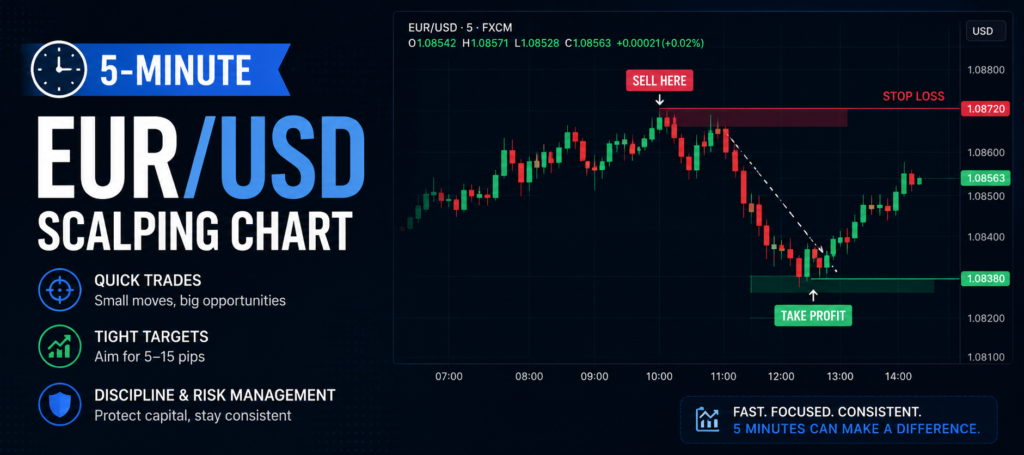
Fig 1.1 Forex scalping strategy candlestick chart
Choosing the Right Market Conditions
Scalping thrives in liquidity. The most active sessions, especially the London and New York overlap, offer the tight spreads and smooth price flow that scalpers need. Trading during quiet hours invites erratic moves and wider costs that quietly eat your edge.
Pair selection matters just as much. Major pairs such as EUR/USD, GBP/USD, and USD/JPY trade with the lowest spreads and deepest liquidity, making them the natural home for scalpers. Exotic pairs may tempt with big swings, but their wide spreads and unpredictable spikes punish high-frequency traders.
Avoid scalping straight into major news releases unless you have a specific plan for it. Volatility around announcements can blow through stops in an instant, turning a tidy strategy into a guessing game.
Best Indicators for Scalping
The best forex scalping indicators share one quality: they react quickly without drowning you in noise. A well-chosen pair of tools confirms momentum and direction without slowing your decisions.
Exponential moving averages, such as the 9 and 21 EMA, define short-term trend and offer dynamic support and resistance. A fast oscillator like the stochastic or RSI then times your entries within that trend. Bollinger Bands add context by showing when price stretches away from its average and may snap back.
The goal is confluence, not clutter. Two or three complementary indicators give you a clean read, while five overlapping tools create paralysis. Keep your chart simple so you can act in the split second a setup appears.
Quick indicator pairings that work:
- 9 EMA and 21 EMA crossover for trend, plus stochastic for entry timing.
- Bollinger Bands for stretch, plus RSI to confirm momentum exhaustion.
- VWAP for intraday value, plus price action at key levels for the trigger.
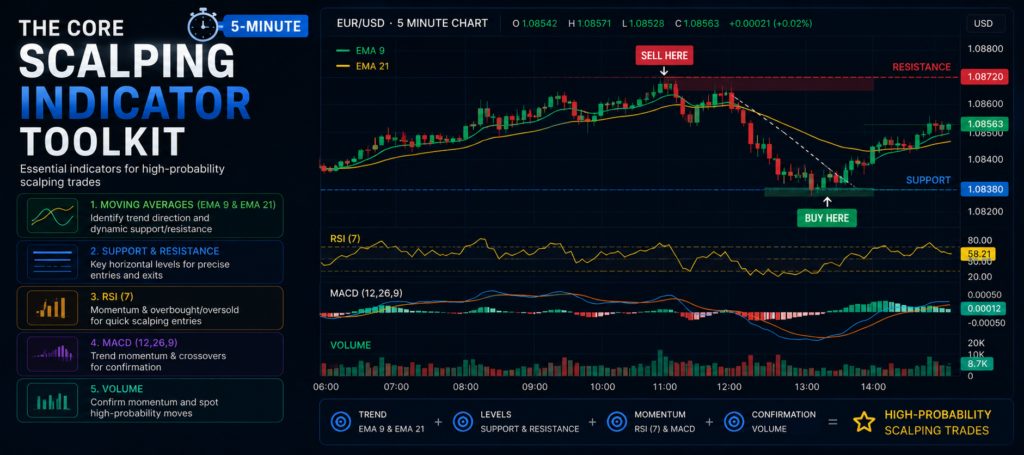
Fig 1.2 Best forex scalping indicators including EMA crossover
A Simple Scalping Setup You Can Follow
Consistency comes from a fixed routine. The following pullback method works well on the 1-minute and 5-minute charts during high-liquidity hours, giving you frequent yet structured opportunities.
Start by reading the short-term trend with your EMAs. When the fast EMA sits above the slow EMA, you only look for buys, and vice versa for sells. Wait for price to pull back to the EMA zone rather than chasing an extended candle far from value.
Your entry trigger fires when a fast oscillator turns back in the trend direction and a small confirmation candle prints. Set a tight stop just beyond the recent swing, and take profit at a fixed pip target or the next minor level. Banking small, repeatable gains beats holding for a home run that rarely arrives.
Risk Management for Scalpers
Because scalpers trade so often, small mistakes multiply fast. Risking a fixed, tiny percentage of your account per trade — many professionals use 0.5% or less — keeps any single loss meaningless. This is the heart of survival in high-frequency trading.
Spreads and commissions are your hidden opponents. When you target only a few pips, a wide spread can swallow most of your profit before the trade even moves. Choosing a low-spread broker with fast execution is therefore not optional, it is foundational.
The table below shows how trading costs and discipline shape realistic scalping outcomes across broker tiers.
| Broker Type | Typical EUR/USD Spread | Execution Speed | Scalping Suitability |
|---|---|---|---|
| ECN / Raw | 0.0 – 0.3 pips + commission | Very fast | Excellent |
| Standard | 0.8 – 1.5 pips | Fast | Moderate |
| Market maker | 1.5 – 3.0 pips | Variable | Poor for scalping |
Match your strategy to your costs. A brilliant setup on an expensive account often loses money, while an average setup on a raw-spread account can stay profitable.
Smart Scalping Trading Tips
A few habits separate steady scalpers from burned-out ones. Trade only your best setups instead of forcing action during dead markets, and walk away once you hit a daily profit or loss limit. These scalping trading tips protect both your capital and your focus.
Speed without structure leads to chaos, so pre-define your entries, stops, and targets before the session begins. Keep a written log of every trade to spot patterns in your wins and losses. Over time, that record becomes your most valuable coach.
Finally, protect your mental state. Scalping rewards calm, rapid decisions, and emotional trading after a loss is the fastest route to a blown account.
Common Scalping Mistakes
Many new scalpers sabotage themselves with avoidable errors. Overtrading tops the list — chasing every flicker on a 1-minute chart racks up costs and exhausts your concentration long before the profitable setups appear.
Trading on high-spread accounts is another silent killer, quietly draining the thin margins scalping depends on. Widening or removing a stop loss to “give the trade room” turns a small, planned loss into an account-threatening one. Respect your stop every single time.
Frequently Asked Questions
1. Is a forex scalping strategy profitable? A forex scalping strategy can be profitable, but only with tight spreads, fast execution, and strict discipline. Because each trade targets just a few pips, trading costs have an outsized impact on results. Scalpers who use a raw-spread broker and risk a small fixed percentage per trade can grind out steady gains. Profitability comes from volume of high-quality setups and ruthless risk control, not from any single big win.
2. What are the best forex scalping indicators? The best forex scalping indicators are fast-reacting tools that confirm trend and momentum without clutter. Popular choices include the 9 and 21 EMA for direction, the stochastic or RSI for entry timing, and Bollinger Bands for spotting overstretched price. The key is confluence between two or three tools rather than stacking many. A clean chart lets you act quickly when a setup appears.
3. Which timeframe is best for scalping? Most scalpers work on the 1-minute and 5-minute charts, where price moves quickly and offers frequent opportunities. The 1-minute chart suits very fast traders comfortable with rapid decisions, while the 5-minute chart filters some noise. Many traders also glance at a higher timeframe, such as the 15-minute, to confirm the broader trend. Choose the timeframe that matches your reaction speed and concentration.
4. How much money do I need to start scalping? You can technically start with a small account, but realistic scalping benefits from enough capital to absorb costs and size positions sensibly. Because spreads and commissions matter so much, a low-cost broker is more important than a large balance. Many traders begin on a demo account to refine their setup before risking real money. Start small, prove consistency, then scale up gradually.
5. What are the best scalping trading tips for beginners? The most valuable scalping trading tips are to trade only during high-liquidity sessions, risk a tiny fixed percentage per trade, and respect your stop loss every time. Beginners should master one pair and one setup before expanding. Keeping a trade journal accelerates learning by exposing recurring mistakes. Above all, set a daily loss limit and walk away once you hit it.
6. Is scalping better than day trading? Neither is universally better; they suit different temperaments. Scalping demands intense focus and rapid execution for short bursts, while day trading involves fewer, longer trades within the same day. Scalping offers more opportunities but higher transaction costs, whereas day trading allows more analysis time. Choose the style that fits your schedule, personality, and tolerance for fast decision-making.
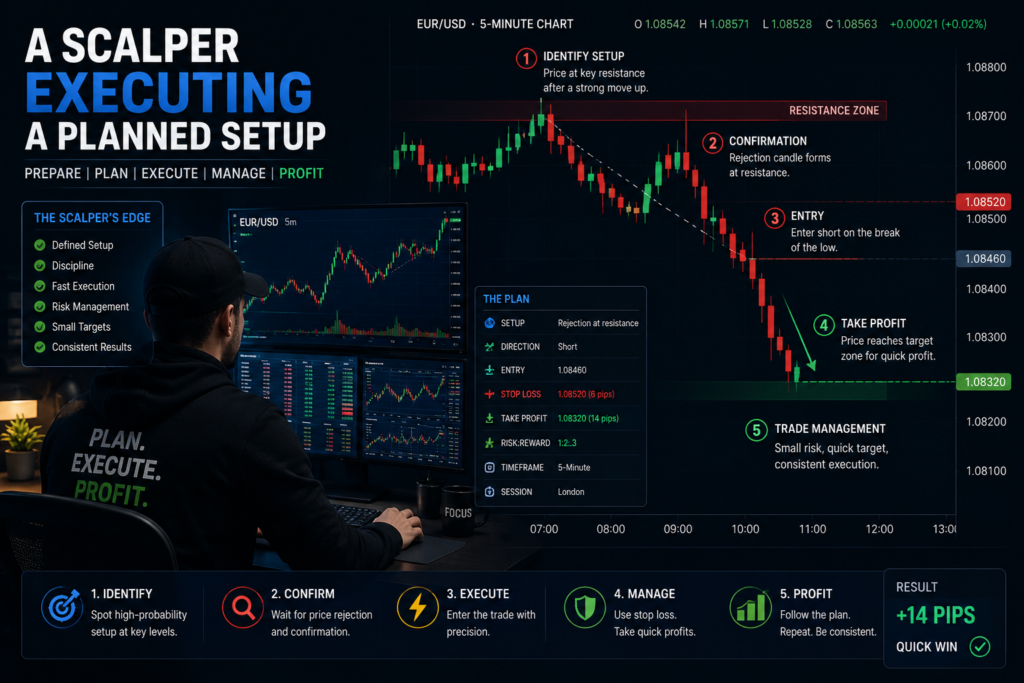
Fig 1.3 Disciplined forex scalper following a fixed routine
Final Thoughts
A disciplined forex scalping strategy rewards traders who value precision, speed, and consistency over big, infrequent wins. The method works because it isolates short bursts of momentum during the most liquid trading hours, captures small but repeatable profits, and limits exposure to overnight risk and surprise news. Yet its strengths only emerge when the foundations are right — a low-spread broker, fast execution, the best forex scalping indicators arranged on a clean chart, and risk management tight enough that no single loss can hurt you. The traders who thrive are those who treat scalping as a structured routine rather than a thrill, following pre-defined entries, stops, and targets while logging every result for review. Apply these scalping trading tips patiently, sharpen your edge on a demo account, and scale up only after your numbers prove repeatable. Do that, and scalping can become one of the most engaging and rewarding ways to trade the forex market.
Want sharper setups and live market analysis to power your scalping? Visit forexmarkettrendss.com for daily trading insights and start trading smarter today.