
Introduction
Forex trading in South Africa has grown from a niche side hustle into one of the most active retail trading scenes on the African continent, and 2026 is proving to be a defining year for local participants. Thousands of South Africans now log into trading platforms every morning, drawn by flexible hours, low entry costs, and the appeal of the world’s largest financial market. Yet beneath the excitement sits a serious question: can ordinary traders actually build wealth here, or is the currency market just another way to lose savings? This guide answers that honestly. You will learn how the market is regulated by the FSCA, how to pick a safe broker, what profit really looks like after costs, and the disciplined habits that separate survivors from statistics. Whether you trade from Johannesburg, Cape Town, or Durban, the goal is to give you a grounded, practical roadmap rather than empty hype.
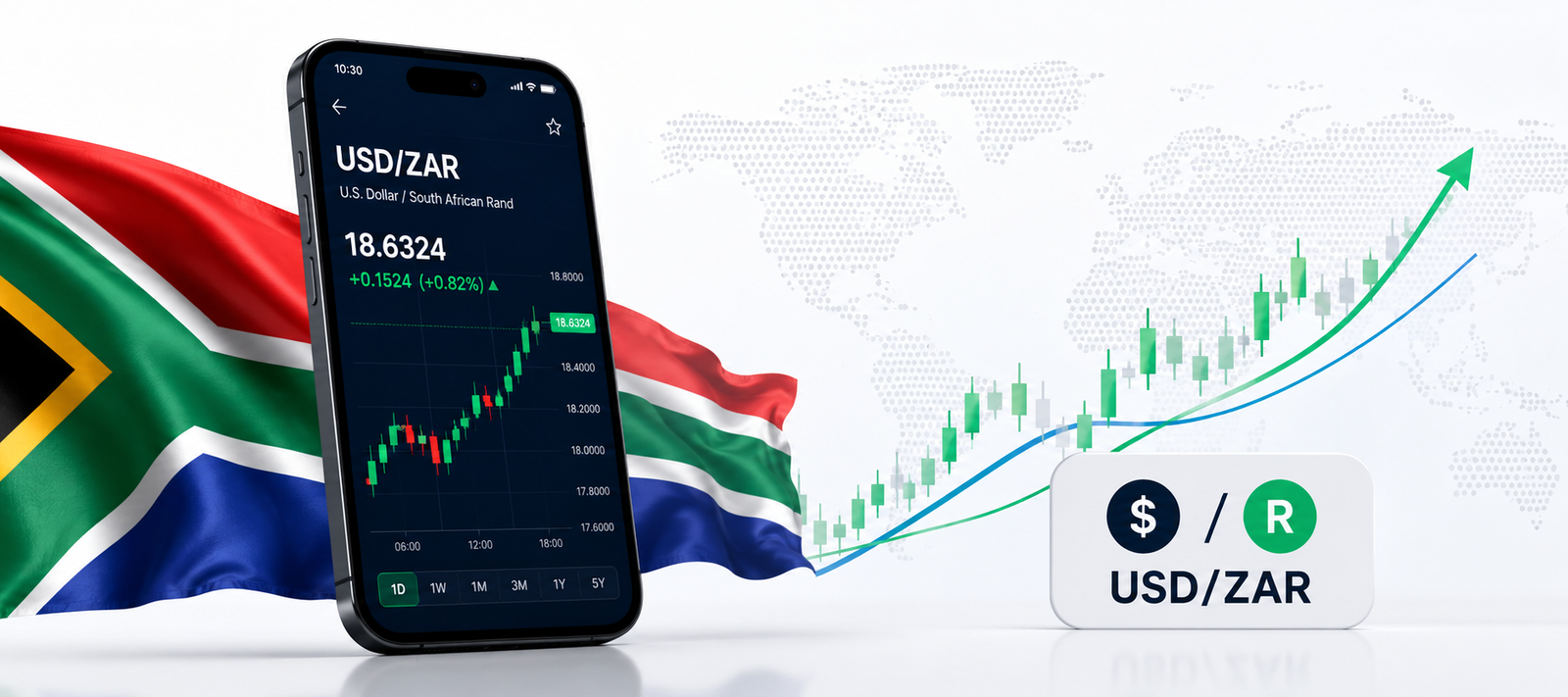
Fig 1.1 Forex trading in South Africa
Is Forex Trading Legal in South Africa?
Yes. Trading currencies is completely legal in South Africa, and the activity is supervised by the Financial Sector Conduct Authority, or FSCA. The regulator licenses brokers as financial services providers, sets conduct standards, and maintains a public register where any trader can verify a firm’s status. This legal clarity is one reason the local market has matured so quickly compared with neighbouring countries.
The practical takeaway is simple. You are free to trade, but you should only do so through a properly licensed provider. An FSCA licence means the broker answers to a credible authority, must treat clients fairly, and operates under defined complaint and dispute procedures. Choosing an unregulated offshore firm with no oversight is where most horror stories begin, because there is no realistic recourse if funds disappear.
Choosing the Best Forex Broker South Africa Has to Offer
Picking a broker is the single most important decision a new trader makes, and it deserves more thought than the marketing bonuses suggest. The best forex broker South Africa traders rely on combines strong regulation, transparent pricing, fast withdrawals, and genuine local support. A flashy platform means little if you cannot get your money out smoothly.
Start with regulation. Confirm the firm appears on the FSCA register, and treat additional licences from bodies like the UK’s FCA or Australia’s ASIC as a bonus rather than a substitute. Next, examine the real cost of trading: spreads, commissions, and overnight swap fees quietly determine your long-term results far more than any welcome offer. Finally, test the support and deposit options. A broker that accepts local payment methods, processes ZAR conveniently, and responds quickly during Johannesburg trading hours removes a great deal of friction.
The comparison table below outlines the broker features that matter most, so you can weigh providers against a consistent checklist rather than gut feeling.
| Broker Feature | Why It Matters | What to Look For |
|---|---|---|
| FSCA regulation | Legal protection and accountability | Active licence on the FSCA register |
| Spreads & commissions | Direct impact on net profit | Tight spreads on USD/ZAR and majors |
| Minimum deposit | Accessibility for beginners | R200–R2,000 starter range |
| Withdrawal speed | Access to your own funds | 24–48 hour local payouts |
| Platform | Reliability and tools | MT4, MT5, or stable proprietary app |
| Local support | Fast issue resolution | ZAR accounts, SA-hours service |
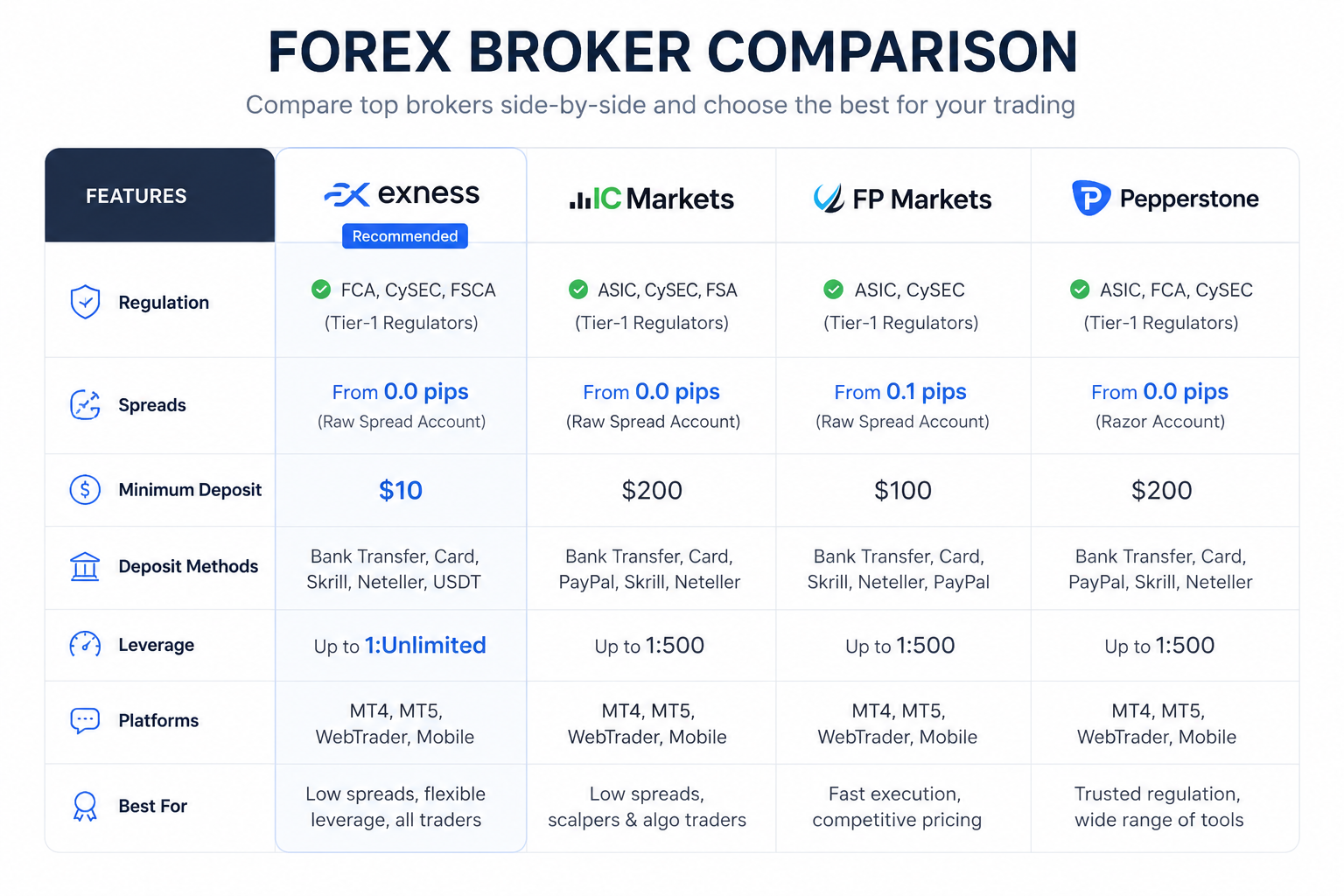
Fig 1.2 The best forex broker South Africa options by regulation, spreads, and deposits.
Is Forex Profitable in South Africa?
This is the question every newcomer wants answered, and honesty serves you better than hype. Is forex profitable in South Africa? It genuinely can be, but profit is the reward for skill, patience, and risk control — not a guaranteed outcome of simply opening an account. The market does not care where you live; it pays disciplined traders and punishes reckless ones with equal indifference.
Industry data across global brokers consistently shows that a majority of retail accounts lose money over time, often because traders over-leverage, chase losses, or trade without a tested plan. South Africans face the same maths. The traders who succeed treat it like a business: they risk a small fraction of capital per trade, keep records, and grow accounts slowly rather than swinging for instant riches.
A realistic expectation matters enormously. A trader compounding a modest, consistent monthly return will outperform the gambler who doubles an account one month and blows it the next. Profitability in this market is less about predicting every move and more about surviving long enough for a sound edge to play out.
How Much Money Do You Need to Start?
One of the friendliest features of this market is its low barrier to entry. Many FSCA-aware brokers allow accounts to open with a few hundred rand, and demo accounts let you practise with zero risk for as long as you need. That accessibility is a double-edged sword, however, because a tiny live account combined with high leverage tempts beginners into oversized positions.
A sensible approach is to learn on a demo until your strategy is consistently profitable on paper, then fund a small live account you can afford to lose entirely. Treat the first months as tuition. The aim is not to get rich on a small account but to prove you can follow rules when real emotion enters the picture.
Fig 1.3 South African forex trader analysing
What Top Traders and Research Say
Seasoned professionals are united on one point: managing risk outranks finding the perfect entry. The legendary speculator Jesse Livermore captured it bluntly when he warned, “The desire for constant action irrespective of underlying conditions is responsible for many losses.” His century-old observation still describes the overtrading that drains South African accounts today.
The academic evidence reinforces this. In their influential study “Trading Is Hazardous to Your Wealth,” researchers Brad Barber and Terrance Odean found that the most active retail traders earned the worst net returns, largely because frequent trading and overconfidence eroded their gains through costs and poor timing. For deeper grounding, Mark Douglas’s classic Trading in the Zone remains essential reading; it explains why a trader’s mindset and probabilistic thinking, not secret indicators, ultimately determine results. Together these sources point the same way: discipline and patience, practised locally, beat constant action.
Building a Sustainable Trading Routine
Long-term success in this field is built on routine rather than adrenaline. The most durable South African traders set fixed market hours that suit their lifestyle, often focusing on the London and New York session overlap when liquidity and volatility peak. They review charts, identify a small watchlist, and wait for high-probability setups instead of forcing trades out of boredom.
Record-keeping is the quiet superpower here. A simple journal logging entries, exits, position size, and the emotion behind each trade reveals patterns no broker statement can. Over months, that feedback loop turns scattered guessing into a refined personal edge, and it transforms trading from gambling into a measurable, improvable skill.
Common Mistakes Local Traders Should Avoid
Most blown accounts share the same handful of errors, and naming them helps you sidestep them. Excessive leverage tops the list, because it magnifies small mistakes into account-ending losses. Revenge trading after a loss, abandoning a plan mid-trade, and risking too much on a single “sure thing” follow closely behind.
Equally damaging is the search for shortcuts. Paid signal groups, guaranteed-return schemes, and unregulated brokers promising impossible bonuses prey on impatience. The mature path is slower but real: learn the fundamentals, respect risk, verify every broker against the FSCA register, and let consistency compound. Avoiding these traps will keep you in the game long enough to actually improve.
Frequently Asked Questions
Is forex trading in South Africa legal and safe?
Yes, forex trading in South Africa is legal and overseen by the FSCA. Safety depends largely on your choices. Trading through an FSCA-regulated broker gives you accountability and a complaints process. The danger comes from unregulated offshore firms and scam signal groups. Always verify a provider on the FSCA register, start with a demo account, and never deposit money you cannot afford to lose while learning.
Which is the best forex broker South Africa traders should choose?
There is no single answer, because the best forex broker South Africa option depends on your needs. Prioritise active FSCA regulation, tight spreads on USD/ZAR and major pairs, fast local withdrawals, and responsive support during South African hours. Compare a shortlist on these factors, test each on a demo account, and favour transparency over flashy deposit bonuses, which rarely compensate for poor pricing or slow payouts.
Is forex profitable in South Africa for beginners?
Whether forex is profitable in South Africa depends on skill and discipline, not luck. Beginners can become profitable, but most lose early because they over-leverage and trade without a tested plan. Treat your first months as practice, risk only a small percentage per trade, and grow slowly. Consistent small gains compounded over time beat the high-risk gambling that empties most new accounts.
How much money do I need to start forex trading in South Africa?
You can technically start with a few hundred rand, since many brokers offer very low minimum deposits and free demo accounts. However, capital should match your strategy and risk tolerance. A small live account is best for learning real emotional control, while a larger, well-managed account gives realistic income potential. Never fund an account with borrowed money or essential living expenses.
Do I need to pay tax on forex trading profits in South Africa?
Yes. Profits from forex trading are generally taxable in South Africa, and SARS expects you to declare trading income. Depending on your activity, gains may be treated as normal income or capital. Because tax treatment varies by individual circumstances, keep detailed records of all trades and consult a registered tax professional. This article is educational and not financial or tax advice.
Final Thoughts
Forex trading in South Africa offers a genuine, legally protected opportunity to participate in the world’s deepest financial market, but it rewards preparation rather than wishful thinking. The traders who thrive here verify their broker against the FSCA, manage risk like professionals, keep honest records, and grow their accounts patiently instead of chasing overnight wealth. Profit is absolutely possible, yet it arrives as a by-product of discipline, education, and emotional control rather than a lucky streak. Treat the market with respect, start small, and let consistency do the heavy lifting. If you commit to learning the craft and protecting your capital, you give yourself a real chance to turn currency trading into a sustainable, long-term skill. This article is educational and not financial advice.