
Introduction
Learning how to avoid overtrading is one of the most valuable skills a trader can develop, because overtrading quietly destroys more accounts than bad strategies ever do. The market constantly tempts you to do something — to chase every move, recover a loss immediately, or fill the silence of a slow session with unnecessary trades. Yet the cruel irony of trading is that activity and profit are often inversely related. The traders who fire off dozens of impulsive positions usually finish worse than the patient few who wait for genuine opportunities. This guide confronts that paradox directly. You will learn what overtrading really is, the warning signs that you have crossed the line, the psychological triggers that drive it, and the practical systems that help you trade less while earning more. Mastering this single discipline can do more for your bottom line than any indicator, because protecting your capital from your own impulses is the foundation of lasting success.
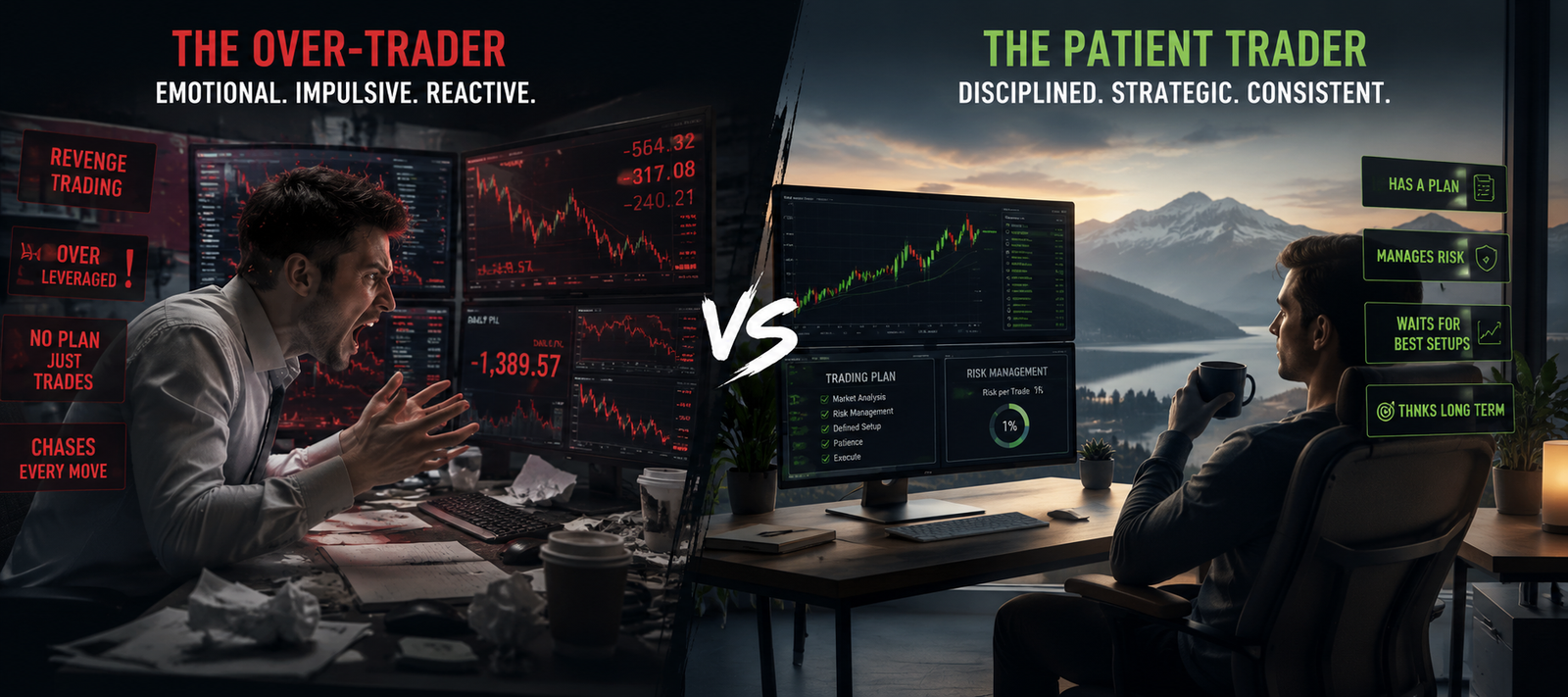
Fig 1.1 How to avoid overtrading
What Is Overtrading, Really?
Overtrading is the act of placing more trades than your strategy or market conditions actually justify, usually driven by emotion rather than logic. It is not defined by a specific number of trades but by intent: a trade taken because you followed a tested plan is legitimate, while a trade taken out of boredom, frustration, or impatience is overtrading, even if it happens to win.
This distinction matters because overtrading masquerades as productivity. It feels like you are working hard, hunting opportunities, and staying engaged. In reality, every unnecessary trade adds cost, increases exposure, and chips away at the mental clarity you need for the trades that genuinely matter. Understanding that more activity does not equal more profit is the first mental shift toward overcoming the habit.
The Warning Signs of Overtrading in Forex
Recognising the signs of overtrading in forex early gives you a chance to stop before serious damage is done. The symptoms are often behavioural and emotional rather than purely financial, which is why many traders miss them until an account is badly bruised. Honest self-awareness is your best defence.
While the patterns vary, a few clear red flags appear repeatedly across struggling traders. The short list below names the most telling ones to watch for.
- You take trades that are not in your plan simply because you feel restless or bored.
- You immediately re-enter the market after a loss to “win it back.”
- Your number of daily trades keeps rising while your results keep falling.
If several of these describe your behaviour, you are almost certainly overtrading. The key is to treat these signs as a stop signal rather than ignoring them, because awareness is what lets you interrupt the cycle before it compounds into a serious drawdown.
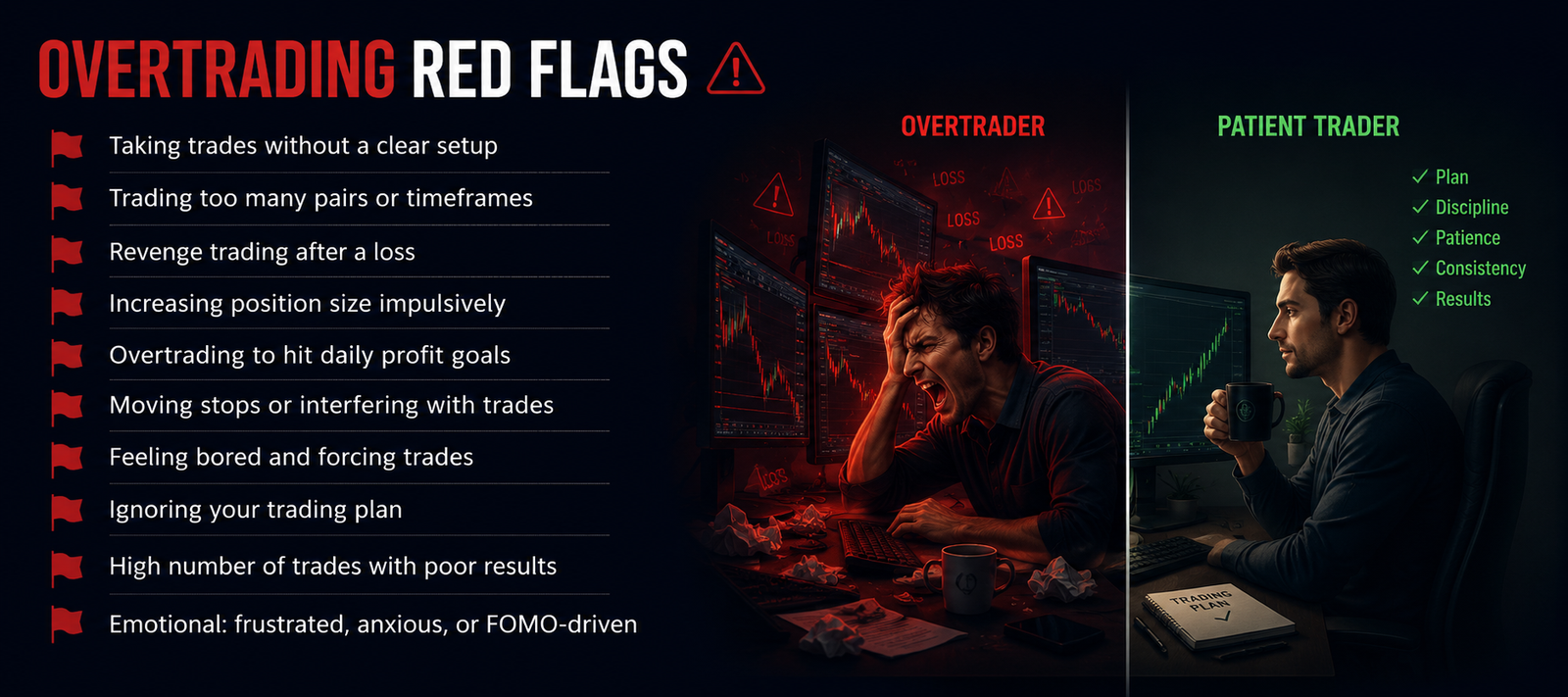
Fig 1.2 Signs of overtrading in forex
Why Overtrading Happens: The Psychology
At its root, overtrading is an emotional problem dressed up as a technical one. The two most powerful drivers are the fear of missing out and the urge to recover losses immediately. When price moves sharply without you, FOMO whispers that you are leaving money on the table, pushing you into late, poorly planned entries. After a loss, frustration demands instant redemption, which leads to reckless revenge trades.
Boredom is a quieter but equally dangerous culprit. During slow sessions, the discomfort of inactivity tempts traders to manufacture action where none is warranted. Each of these triggers shares a common thread: they prioritise emotional relief over rational decision-making. Recognising that your impulse to trade is often about managing feelings rather than seizing opportunity is the crucial insight that makes the habit controllable.
How to Avoid Overtrading: Practical Systems
The most reliable answer to how to avoid overtrading is to replace willpower with structure, because rules hold firm when emotions do not. Start with a detailed trading plan that specifies exactly what a valid setup looks like. If a potential trade does not match your criteria, it is simply not a trade, no matter how tempting it appears in the moment.
Layering in hard limits adds another safety net. Setting a maximum number of trades per day, defining a daily loss limit that ends your session if hit, and stepping away from the screen after each completed trade all interrupt the impulsive cycle. The table below pairs common overtrading triggers with practical countermeasures you can implement immediately.
| Trigger | Countermeasure |
|---|---|
| Boredom in slow markets | Trade only pre-defined setups; walk away otherwise |
| FOMO on a sharp move | Wait for a clean retest; skip late entries |
| Loss-recovery urge | Enforce a daily loss limit and stop trading |
| Restlessness | Set a max trades-per-day cap |
| Screen fatigue | Take scheduled breaks away from charts |
| Emotional decisions | Use a pre-trade checklist every time |
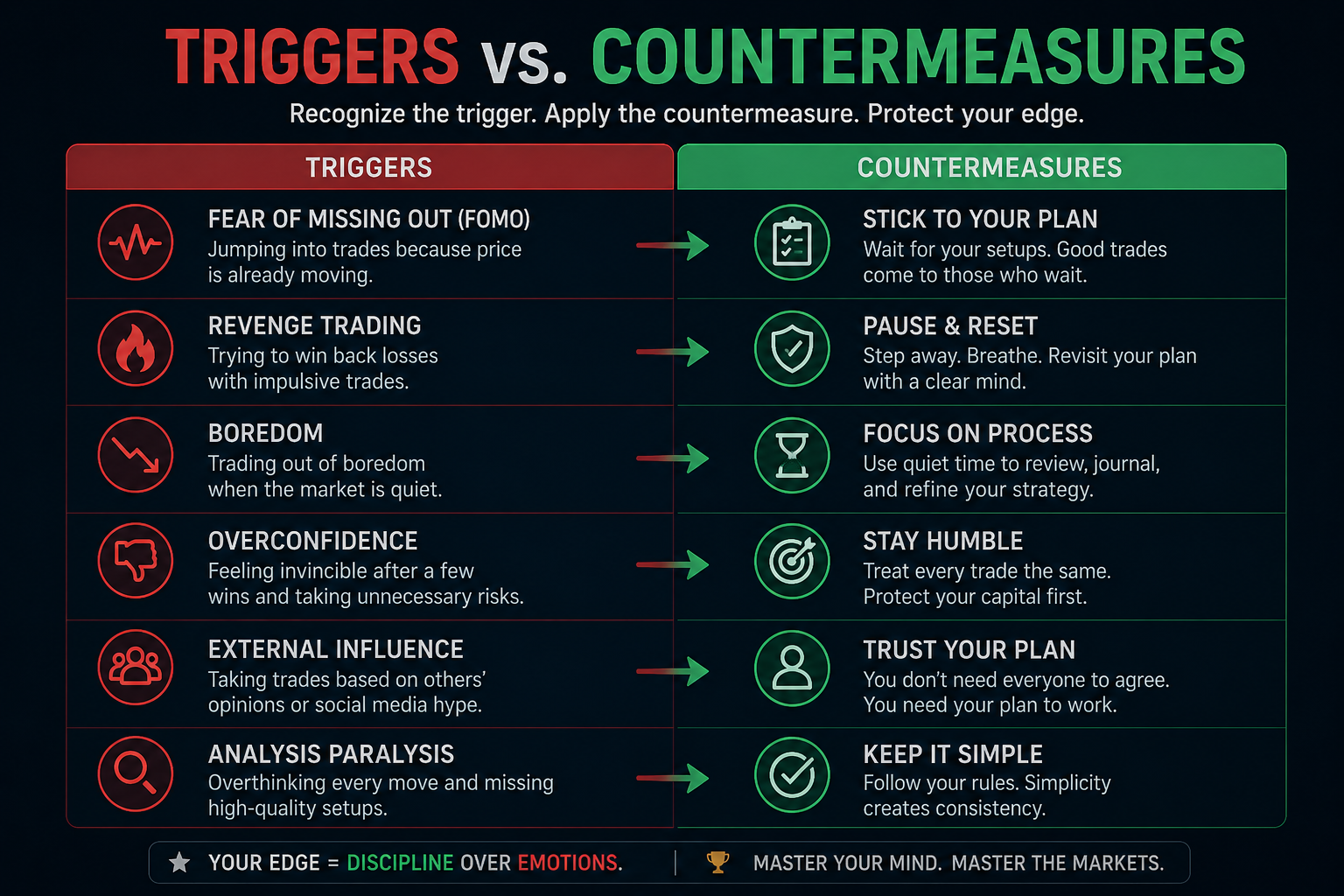
Fig 1.3 How to avoid overtrading by countering
Trading Less to Earn More
The phrase trading less to earn more sounds paradoxical, yet it captures a deep truth about the market. Fewer, higher-quality trades reduce costs, lower your exposure to random losses, and let you concentrate your full attention on genuine opportunities. A trader who takes three excellent setups a week will often outperform one who takes thirty mediocre ones.
This selective approach, sometimes called sniper trading, reframes patience as a competitive advantage rather than a weakness. By waiting for high-probability conditions, you tilt the odds in your favour and preserve both capital and mental energy for the moments that count. The professionals who endure for decades almost universally trade less than beginners imagine — they understand that in this arena, restraint is a form of skill, and inactivity is sometimes the most profitable position of all.
What Top Traders and Research Say
Elite traders treat patience as a core discipline, not a personality trait. Jesse Livermore, one of history’s most famous speculators, observed, “It was never my thinking that made the big money for me. It always was my sitting.” His point was blunt: the discipline to wait, rather than the urge to act, generated his largest profits.
The academic research delivers the same verdict with hard data. In their landmark study “Trading Is Hazardous to Your Wealth,” Brad Barber and Terrance Odean analysed thousands of retail accounts and found that the most active traders earned the lowest net returns, their gains eroded by overconfidence and excessive trading. For deeper understanding, Mark Douglas’s Trading in the Zone explains how a probabilistic, patient mindset frees traders from the compulsive need to act. Wisdom and evidence converge on one conclusion: doing less, but doing it well, is the path to doing better.
Frequently Asked Questions
What is the best way to learn how to avoid overtrading?
The best way to learn how to avoid overtrading is to replace emotion with structure. Build a detailed trading plan that defines valid setups, set a daily trade limit and a daily loss limit, and step away from the screen after each trade. These rules interrupt impulsive behaviour when willpower fails. Combine them with an honest trading journal so you can spot patterns. Over time, disciplined structure turns patience into an automatic, profitable habit.
What are the clearest signs of overtrading in forex?
The clearest signs of overtrading in forex include taking trades not in your plan out of boredom, immediately re-entering after a loss to win it back, and watching your daily trade count rise while results fall. Increased stress, screen fatigue, and emotional decision-making are also red flags. Treat these symptoms as a stop signal rather than ignoring them. Recognising them early lets you break the cycle before it grows into a serious drawdown.
Why does trading less actually earn more?
Trading less to earn more works because fewer, higher-quality trades reduce costs, lower random exposure, and let you focus fully on genuine opportunities. Each unnecessary trade adds fees and risk while diluting your attention. By waiting for high-probability setups, you tilt the odds in your favour and preserve capital and mental energy. Professional traders endure precisely because they value restraint, understanding that in trading, doing less but doing it well produces better long-term results.
Why do traders overtrade in the first place?
Traders overtrade mainly for emotional reasons rather than strategic ones. The fear of missing out pushes them into late entries, the urge to recover losses drives revenge trades, and boredom during slow sessions tempts them to manufacture action. Each trigger prioritises emotional relief over rational analysis. Understanding that the impulse to trade is often about managing feelings, not seizing opportunity, is the key insight that makes learning how to avoid overtrading genuinely possible.
Can a trading journal help reduce overtrading?
Yes, a trading journal is one of the most effective tools for reducing overtrading. By recording every trade along with the reason and emotion behind it, you expose impulsive patterns that statements alone hide. Reviewing the journal reveals how many losses came from unplanned, emotional trades. This honest feedback loop strengthens discipline and reinforces trading less to earn more, turning vague good intentions into measurable, improving behaviour over time.
Final Thoughts
Learning how to avoid overtrading may be the single most profitable discipline you ever develop, because no strategy can save an account that is constantly undermined by impulsive, emotional trades. The market rewards patience, selectivity, and self-control far more than relentless activity, and the traders who endure for years are almost always those who trade less but choose better. By building a clear plan, enforcing hard limits, journaling honestly, and recognising the emotional triggers that push you toward unnecessary trades, you transform restraint into a genuine edge. Remember that in trading, inactivity is often the most profitable position, and the discipline to sit on your hands during poor conditions protects the capital you will need when real opportunities finally arrive. Master your impulses, and you master the hardest part of the game. This article is educational and not financial advice.
Build unshakeable discipline. Visit forexmarkettrendss.com for trading psychology guides, checklists, and strategy resources.