
Introduction
Learning how to pass prop firm challenge evaluations is the gateway between trading a small personal account and managing serious funded capital. Thousands of traders attempt these challenges every month, yet the majority fail — not because the rules are impossible, but because they treat the evaluation like a sprint instead of a disciplined process. A prop firm challenge rewards consistency, patience, and airtight risk control far more than aggressive home-run trades. The good news is that passing is a repeatable skill once you understand exactly what the firm measures and how to protect your account. Many traders search for a reliable prop firm challenge strategy, while others want specific tips to pass FTMO challenge rules in particular. In this guide you will learn the mindset, the step-by-step plan, the risk math, and the common mistakes that quietly fail otherwise capable traders.
What Passing a Prop Firm Challenge Really Requires
Before chasing a profit target, understand what the firm is actually testing. A prop firm challenge measures whether you can grow an account while respecting strict loss limits — in other words, whether you protect capital like a professional. Hitting the target is only half the equation; staying inside the maximum and daily drawdown is the half that fails most traders.
This reframing is the foundation of any sound approach to how to pass prop firm challenge evaluations. The firm does not reward the trader who makes the most money fastest; it rewards the trader who never breaches a rule. Once you internalise that the drawdown limit is your real opponent, your entire decision-making shifts. You size positions smaller, take only your best setups, and treat the target as a by-product of disciplined trading rather than a finish line to rush toward.
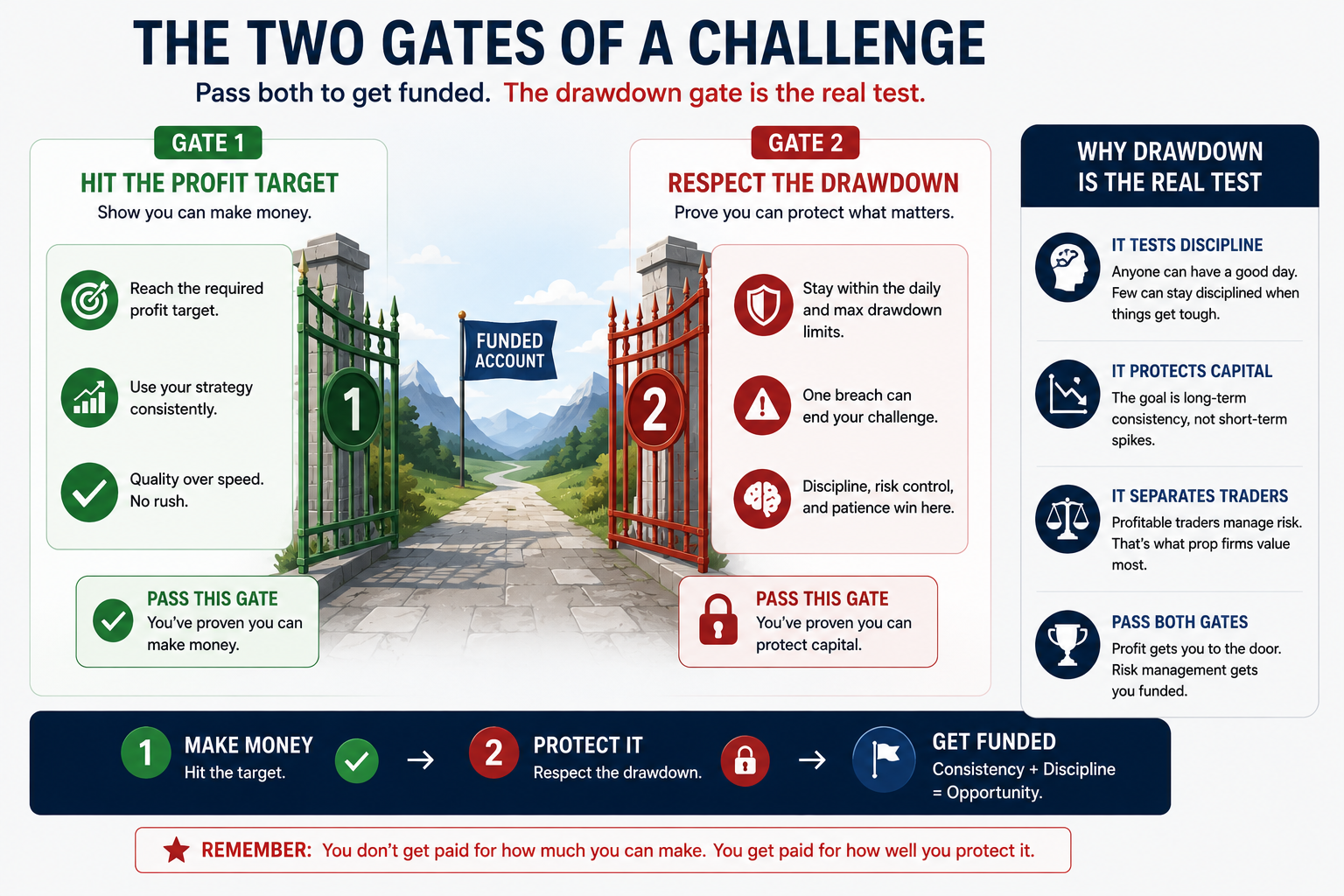
Fig 1.1 How to pass prop firm challenge infographic
Building a Prop Firm Challenge Strategy
A winning prop firm challenge strategy starts with the math, not the charts. Decide your risk per trade first, keeping it small — typically well under one percent of the account — so that a normal losing streak cannot approach the drawdown limit. If you risk tiny amounts, you can survive several losses in a row and still have room to recover, which is the single biggest edge in any evaluation.
From there, the strategy itself should be one you have already proven on a demo or live account. The challenge is the wrong place to test a new idea. Trade your highest-probability setups only, ignore marginal opportunities, and aim to reach the target gradually over the full time window rather than in a few days. A patient, low-risk plan that targets steady gains beats an aggressive one almost every time, because it keeps you comfortably clear of the limits that end accounts.
| Element | Conservative Approach | Why It Works |
|---|---|---|
| Risk per trade | Well under 1% | Survives losing streaks |
| Setups taken | Highest-probability only | Reduces avoidable losses |
| Target pace | Spread over full window | No pressure to overtrade |
| Stop-loss | Always defined | Caps every single trade |
A Step-by-Step Plan to Pass
Breaking the process into clear stages turns an intimidating evaluation into a repeatable routine. Following a defined sequence keeps emotion out of the decisions that matter most.
First, read the rulebook in full and note the exact maximum drawdown, daily drawdown, profit target, minimum trading days, and any news or weekend restrictions. Second, calculate a fixed, small risk per trade and convert it into a position-size formula you will use every time. Third, define your daily personal loss limit well inside the firm’s daily drawdown, and stop trading the instant you hit it. Fourth, trade only your proven setups, journaling each one, and let the account grow steadily toward the target. Finally, once you reach the target, reduce risk further or stop trading for the period to protect the result. These disciplined tips to pass FTMO challenge rules apply equally to virtually every other firm’s evaluation.
Tips to Pass FTMO Challenge Rules Specifically
FTMO and similar firms enforce a maximum loss and a daily loss limit, and understanding how each is calculated is essential. The daily limit usually resets at a fixed server time, so a position held across that reset can shift which day a loss counts against. Knowing your firm’s reset time prevents an accidental breach that feels unfair only because you did not read the fine print.
These firms also reward consistency, and some apply rules to stop a single huge trade from dominating your profit. The practical takeaway among the best tips to pass FTMO challenge evaluations is to spread your gains across several trades and several days rather than swinging for one massive win. Respect the minimum trading-day requirement, avoid high-impact news if the rules restrict it, and never let a good run tempt you into oversizing. Steady, rule-compliant trading is what converts an evaluation into a funded account.
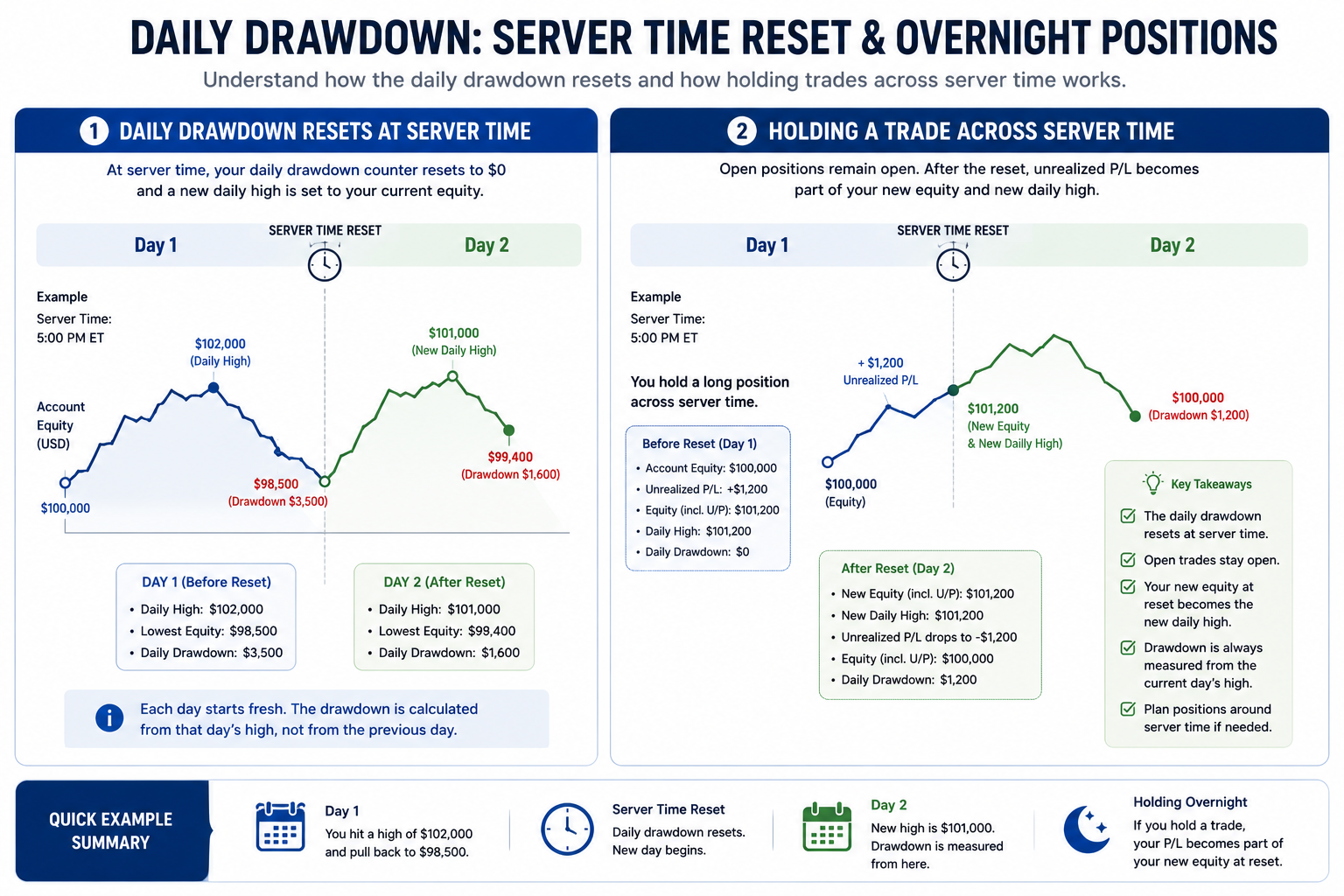
Fig 1.2 Tips to pass FTMO challenge diagram
What Top Traders and Research Say
Sound risk management matters more than any clever entry, and the literature agrees. In Trading in the Zone, Mark Douglas argues that consistent traders think in probabilities and protect capital relentlessly — precisely the discipline a prop firm challenge demands. Jack Schwager’s Market Wizards reinforces this through interviews where survival, not prediction, defined the greatest traders.
Academic research keeps expectations grounded. The widely cited Barber and Odean study, “Trading Is Hazardous to Your Wealth,” found that the most active retail traders underperformed largely because of overtrading and costs — a direct warning for anyone rushing an evaluation. As Paul Tudor Jones cautioned, “The secret to being successful is having defensive money management.” For traders learning how to pass prop firm challenge evaluations, that defensive mindset, not aggression, is exactly what keeps the account alive long enough to hit the target.
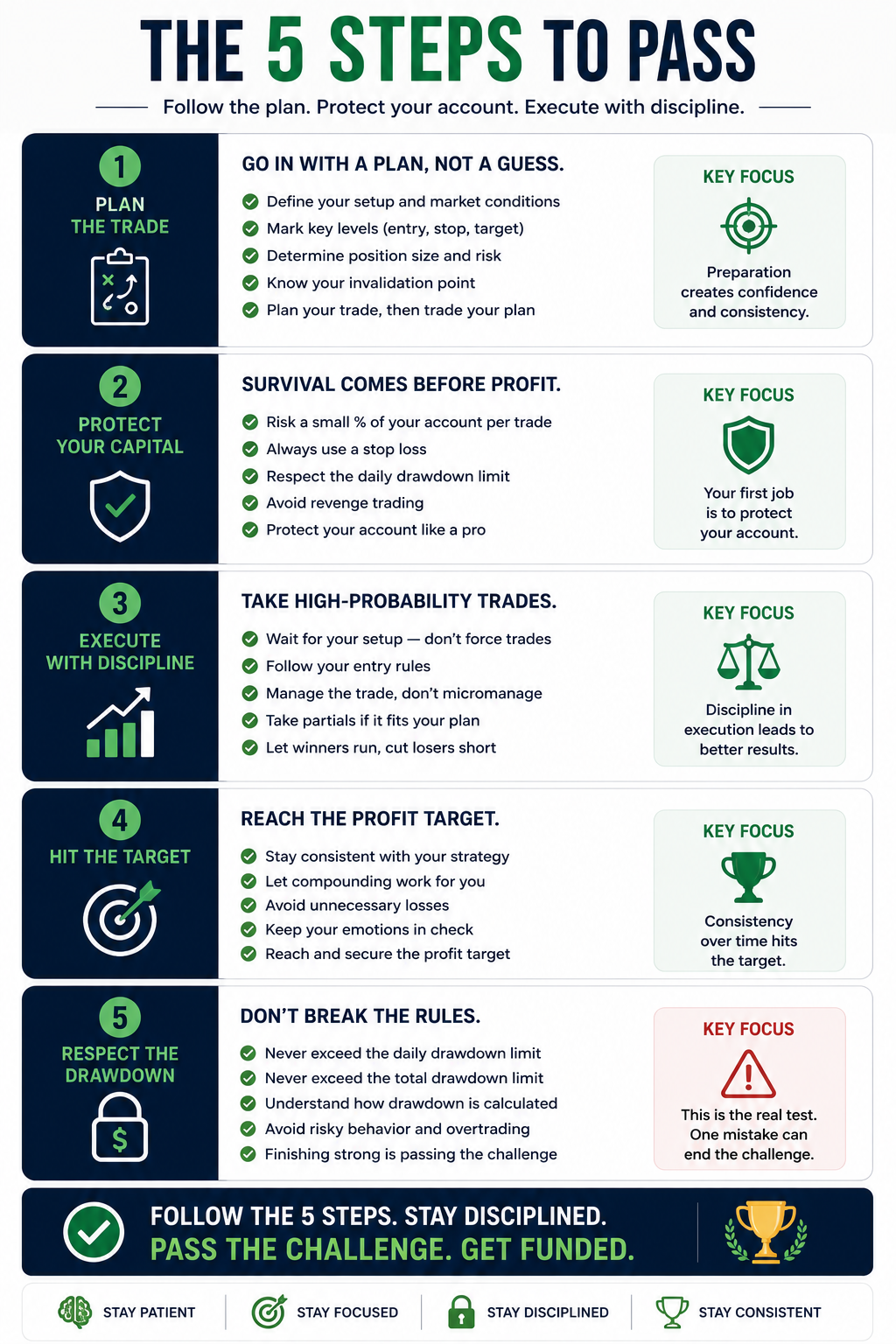
Fig 1.3 How to pass prop firm challenge checklist
Common Mistakes That Fail Otherwise Good Traders
Even skilled traders fail evaluations for avoidable reasons, and recognising the patterns protects your fee. The most frequent mistake is oversizing positions to hit the target quickly, which inflates drawdown and breaches the account on a single bad day. Treating the challenge as a race is the root cause of most failures.
A second mistake is revenge trading after a loss, abandoning the plan to “win it back” and compounding the damage. Many traders also ignore the daily loss limit, convinced the next trade will recover everything, which is how a manageable day becomes a blown account. Finally, some test an unproven strategy during the evaluation itself, paying real money to experiment. Avoiding these traps is the unglamorous core of every reliable prop firm challenge strategy — protect the account first, and the target takes care of itself.
Frequently Asked Questions
How do I pass a prop firm challenge on the first try?
Passing on the first try comes down to discipline, not luck. The clearest route to how to pass prop firm challenge evaluations is to risk a very small amount per trade, trade only proven setups, and aim for the target gradually across the full time window. Set a personal daily loss limit well inside the firm’s rule and stop the moment you reach it. Treating the evaluation like a real funded account rather than a lottery ticket dramatically improves first-attempt success.
What is the best prop firm challenge strategy?
The best prop firm challenge strategy prioritises capital protection over speed. Decide a tiny fixed risk per trade so a losing streak cannot approach the drawdown limit, take only your highest-probability setups, and spread gains across many trades and days. Always use a defined stop-loss, respect the daily limit, and reduce risk once you near the target. A patient, low-risk plan beats an aggressive one because it keeps you comfortably clear of the limits that end most accounts.
What are the key tips to pass FTMO challenge rules?
Strong tips to pass FTMO challenge rules start with knowing the exact daily and maximum drawdown and the server reset time, since holding a trade across the reset affects which day a loss counts. Spread your profit across several trades to satisfy consistency expectations, respect the minimum trading days, and avoid restricted news events. Keep risk per trade small and never oversize after a win. Steady, rule-compliant trading is what converts the evaluation into a funded account.
What is the pass rate for prop firm challenges?
Pass rates are generally low, which reflects how many traders rush the process rather than any unfairness in the rules. Most failures come from oversizing, revenge trading, or testing unproven strategies during the evaluation. Traders who follow a disciplined prop firm challenge strategy — small risk, proven setups, strict daily limits — pass at far higher rates than the average. The challenge is difficult precisely because consistent, risk-aware trading is genuinely hard, not because passing is impossible.
How much should I risk per trade in a challenge?
The safest approach to how to pass prop firm challenge evaluations is to risk a small fraction of the account per trade, comfortably under one percent. Small risk lets you survive several consecutive losses without approaching the drawdown limit, which preserves the room you need to recover and reach the target. Oversizing to hit the target faster is the leading cause of failure. Calculate your position size from your fixed risk and stop distance before every trade, and never deviate.
What happens if I fail a prop firm challenge?
If you breach a rule or run out of time, the evaluation ends and you must purchase a new one to try again. Some firms offer a paid reset, while others require a fresh challenge. The smartest response is to review your journal, identify exactly which rule or habit failed you, and fix it before re-attempting. Most traders who eventually succeed failed at least once first, treating the lost fee as tuition toward a more disciplined prop firm challenge strategy.
Final Thoughts
Mastering how to pass prop firm challenge evaluations is far less about finding a secret setup and far more about treating the firm’s drawdown limit as your true opponent. The traders who pass are rarely the boldest; they are the most disciplined — risking tiny amounts per trade, taking only proven setups, spreading gains across the full time window, and stopping the instant they hit a personal daily loss limit. A sound prop firm challenge strategy removes the pressure to rush, because steady, low-risk trading naturally drifts toward the target without ever flirting with a breach. The same discipline underpins every reliable set of tips to pass FTMO challenge rules: know the exact drawdown numbers and reset time, respect consistency and minimum-day requirements, and never oversize after a win. Read the rulebook before you pay, prove your strategy on a demo first, journal every trade, and treat the evaluation exactly as you would a live funded account. Do that, and passing stops feeling like luck and starts feeling like the predictable result of professional habits.