
Introduction
This USD/SEK forex market analysis December 2025 examines a pair caught between two forces — a US dollar shaped by Federal Reserve easing and a Swedish krona steered by the Riksbank’s own policy path. As the year wound down, USD/SEK traded in the mid-9s, with the dollar’s broad softness pulling the pair lower at times while episodes of risk aversion and central-bank divergence pushed it back up. For traders, the question was whether the krona could extend its gains against a soft dollar or whether the pair would hold its range into year-end. In this breakdown we map the key support and resistance levels, read the trend and momentum tools, and lay out clear bullish and bearish scenarios for the month. We also connect the picture to the parallel NZD/USD forex market analysis December 2025, showing how the broader year-end dollar and risk landscape took shape across less-watched majors.
Alt text: USD/SEK forex market analysis December 2025 daily chart
Market Context Through December 2025
The dominant forces shaping USD/SEK through December 2025 were the soft US dollar and the Riksbank’s policy stance. A weaker dollar, driven by expectations of continued Federal Reserve easing, exerted downward pressure on USD/SEK, supporting the krona. At the same time, the Riksbank’s own decisions on rates and its assessment of Swedish growth and inflation influenced how much the krona could appreciate.
The krona’s character as a smaller, more risk-sensitive European currency added nuance. During risk-on periods, the krona tended to firm against the dollar, pulling USD/SEK lower, while bouts of risk aversion saw the pair rebound as investors favoured the dollar’s safety. This produced a market shaped by the tug-of-war between broad dollar softness and shifting risk sentiment. Reading the chart in December meant weighing the dollar-negative backdrop against the krona’s sensitivity to global mood.
Trend and Overall Structure
On the daily chart, the structure leaned modestly lower through December, reflecting the soft-dollar theme, though with frequent consolidations. USD/SEK had largely traded beneath its shorter-term moving averages during the dollar’s weaker spells, while risk-off episodes produced sharp counter-trend bounces that tested the bearish bias.
The character of the move was range-bound with a soft-dollar tilt rather than a clean, sustained downtrend. The mid-9s acted as a broad band within which the pair oscillated, with the dollar’s weakness capping rallies and risk aversion cushioning declines. The sensible reading was that the path of least resistance leaned modestly lower while the dollar stayed soft, but that the pair’s two-way sensitivity to risk demanded attention to both directions.
Key Support and Resistance Levels
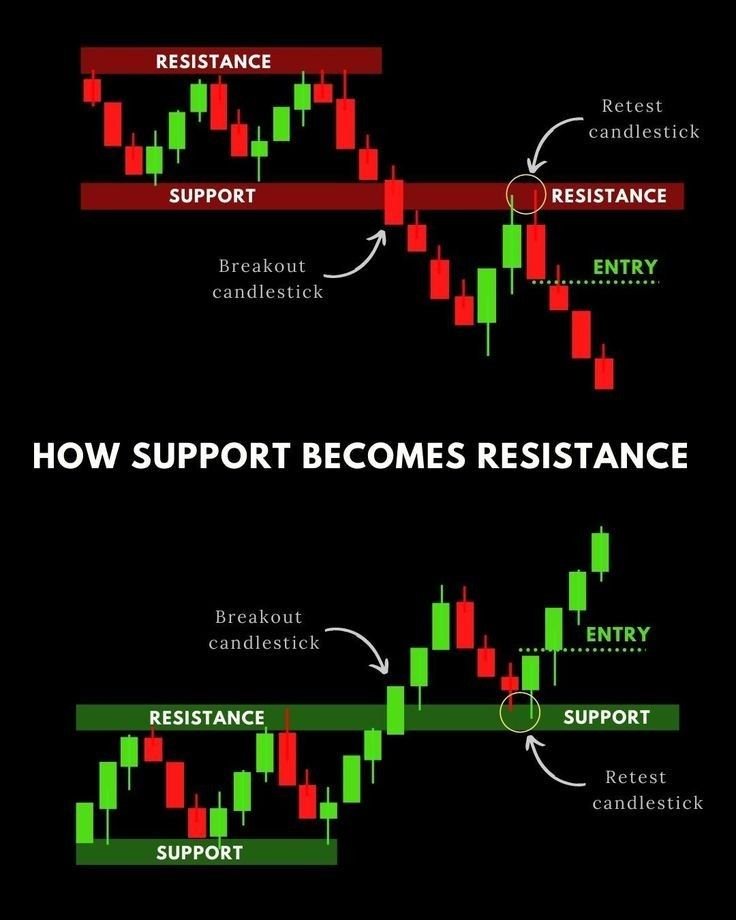
Defining clear levels helped navigate a range-bound pair. On the downside, immediate support sat around 9.30, with 9.20 and then the psychologically important 9.00 region as deeper targets. A clean break below 9.30 would have signalled the krona was extending its gains against a soft dollar toward the lower end of the range.
On the upside, initial resistance rested near 9.50, with 9.60 and then 9.70 marking where rallies on risk aversion had stalled. The table below summarises the levels that framed the month.
| Type | Level | Significance |
|---|---|---|
| Resistance 3 | 9.70 | Upper boundary of the range |
| Resistance 2 | 9.60 | Risk-off rally target |
| Resistance 1 | 9.50 | Near-term resistance |
| Support 1 | 9.30 | Near-term support |
| Support 2 | 9.20 | Intraday demand zone |
| Support 3 | 9.00 | Major psychological support |
Alt text: USD/SEK support and resistance levels
Moving Averages and Momentum Indicators
The moving average picture reflected the range-bound, soft-dollar tilt. Price oscillated around its 50-day moving average, dipping below during the dollar’s weaker spells and rebounding above on risk-off bounces, which underscored the absence of a strong directional trend. The 200-day average offered a longer-term reference that the pair respected during broader swings.
Momentum tools mirrored the choppy character. The Relative Strength Index swung through neutral territory, reaching toward oversold during sharp krona-positive moves and rebounding during dollar-supportive bounces, without establishing a sustained extreme. The MACD hovered near its zero line, fluctuating with the range. The combined message was a market lacking strong momentum in either direction — a range to be traded from its edges rather than a trend to be chased.

Alt text: USD/SEK RSI and MACD momentum readings
Bullish and Bearish Scenarios
For the bearish scenario (a lower USD/SEK), continued dollar weakness or firm risk appetite could have driven a break below 9.30 toward 9.20 and potentially the 9.00 region, extending the krona’s gains. In this case, bounces toward 9.50 would represent opportunities to position for further downside rather than reasons to turn bullish on the dollar.
For the bullish scenario (a higher USD/SEK), a bout of risk aversion, a firmer dollar, or a dovish Riksbank could have lifted the pair back toward 9.50, 9.60, or 9.70. Given the krona’s risk sensitivity, such rebounds could be swift, so traders fading the soft-dollar theme needed to respect the range’s upper boundary and manage risk on both sides of a pair that lacked a dominant trend.
How This Connected to the Year-End Currency Landscape
The December USD/SEK picture formed one piece of a varied year-end landscape. As the parallel NZD/USD forex market analysis December 2025 showed, the risk-sensitive New Zealand dollar traded against its own mix of dollar direction and global risk appetite, offering a higher-beta complement to the krona’s European story. Both currencies shared a sensitivity to risk sentiment, even as their specific drivers differed.
Viewing USD/SEK alongside NZD/USD highlighted the common thread of a soft dollar shaping the less-watched majors, while each pair carried its own central-bank and regional nuances. The krona responded to the Riksbank and European risk tone, the kiwi to the Reserve Bank of New Zealand and global risk appetite. Together, they illustrated that December 2025’s currency landscape was a mosaic of dollar softness, central-bank divergence, and shifting risk sentiment rather than a single unifying trend.
What Top Traders and Research Say
Experienced traders approach range-bound markets differently from trending ones. As Jesse Livermore observed, “There is a time to go long, a time to go short, and a time to go fishing.” In a choppy, two-way pair like USD/SEK through December, patience and selectivity often beat forcing a directional bet that the market was not offering.
The academic literature supports adapting strategy to market conditions. In their study “Foundations of Technical Analysis,” Andrew Lo, Harry Mamaysky, and Jiang Wang found that technical methods carry informational value, but their usefulness depends on context — trend tools in trends, range tactics in ranges. For a structured framework on reading support, resistance, and momentum, John Murphy’s Technical Analysis of the Financial Markets remains the definitive reference. Both the evidence and the literature counsel trading USD/SEK’s range from its edges with discipline rather than chasing a trend that was not firmly in place.
Frequently Asked Questions
What did the USD/SEK forex market analysis December 2025 show? The USD/SEK forex market analysis December 2025 showed a range-bound pair in the mid-9s with a modest soft-dollar tilt, caught between dollar weakness pulling it lower and risk-off bounces lifting it back up. Price oscillated around its 50-day moving average while momentum stayed neutral, lacking a sustained extreme. Resistance stood near 9.50 and 9.60, with support at 9.30 and 9.20. The bias leaned modestly lower while the dollar stayed soft, but the pair’s two-way sensitivity favoured trading the range from its edges.
Where were the key USD/SEK levels in December 2025? Key support levels were 9.30, 9.20, and the psychological 9.00 region, while resistance rested at 9.50, 9.60, and 9.70. A break below 9.30 would have signalled the krona extending gains against a soft dollar, whereas a rebound through 9.50 pointed to a risk-off recovery. These levels framed both the bearish and bullish setups discussed in this USD/SEK forex market analysis December 2025, helping traders define entries and risk around the range.
What drove USD/SEK in December 2025? USD/SEK was driven by the tug-of-war between a soft US dollar and the Swedish krona’s sensitivity to risk sentiment and Riksbank policy. The dollar’s broad weakness, tied to Federal Reserve easing expectations, exerted downward pressure on the pair, while bouts of risk aversion saw it rebound as investors favoured the dollar. The Riksbank’s stance on rates and Swedish growth also influenced the krona. This combination produced a range-bound market with a modest soft-dollar tilt rather than a clean directional trend throughout the month.
How did USD/SEK relate to NZD/USD in December 2025? Both pairs shared a sensitivity to risk sentiment and the soft-dollar theme, even as their specific drivers differed. The parallel NZD/USD forex market analysis December 2025 captured the risk-sensitive kiwi reacting to dollar direction and global risk appetite, complementing the krona’s European story tied to the Riksbank. Viewing them together highlighted that a soft dollar shaped the less-watched majors broadly, while each carried its own central-bank and regional nuances, underscoring the mosaic of themes defining December 2025’s currency landscape.
Was USD/SEK trending or ranging in December 2025? USD/SEK was primarily ranging with a modest soft-dollar tilt rather than trending cleanly. Price oscillated within the mid-9s, with dollar weakness capping rallies and risk aversion cushioning declines, while momentum tools swung through neutral territory without establishing a sustained extreme. This choppy, two-way character meant trend-following tactics were less effective than trading the range from its edges. The analysis stressed patience and selectivity, favouring defined entries near support or resistance over forcing a directional bet the market was not clearly offering.
Final Thoughts
The USD/SEK forex market analysis December 2025 captured a range-bound pair in the mid-9s, caught in a tug-of-war between a soft US dollar pulling it lower and risk-off bounces lifting it back up, with no dominant trend in either direction. Price oscillated around its 50-day moving average between support near 9.30 and resistance near 9.50, while momentum swung through neutral territory without a sustained extreme. The modest soft-dollar tilt favoured the downside while the dollar stayed weak, but the krona’s two-way risk sensitivity meant the range demanded trading from its edges rather than chasing a trend. As the parallel kiwi session confirmed, a soft dollar shaped the less-watched majors broadly while each carried its own central-bank nuances. For traders, the enduring lesson is to match tactics to conditions, trade defined levels, and let disciplined risk management guide each decision. This article is educational and reflects technical analysis as of December 2025; it is not financial advice.
Track the markets with confidence. Visit forexmarkettrendss.com for daily forex analysis, key levels, and trading strategy guides.