
Introduction
Ask any active forex community what is ICT trading, and you will hear a flood of terms — liquidity, order blocks, killzones, displacement — that can leave a newcomer more confused than informed. ICT, short for Inner Circle Trader, is a price-action methodology created by Michael Huddleston that reframes the market around how institutional money actually moves price. Rather than relying on lagging indicators, it teaches traders to see the market through the eyes of banks and large funds. The approach has exploded across social media, yet clear, jargon-free explanations remain rare. Many beginners simply want ICT forex explained in plain English before deciding whether to invest the study time. In this guide you will learn exactly what ICT trading is, the essential ICT concepts forex traders use, how the method differs from traditional analysis, its pros and cons, and how to start learning it sensibly.
What Is ICT Trading, Exactly?
What is ICT trading at its core? It is a price-action methodology that interprets the market through the lens of institutional order flow. ICT stands for Inner Circle Trader, the online name of Michael Huddleston, who developed and popularised the approach. The central premise is that large players — banks, funds, and other institutions — move price deliberately to fill their sizable orders, frequently by triggering the predictable stop-losses of retail traders.
This is a fundamentally different starting point from traditional technical analysis. Instead of asking what an oscillator signals, ICT asks where institutions need price to travel to execute their orders. That perspective explains many otherwise puzzling moves, like a sharp spike above a swing high that immediately reverses. Understanding what is ICT trading means accepting that the visible chart often hides a deeper game of liquidity and intent.
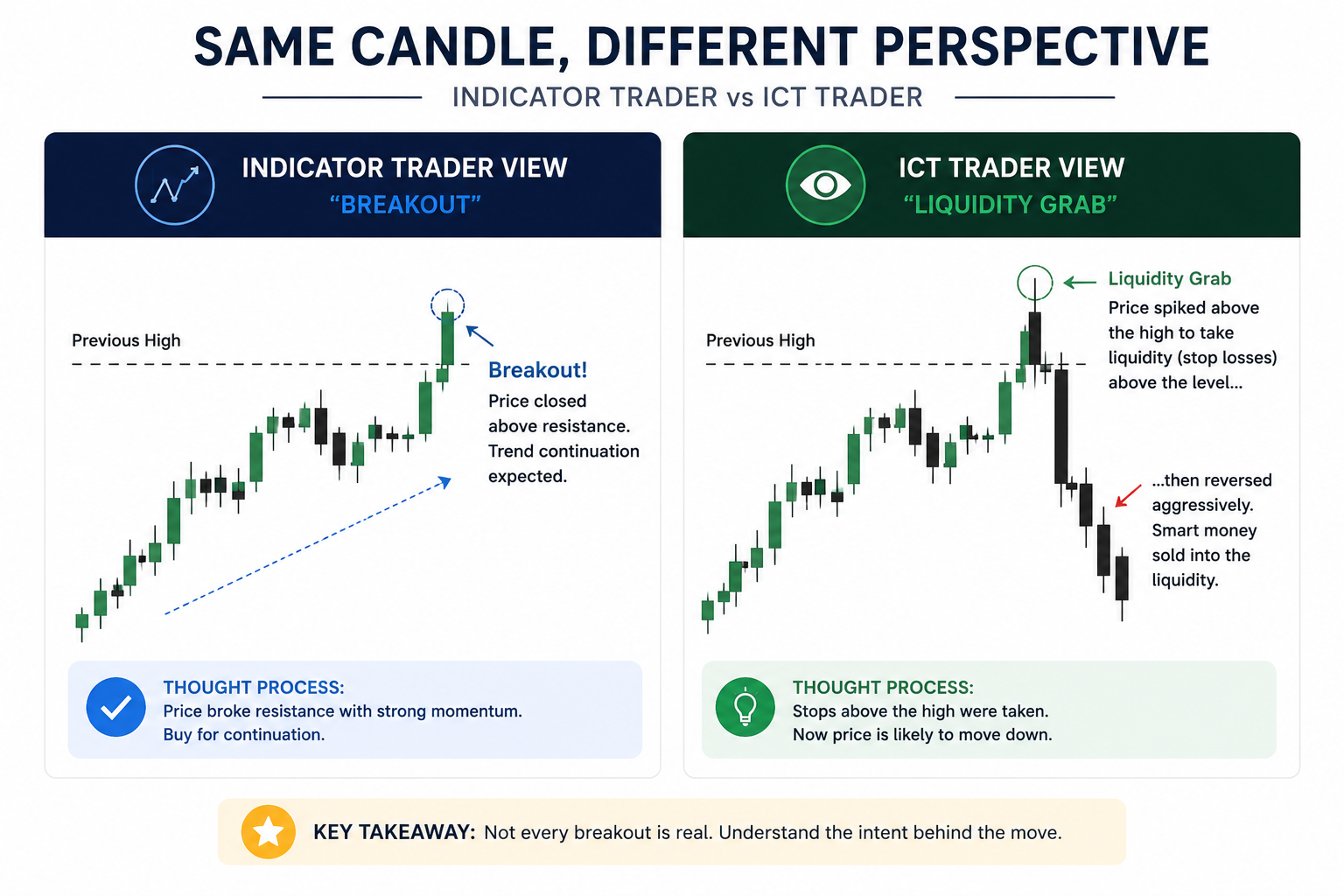
Fig 1.1 What is ICT trading illustrated by price
The Core ICT Concepts Forex Traders Use
To genuinely answer what is ICT trading, you must understand its building blocks, because the ICT concepts forex traders rely on all interlock. The first is liquidity — the clusters of stop-losses and pending orders resting above swing highs and below swing lows. ICT teaches that institutions drive price into these pools to fill orders, then reverse direction.
The second is the order block, the final opposing candle before a powerful move, which often becomes support or resistance when price revisits it. The third is the fair value gap, an imbalance left when price moves so fast it skips efficient trading; price tends to return and fill it. Market structure ties it together, defining trend through the sequence of highs and lows. These four ideas are the heart of ICT forex explained in any honest summary.
| ICT Concept | Plain-Language Meaning |
|---|---|
| Liquidity | Pools of stop-losses above highs and below lows |
| Order block | Last opposing candle before a strong move |
| Fair value gap | A price imbalance that often gets filled |
| Market structure | The trend defined by highs and lows |
How ICT Differs From Traditional Analysis
The clearest way to grasp what is ICT trading is to contrast it with conventional technical analysis. Traditional methods lean heavily on indicators — moving averages, RSI, MACD — which calculate from past price and therefore lag. They answer “what has price done?” ICT instead reads raw price behaviour to infer “what are institutions trying to do?”
This shift changes how a trader sees a stop hunt. Where an indicator trader might see a breakout above resistance, an ICT trader sees a liquidity grab designed to trap breakout buyers before a reversal. Neither view is automatically correct, but the ICT lens often explains the fakeouts that frustrate indicator-based traders. For anyone wanting ICT forex explained simply, the key difference is intent: ICT treats price moves as deliberate engineering by large players rather than random or purely technical events.
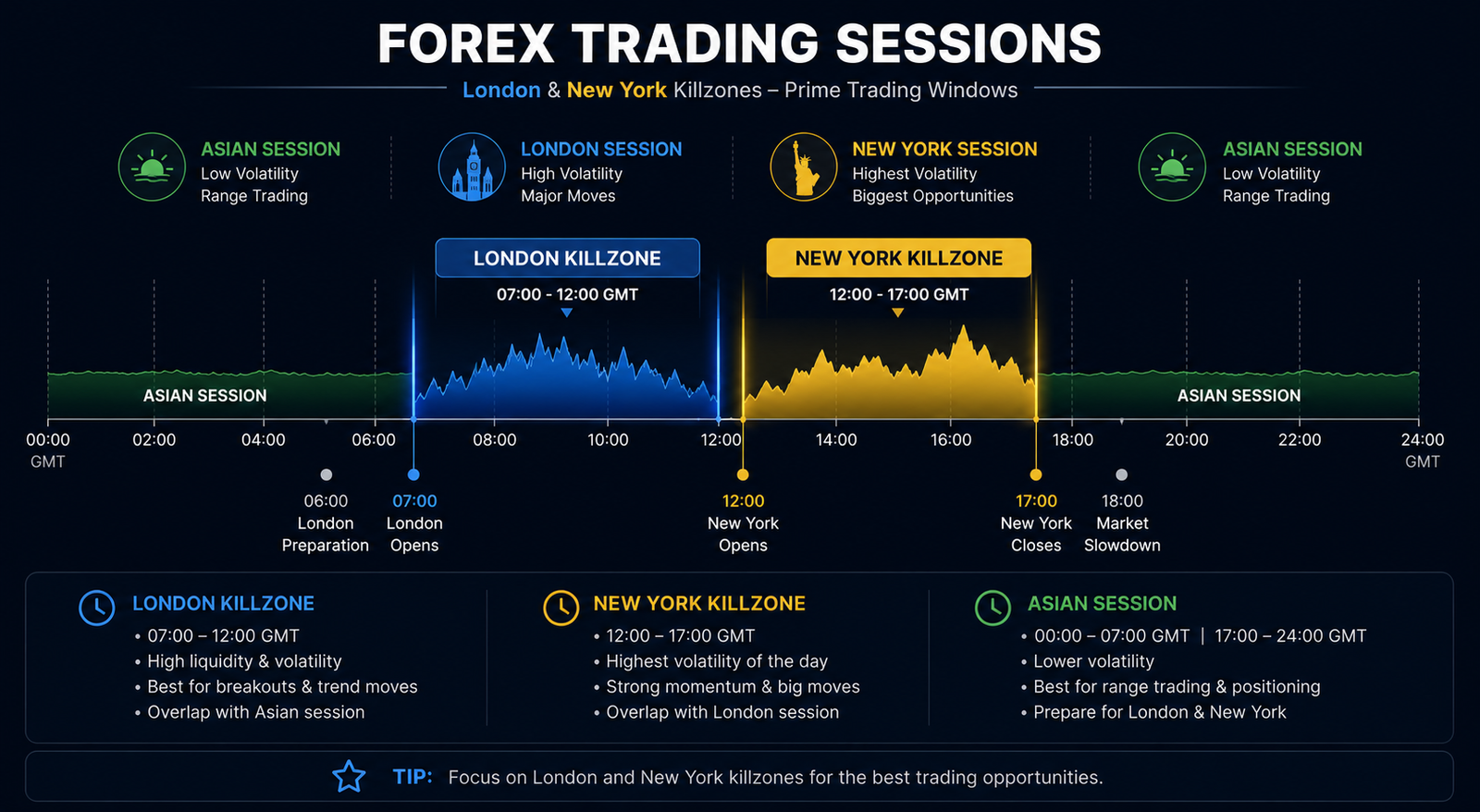
Fig 1.2 ICT forex explained comparing an indicator
The Role of Timing and Killzones
A distinctive part of answering what is ICT trading is its emphasis on timing. ICT teaches that institutional activity concentrates in specific windows called killzones, typically around the London and New York session opens. During these periods, order flow is strongest and the cleanest setups tend to form, while quieter hours produce unreliable, low-volume moves.
This focus on timing sets ICT apart from strategies that treat every hour equally. By trading only when institutions are most active, ICT users aim to align with genuine order flow rather than random noise. The concept of the “Judas swing” — a deceptive early move that traps traders before the real direction unfolds — also ties into this timing framework. For learners exploring ICT concepts forex traders use, mastering when to trade is as important as understanding the setups themselves.
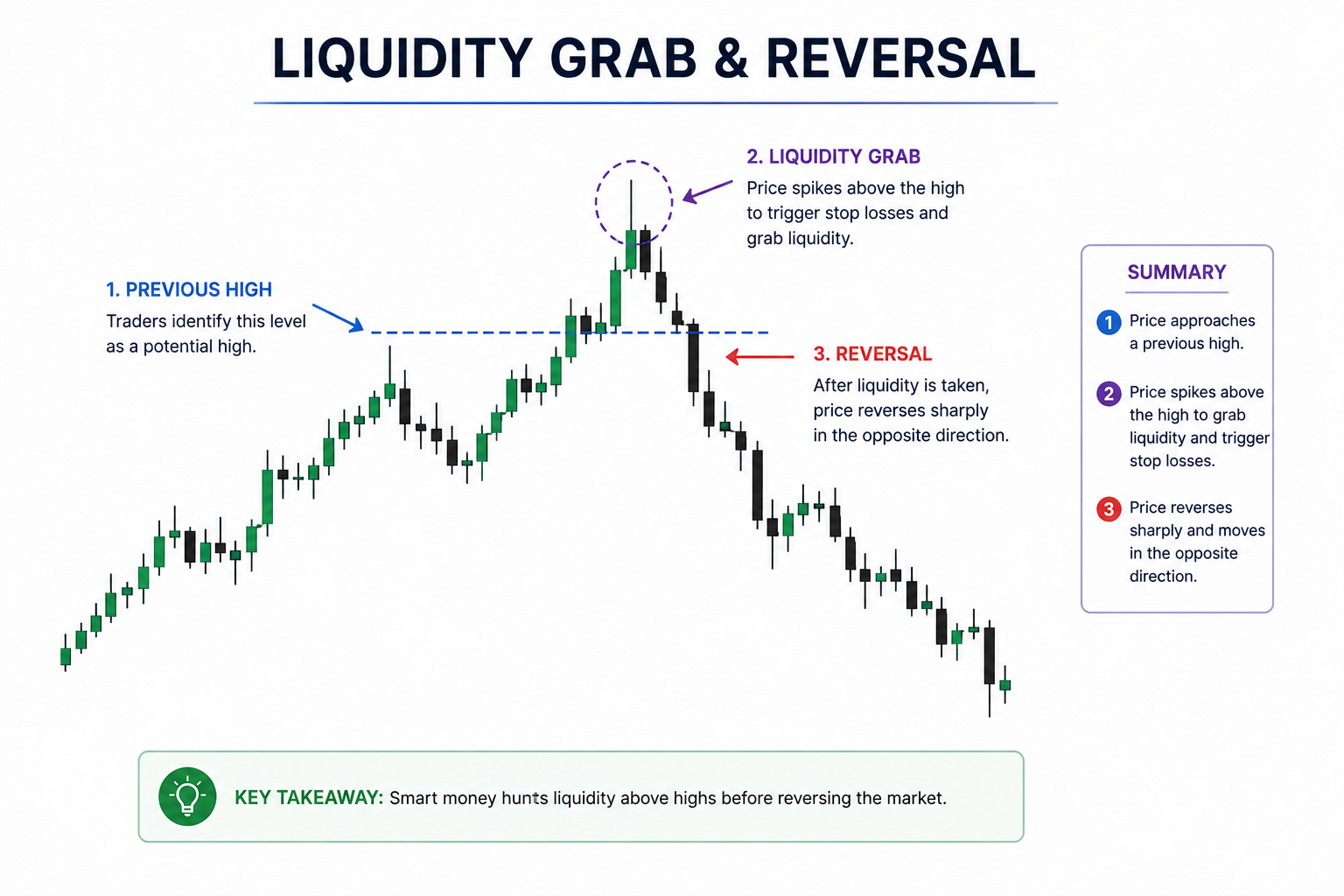
Fig 1.3 ICT killzones timeline highlighting London
What Top Traders and Research Say
Sound execution matters more than any single concept, and the broader literature supports ICT’s structural focus. In Technical Analysis of the Financial Markets, John Murphy emphasises that support, resistance, and market structure underpin all price analysis — precisely what ICT formalises through liquidity and order blocks. For the patience to wait for institutional setups rather than forcing trades, Mark Douglas’s Trading in the Zone remains essential reading.
Academic research keeps any method grounded. The widely cited study by Barber and Odean, “Trading Is Hazardous to Your Wealth,” found that the most active retail traders underperformed largely because of overtrading and costs — a direct caution for anyone learning what is ICT trading and tempted to trade every perceived sweep. As Jesse Livermore observed, “The big money is made in the waiting.” That patience captures the discipline ICT demands: wait for the killzone, wait for the liquidity grab, then act.
Pros and Cons of ICT Trading
Like any methodology, ICT has genuine strengths and real drawbacks, and an honest answer to what is ICT trading must cover both. On the positive side, it offers a logical explanation for fakeouts and stop hunts that baffle indicator traders, and it encourages patience by focusing on specific high-probability windows. Many traders find it sharpens their reading of raw price action.
The drawbacks are equally important. The terminology is dense and the learning curve steep, which discourages many beginners. The flexibility of the concepts can also lead to hindsight bias, where any move is explained after the fact, making honest backtesting difficult. Without a clear bias and strict rules, ICT can become a confusing collection of labels. Weighing these realities is part of understanding ICT forex explained properly — it is a powerful lens for disciplined students and a confusing maze for those seeking shortcuts.
Frequently Asked Questions
What does ICT stand for in trading?
ICT stands for Inner Circle Trader, the online name of Michael Huddleston, who created and popularised the methodology. Answering what is ICT trading therefore means understanding a price-action approach focused on how institutional money moves the market. ICT teaches traders to read liquidity, order blocks, fair value gaps, and market structure rather than rely on lagging indicators. The name reflects the idea of trading with the “inner circle” of large institutions instead of against them, which is the core philosophy behind the entire method.
Is ICT trading legit or just hype?
ICT trading is a legitimate price-action framework used by many serious traders, though it is also surrounded by social-media hype. The ICT concepts forex traders use — liquidity, order blocks, and market structure — describe observable, repeatable price behaviour. The method’s legitimacy depends on disciplined application: a clear higher-timeframe bias, patience, and strict risk management. Like any approach, it is neither magic nor a scam. Traders who study it properly and apply it selectively can benefit, while those chasing quick riches usually struggle regardless of the strategy.
What are the main ICT concepts forex traders use?
The main ICT concepts forex traders rely on are liquidity, order blocks, fair value gaps, and market structure, supported by timing through killzones. Liquidity marks where stop-losses cluster, order blocks identify likely support and resistance, fair value gaps highlight imbalances price tends to revisit, and market structure defines the trend. Killzones pinpoint when institutional activity peaks. Together these ideas explain how price moves and when to act, forming the complete foundation of ICT forex explained in any thorough overview.
Is ICT trading good for beginners?
ICT can work for beginners, but it has a steeper learning curve than most simple strategies because of its dense terminology. Newcomers should focus first on understanding what is ICT trading conceptually — liquidity, order blocks, fair value gaps, and structure — before attempting live setups. Starting with one session, one or two pairs, and a clear higher-timeframe bias prevents overwhelm. With patient demo practice, the concepts become intuitive, but beginners seeking instant results are usually better served by simpler approaches until they build pattern recognition.
How is ICT different from regular technical analysis?
The key difference lies in perspective. Regular technical analysis leans on lagging indicators that answer “what has price done?”, while ICT reads raw price to infer “what are institutions trying to do?”. Where an indicator trader sees a breakout, an ICT trader may see a liquidity grab designed to trap buyers. This is central to ICT forex explained: the method treats price moves as deliberate engineering by large players rather than random or purely technical events, which often clarifies the fakeouts that frustrate indicator-based traders.
Can I learn ICT trading on my own?
Yes, many traders learn ICT independently using free educational material and patient demo practice, though it requires real commitment. Start by understanding what is ICT trading at a conceptual level, then study one concept at a time — liquidity first, then order blocks, fair value gaps, and structure. Apply each on a demo account before combining them. Keeping a trading journal to record setups and outcomes accelerates learning. Self-study works well for disciplined learners, but rushing through the ICT concepts forex traders use usually leads to confusion rather than skill.
Final Thoughts
So, what is ICT trading? It is a price-action methodology that reframes the market around institutional intent, teaching traders to see beyond lagging indicators and into the liquidity, order blocks, fair value gaps, and market structure that large players use to move price. Created by Michael Huddleston, the Inner Circle Trader, the approach explains many of the fakeouts and stop hunts that frustrate conventional traders by treating them as deliberate engineering rather than random noise. The real value of ICT forex explained properly is the shift in perspective: instead of asking what an oscillator signals, you ask where institutions need price to go. That lens, combined with disciplined timing around the killzones and strict risk management, can sharpen anyone’s reading of raw price. The terminology is dense and the learning curve steep, so patience matters — study one concept at a time, practise on a demo account, and resist the temptation to label every candle. Approached with discipline, the ICT concepts forex traders use can bring genuine structure and clarity to the way you understand the market.