
Introduction
Reading direction is the single most important skill a currency trader can build, and forex trend indicators are the tools that make it possible. They take raw price movement and turn it into a clear, visual story about whether a market is rising, falling, or simply drifting sideways. In this guide, you will learn how the most trusted indicators actually work, when to lean on them, and how to combine them without drowning your charts in noise. We will compare moving averages, MACD, ADX, and Ichimoku side by side so you can pick the right tool for your style. You will also see where to find a reliable free forex indicator and how a safe forex indicators download fits into a modern MetaTrader workflow. By the end, you will trade trends with more confidence and far less guesswork.
What Forex Trend Indicators Actually Measure
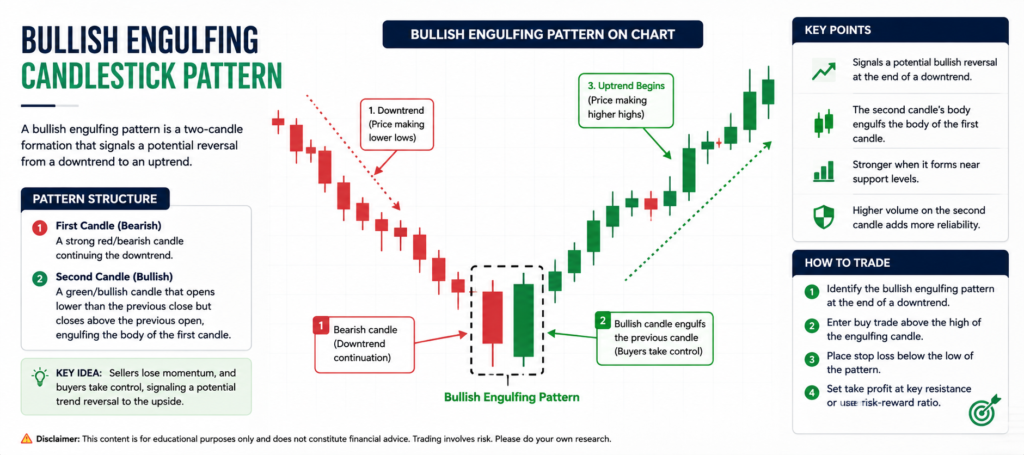
Before chasing the “best” tool, it helps to understand what these indicators are doing under the hood. Every trend indicator is, at its core, a math formula applied to price and sometimes volume. The output smooths or transforms that data so the eye can spot direction quickly. A trend is simply a series of higher highs and higher lows, or lower highs and lower lows, sustained over time. Indicators exist because raw candles can be chaotic, and the human brain struggles to weigh dozens of bars at once.
There are two broad families worth knowing. Lagging indicators, such as moving averages, follow price and confirm a move after it begins. Leading indicators, such as certain oscillators, try to anticipate turns before they fully form. Forex trend indicators lean heavily toward the lagging side because confirming a trend reliably matters more than catching the exact bottom. That trade-off is the foundation of trend following: you accept a slightly late entry in exchange for a higher probability that the move is real.
It is also vital to separate trend tools from range tools. In a sideways market, a trend indicator will whipsaw you with false signals. This is why professional traders pair direction tools with a strength gauge. Knowing that a market is trending is only half the picture; knowing how strongly it trends tells you whether to commit. Throughout this guide, keep that distinction in mind, because it explains why no single indicator wins in every condition.
Moving Averages: The Backbone of Trend Trading
If you learn only one tool, make it the moving average. A moving average plots the average closing price over a chosen number of periods, creating a smooth line that rises in uptrends and falls in downtrends. The simple moving average (SMA) weights every period equally, while the exponential moving average (EMA) gives recent prices more influence, reacting faster to fresh momentum. Day traders often favor the EMA for its responsiveness, while position traders lean on the SMA for stability.
The real power comes from how price interacts with the line. When price holds above a rising 50-period average, the bias is bullish, and pullbacks toward that line often become buying opportunities. When price slips below a falling average, sellers control the tape. Many traders run two averages together, such as a fast 20 and a slow 50. The crossover where the fast line crosses above the slow line signals a possible uptrend, and the opposite cross hints at weakness. This EMA crossover approach is one of the most copied strategies in retail trading for good reason: it is simple, visual, and surprisingly durable.
Moving averages do have a weakness. Because they lag, they shine in trending markets and frustrate you in choppy ones. During tight ranges, the lines tangle and crosses fire repeatedly with no follow-through. The fix is not to abandon the tool but to apply a filter. Combine your averages with a strength reading, or only trade crossovers in the direction of a higher timeframe trend. Used with discipline, moving averages remain the most dependable starting point in any trader’s toolkit.
MACD: Momentum Behind the Trend
The Moving Average Convergence Divergence indicator, or MACD, builds on the averages you just learned. It subtracts a slow EMA from a fast EMA to produce the MACD line, then plots a signal line and a histogram that shows the gap between them. The default settings of 12, 26, and 9 have become an industry standard, though shorter settings suit faster markets. What makes MACD special is that it captures both direction and momentum in a single panel.
Traders read MACD in several ways. A crossover of the MACD line above the signal line suggests building bullish momentum, while a cross below warns of fading strength. The histogram offers an early heads-up: when its bars start shrinking, the current move is losing steam even before a cross occurs. Perhaps the most prized signal is divergence, where price makes a new high but MACD makes a lower high. That mismatch often precedes a reversal and gives alert traders a reason to tighten stops or take profit.
MACD pairs beautifully with a clean trend filter. On its own, it can mislead during sharp, news-driven spikes. But when you confirm a MACD cross with price sitting above a key moving average, the signal carries far more weight. This is the heart of confluence trading: stacking independent tools that agree before you risk capital. Many of the best free forex indicators packaged for MetaTrader include enhanced MACD variants with alerts, so you can step away from the screen and still catch the setup.
ADX: Measuring Trend Strength, Not Direction
Here is the tool most beginners overlook, and the one that quietly separates struggling traders from consistent ones. The Average Directional Index, or ADX, does not tell you which way the market is going. Instead, it measures how strong the move is, on a scale from zero to one hundred. A reading below 20 signals a weak or ranging market where trend strategies tend to fail. A reading above 25 confirms that a genuine trend is underway, and readings above 40 mark powerful, sustained moves.
This single insight transforms how you use every other indicator. Imagine your moving averages just produced a crossover. Should you trust it? Glance at the ADX. If it sits at 12, the market is drifting, and that cross is probably a trap. If it reads 30 and rising, the trend has fuel, and your entry stands on firmer ground. ADX, in effect, acts as the master filter that tells your direction tools when to speak and when to stay quiet.
The indicator usually ships with two companion lines, the positive and negative directional indicators, which reveal whether bulls or bears dominate. When the positive line sits above the negative line and ADX rises, an uptrend strengthens. The reverse points to a deepening downtrend. By combining strength from ADX with direction from a moving average, you build a complete trading thesis. This is exactly why forex trend indicators work best in teams rather than alone.
Ichimoku Cloud: An All-in-One Trend System
For traders who want direction, momentum, and support levels in a single glance, the Ichimoku Kinko Hyo system delivers. Developed by Japanese journalist Goichi Hosoda and refined over decades, Ichimoku plots five lines that together form a “cloud,” known as the Kumo. The cloud projects forward, offering a visual map of likely support and resistance before price even arrives there. When price trades above the cloud, the trend is bullish; below it, bearish; and inside it, undecided.
The system rewards patience. The conversion and base lines act like fast and slow moving averages, and their crossover above the cloud is a classic bullish trigger. A thick cloud signals strong support or resistance, while a thin cloud warns that the level may break easily. The lagging span, plotted behind price, confirms momentum by comparing the current close to action from periods ago. Together, these elements give a holistic read that fewer, simpler tools cannot match.
Ichimoku can feel overwhelming at first because so much information appears at once. The cure is to start with one rule: only take longs when price sits clearly above the cloud and shorts when it sits below. As your eyes adjust, you can layer in the crossovers and the lagging span for higher-conviction entries. Because the system is self-contained, many traders treat it as a complete strategy rather than just another indicator, and it remains a favorite for swing traders who study daily and four-hour charts.
Comparing the Major Trend Indicators
No single indicator dominates every market, so the smart move is matching the tool to the job. The table below summarizes how the leading trend indicators stack up across the qualities that matter most. Use it as a quick reference when deciding what to load on your charts, but remember that real edge comes from combining two or three that complement one another rather than overlap.
| Indicator | Primary Use | Speed | Best Market | Beginner Friendly |
|---|---|---|---|---|
| Moving Average (EMA/SMA) | Direction and dynamic support | Lagging | Trending | High |
| MACD | Momentum and divergence | Moderate | Trending to volatile | Medium |
| ADX | Trend strength filter | Lagging | Any (as a filter) | Medium |
| Ichimoku Cloud | All-in-one trend system | Moderate | Trending swing markets | Lower |
| Parabolic SAR | Trailing stop and reversals | Fast | Strong trends | High |
| Supertrend | Direction and trailing exit | Moderate | Trending | High |
Notice how the tools serve different roles. Moving averages and Ichimoku define direction. MACD and the histogram gauge momentum. ADX confirms whether any of it is worth trading. Parabolic SAR and Supertrend excel at managing exits once you are in a winning trade. A practical setup might be a 50 EMA for bias, ADX above 25 as the green light, and a MACD cross for timing. That trio respects the golden rule: each tool answers a different question instead of repeating the same one.
How to Download and Install Forex Indicators Safely
Most traders run their charts inside MetaTrader 4 or MetaTrader 5, both of which support custom indicators. While the platforms ship with the classics built in, a vast ecosystem of community tools fills the gaps, from non-repaint trend dashboards to multi-timeframe scanners. Performing a forex indicators download is straightforward, but doing it safely takes a little care, because custom files are executable code that runs on your machine.
Start with reputable sources. The official MetaTrader Market, established trading forums, and well-known broker resource pages are far safer than anonymous file-sharing links. When you obtain a free forex indicator, check that the file carries the correct extension for your platform and scan it before opening. To install, drop the file into the indicators folder inside your MetaTrader data directory, restart the platform, and the tool appears in your navigator panel ready to drag onto a chart. Always test a new indicator on a demo account first, so a buggy or repainting tool never touches real capital.
Be skeptical of any download that promises guaranteed profits or a “holy grail” signal. Honest tools help you read the market; they do not predict the future. Pay special attention to the repainting issue, where an indicator quietly redraws past signals to look perfect in hindsight. A genuine non-repaint indicator locks its signals once a candle closes. By sourcing carefully, testing on demo, and favoring transparent tools, you can expand your toolkit without inviting unnecessary risk onto your trading station.
Building a Practical Trend Trading Workflow
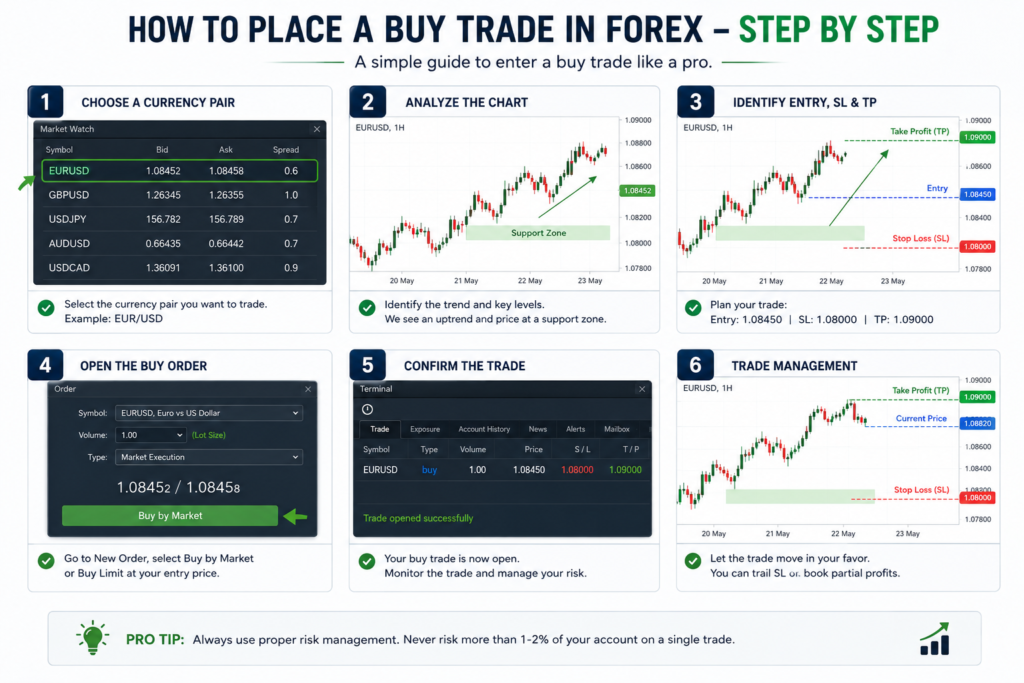
Knowing each indicator is one thing; weaving them into a repeatable routine is what produces results. A strong workflow begins on a higher timeframe to establish the dominant bias. Many swing traders check the daily chart first, confirm that price respects a rising moving average, and verify with ADX that the trend has real strength. Only then do they drop to a lower timeframe, such as the four-hour or one-hour, to time a precise entry in the same direction.
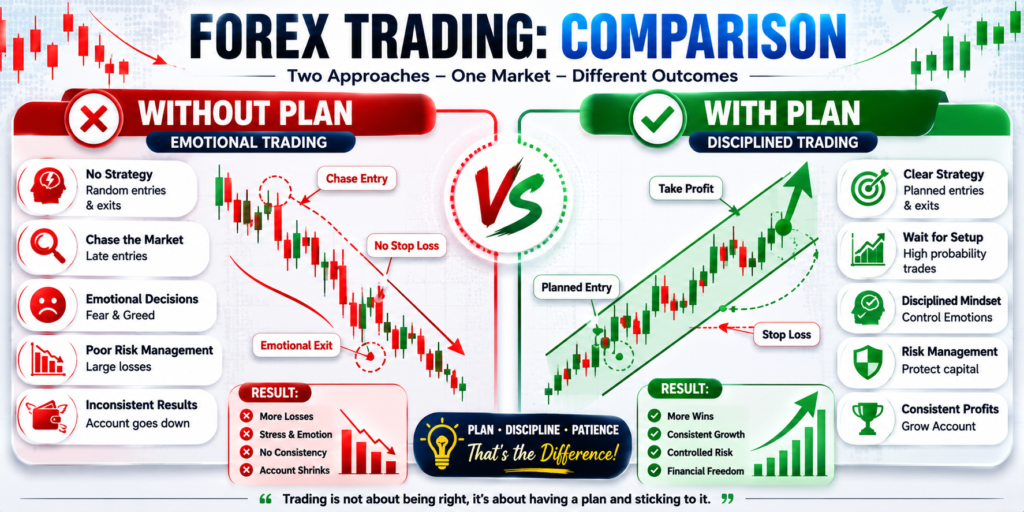
The execution layer is where momentum tools earn their keep. With the higher-timeframe bias set to bullish, you wait for a pullback and look for a MACD cross or a bounce off the moving average to trigger your entry. Risk management wraps around the whole process: a stop loss placed beyond a recent swing low, a position size that risks only a small slice of your account, and a plan to trail your stop with Parabolic SAR or Supertrend as the trade matures. This structure keeps emotion out of the decision.
The final habit is review. After each trade, note which signals aligned and which misfired, and you will quickly learn the personality of your chosen pairs. Over time, you may trim your charts to the two or three tools that genuinely add value, because clarity beats clutter. The traders who last are rarely those with the fanciest indicators. They are the ones who apply a simple, tested process with discipline, day after day, through every market mood.
What Top Traders and Research Say
The wisdom around trend trading is well documented, and grounding your approach in credible sources builds confidence. The definitive textbook remains John J. Murphy’s Technical Analysis of the Financial Markets, widely regarded as the standard reference for chart analysis, indicators, and trend identification across markets. If you read only one book on the subject, this is the one most professionals recommend.
On the academic side, the study by Andrew W. Lo, Harry Mamaysky, and Jiang Wang, “Foundations of Technical Analysis,” published in The Journal of Finance in 2000, examined whether technical patterns carry real information. Using rigorous statistical methods, the researchers found that several technical indicators do provide incremental value, lending scholarly support to tools that many traders had used on instinct for decades. It remains one of the most cited efforts to test technical analysis seriously.
And no discussion of trend trading is complete without the timeless reminder attributed to traders for generations: “The trend is your friend.” The phrase endures because it captures the entire philosophy in four words. Trade with the prevailing direction, let your winners run, and resist the urge to fight a strong move. Pair that mindset with sound indicators and disciplined risk control, and you align yourself with how markets genuinely behave.
Frequently Asked Questions (FAQs)
What is the best forex trend indicator for beginners?
For most newcomers, the moving average is the ideal starting point among forex trend indicators. It is visual, easy to interpret, and works across every pair and timeframe. A simple 20 and 50 EMA setup clarifies direction without overwhelming you. Once comfortable, add ADX as a strength filter to avoid trading weak, range-bound markets where crossovers tend to fail.
Where can I find a reliable free forex indicator?
A trustworthy free forex indicator usually lives on the official MetaTrader Market, established trading forums, or reputable broker resource hubs. Avoid anonymous links promising guaranteed profits. Before any forex indicators download, scan the file, confirm it matches your platform, and test it on a demo account. Favor transparent, non-repaint tools so your live trading stays grounded in honest signals.
Do trend indicators repaint, and why does it matter?
Some indicators repaint, meaning they redraw past signals to look flawless in hindsight while misleading you in real time. This is a serious risk when you perform a casual download from an unverified source. A genuine non-repaint indicator locks each signal once the candle closes. Always verify this behavior on a demo chart before trusting any tool with real capital.
Can I use multiple forex trend indicators together?
Yes, and combining them is encouraged, provided each answers a different question. A practical mix uses a moving average for direction, ADX for trend strength, and MACD for momentum timing. Stacking tools that agree, known as confluence, raises the quality of your entries. Just avoid loading several indicators that all measure the same thing, since that creates false confidence, not clarity.
Which timeframe works best for trend trading?
There is no single answer, because it depends on your style. Swing traders often build bias on the daily chart and refine entries on the four-hour. Day traders may use the one-hour and fifteen-minute pairing. The principle stays constant across all of them: confirm the higher-timeframe trend first, then time your entry on a lower one in the same direction.
Final Thoughts
Trend trading rewards traders who keep things clear, consistent, and grounded in proven tools. Across this guide, you have seen how moving averages map direction, how MACD reveals the momentum driving a move, how ADX confirms whether that move has real strength, and how the Ichimoku cloud bundles everything into one elegant system. The lesson that ties it all together is simple: no indicator works alone, and the strongest setups come from combining a small handful of complementary tools inside a disciplined workflow. Add careful, safe downloads, demo testing, and firm risk management, and you have the foundation of a durable approach. Master these forex trend indicators, respect the market, and let proven signals, not emotion, guide every decision you make.
Many of the trend and momentum indicators covered in this guide can also be used to spot divergence — a high-probability signal that price and momentum are moving in opposite directions. See exactly how to trade these setups in our dedicated Forex Divergence Strategy guide.